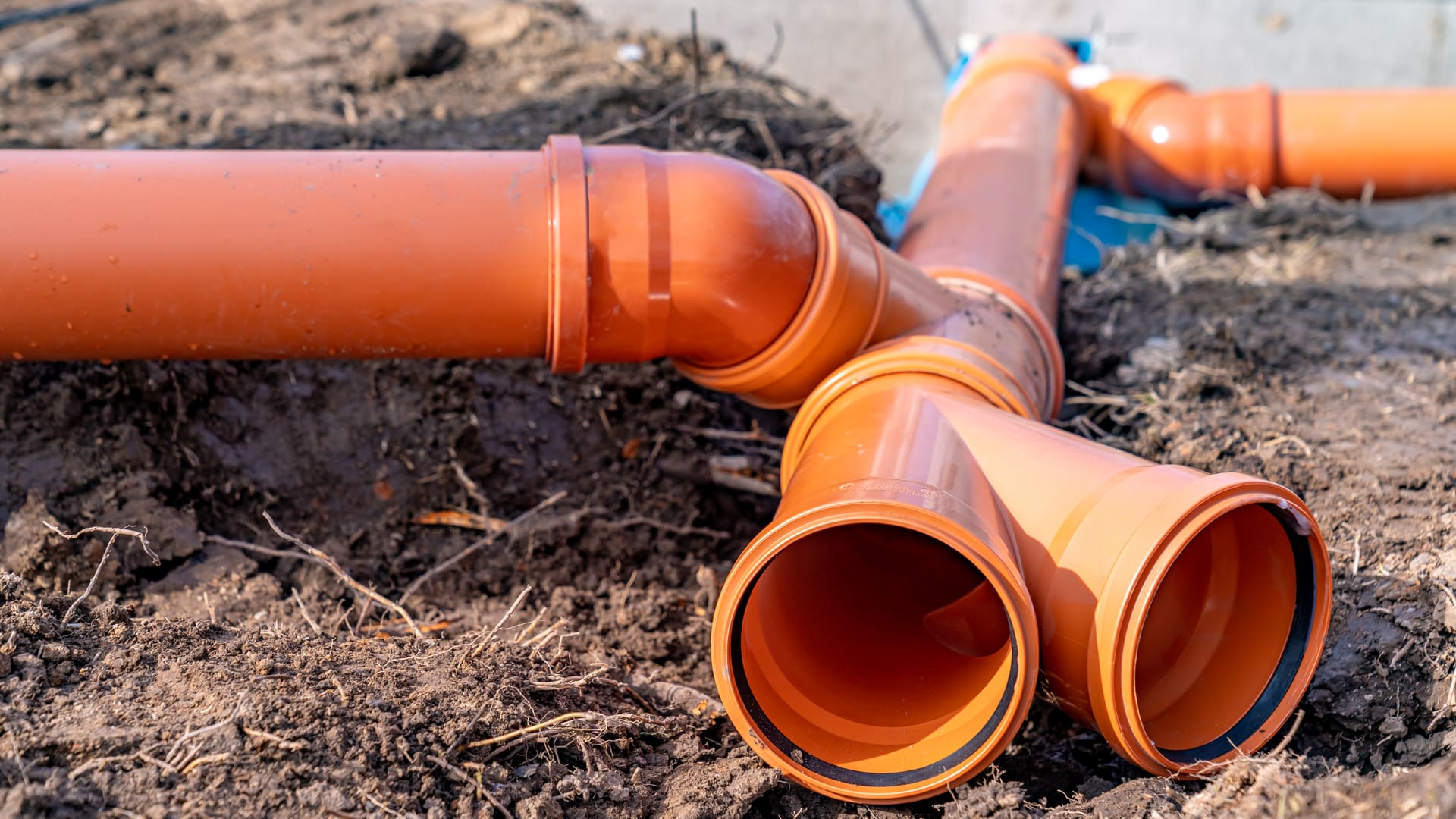
The patio is barely a year old, and a cracked pipe sits somewhere underneath it. For Drain Repairs across Surrey, London and the South East, the first question is whether that drain can be fixed from inside, and most of the time it can.
The Short Version
- Which pipe faults suit patch lining and which need excavation
- How long relining and patch repairs typically take on site
- Who is responsible for shared drains and pipes past your boundary
- Each stage of a lined repair, from camera survey to final check
- The warning signs that point to cracks, roots or a collapse
Heating Services Ltd is Gas Safe registered and has worked across the area since 2008. We carry out drain repairs throughout Surrey, London and the South East, and our drain repairs in Cheshunt follow the same camera-first approach, so nothing is dug that does not need to be.
Ask Heating Services Ltd for a written quote on your drain repair anywhere in Surrey, London and the South East before a small crack becomes a collapsed pipe.
Can a drain be repaired without digging up?
Yes, a drain can usually be repaired without digging up, using no-dig methods such as patch lining or full pipe relining, which seal cracks, displaced joints and root ingress from inside the pipe. Digging is still needed where a pipe has fully collapsed, lost its gradient, is badly misaligned, or cannot be reached from an access point.
Book a camera-led drain repair with Heating Services Ltd and find out whether your damaged pipe can be lined rather than dug up.
The common misconceptions about no-dig repair
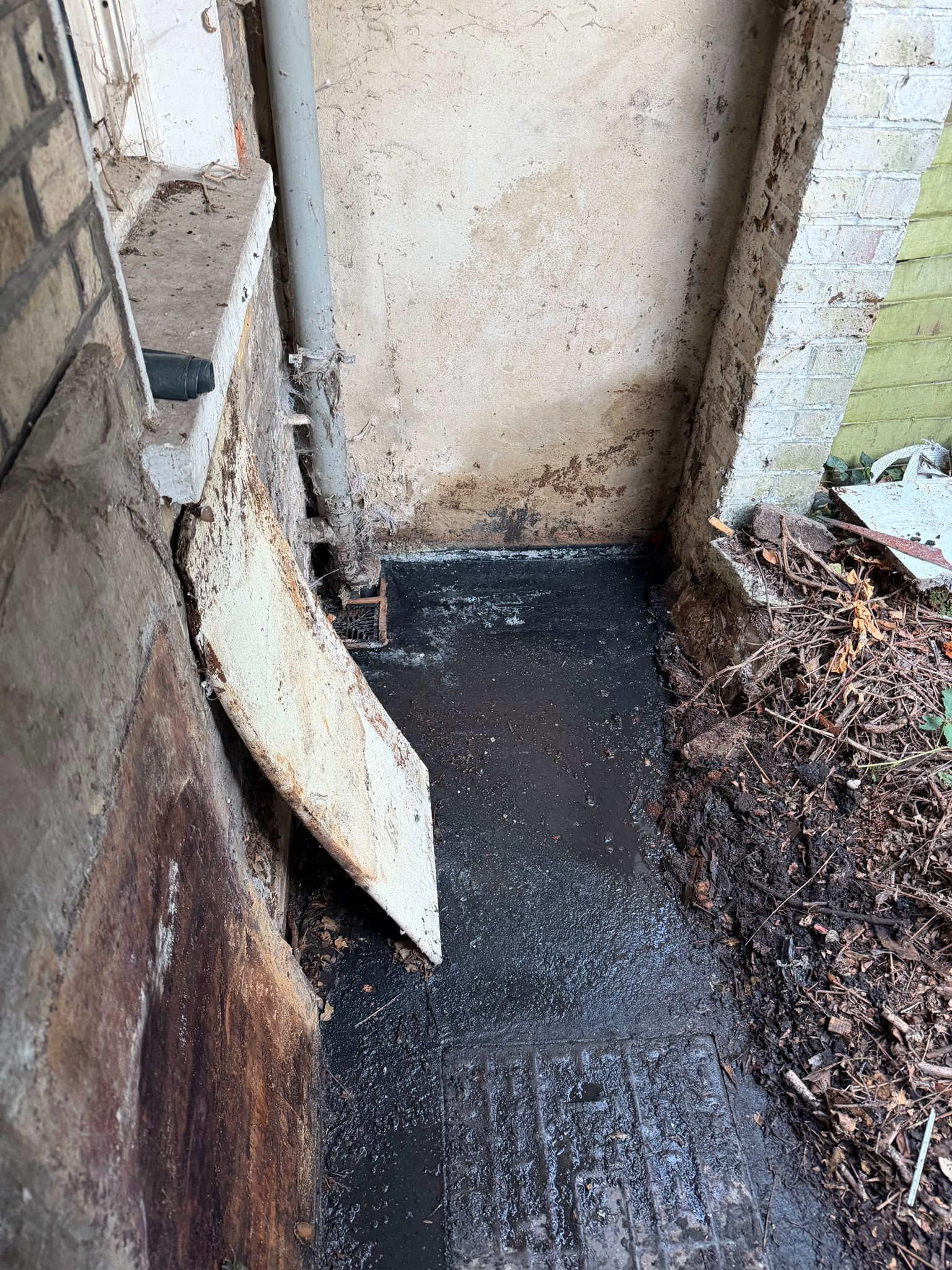
The first mistake is assuming that a drain fault always means a trench across the garden. Most defects found on a CCTV drain inspection are local: a cracked pipe, a joint that has shifted, or a short run with root incursion. These are exactly what trenchless repair was developed for. A resin-impregnated liner can restore a watertight seal across them without lifting a slab or breaking a floor.
The opposite mistake is just as common: believing lining can fix anything. It cannot. No-dig drain repair is the wrong answer when:
- The pipe has collapsed to zero bore. If there is no open channel left, nothing can be pulled or inverted through it.
- The pipe is badly deformed or misaligned. Severe ovality or a joint offset by a large step leaves a liner wrinkled or unable to pass.
- The run has sagged and lost its gradient. A liner follows the host pipe, so a belly that holds water and debris stays a belly after lining.
- There are very tight bends or changes in pipe size. Some can be lined with the right liner; some cannot.
- There is no practical access point. Without a manhole, inspection chamber or rodding eye within reach, the equipment has no way in.
A third assumption is that one method suits every job. In practice the choice sits across several options:
- Patch lining: a short liner cured over one defect, such as a single crack or open joint.
- Full pipe relining: a continuous liner from chamber to chamber, used where damage runs along the length of the pipe.
- Lateral and junction repair: specialist liners that seal where a branch joins the main run, which a standard patch does not cover.
- Pipe bursting: pulling a new pipe through the old one as it is split apart. It avoids a full trench but still needs a pit at each end.
- Excavation and replacement: digging out the failed section and installing new pipe, the only option for a collapsed or sagging run.
Finally, people expect a single price for lining a drain. The cost is set by the length of the damaged section, the pipe diameter, how many junctions must be reopened, how much cleaning and root cutting is needed first, how easy the access is, and whether any part needs excavating. Those six things move the figure far more than any average would, which is why we quote in writing only after the survey.
How long it takes and the disruption to expect
A single patch repair is usually finished in one visit, often within a few hours including cleaning and curing time. Relining a full run from one chamber to the next typically takes a day. Several runs, or a job with junctions to reopen, can take longer. Excavation is a different scale: digging, replacing the pipe, backfilling and reinstating the surface over it can run to several days.
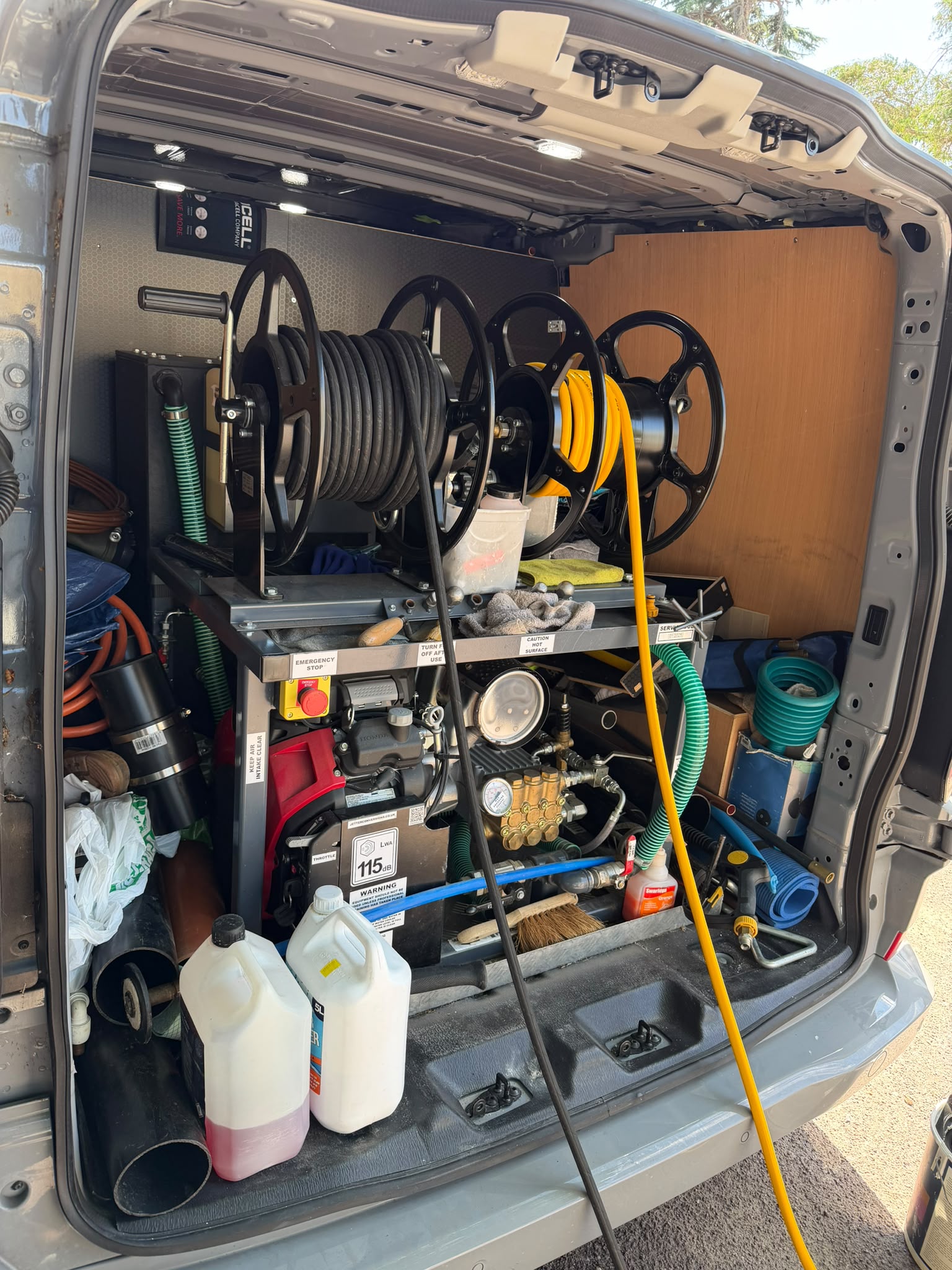
The disruption from no-dig work is minimal. Expect a van parked close to the access point, hoses run to the chamber, and some noise from jetting and cutting equipment. Nothing inside the house is lifted. The main inconvenience is that the drain is out of use while the liner cures, so you will be asked not to run taps, flush toilets or use appliances on that run for a period.
Timing also depends on getting started. Because our drainage engineers are locally based across the area, we can usually have someone with you the same day to survey the problem, so the repair is not left waiting while a damaged pipe gets worse.
The rules and safety points that apply
Drainage work in England falls under Part H of the Building Regulations, which covers how drains are laid and maintained. Like-for-like repair of an existing drain does not normally need approval, but replacing or altering a run can, and any new section has to meet the standard for gradient and materials.
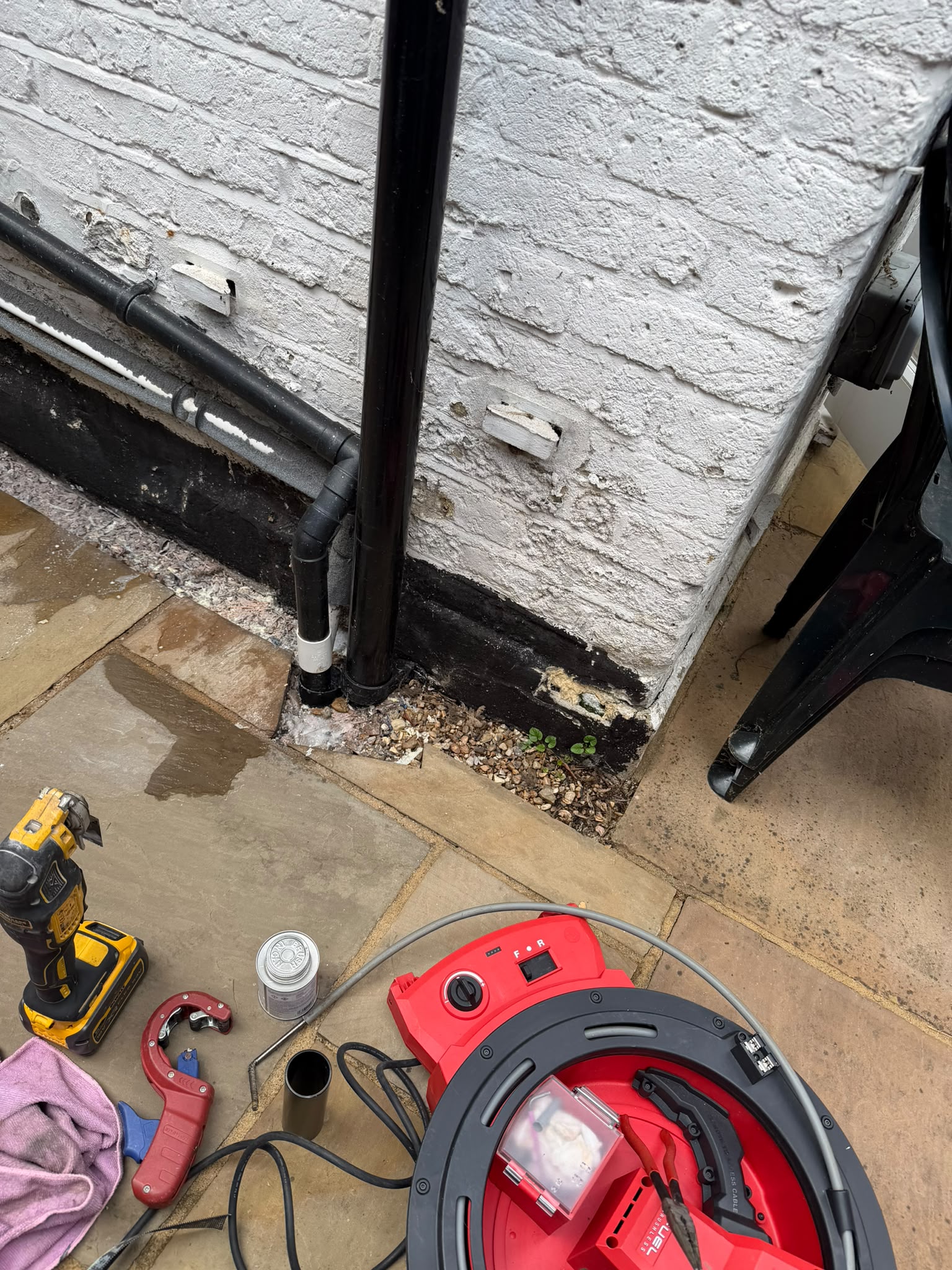
Responsibility matters before anything is repaired. The pipework serving only your property and within your boundary is usually yours. A shared drain, or a pipe once it leaves your boundary, is normally the responsibility of the local water and sewerage company. A survey shows where the fault sits, which tells you who should be paying for it.
There are safety points too. Inspection chambers can be confined spaces with poor air, resins need careful handling and ventilation while they cure, and high pressure jetting is not something to improvise with garden equipment. If you are claiming on buildings insurance, insurers generally want CCTV footage of the defect before work and proof of the repair afterwards.
How a no-dig drain repair works, step by step
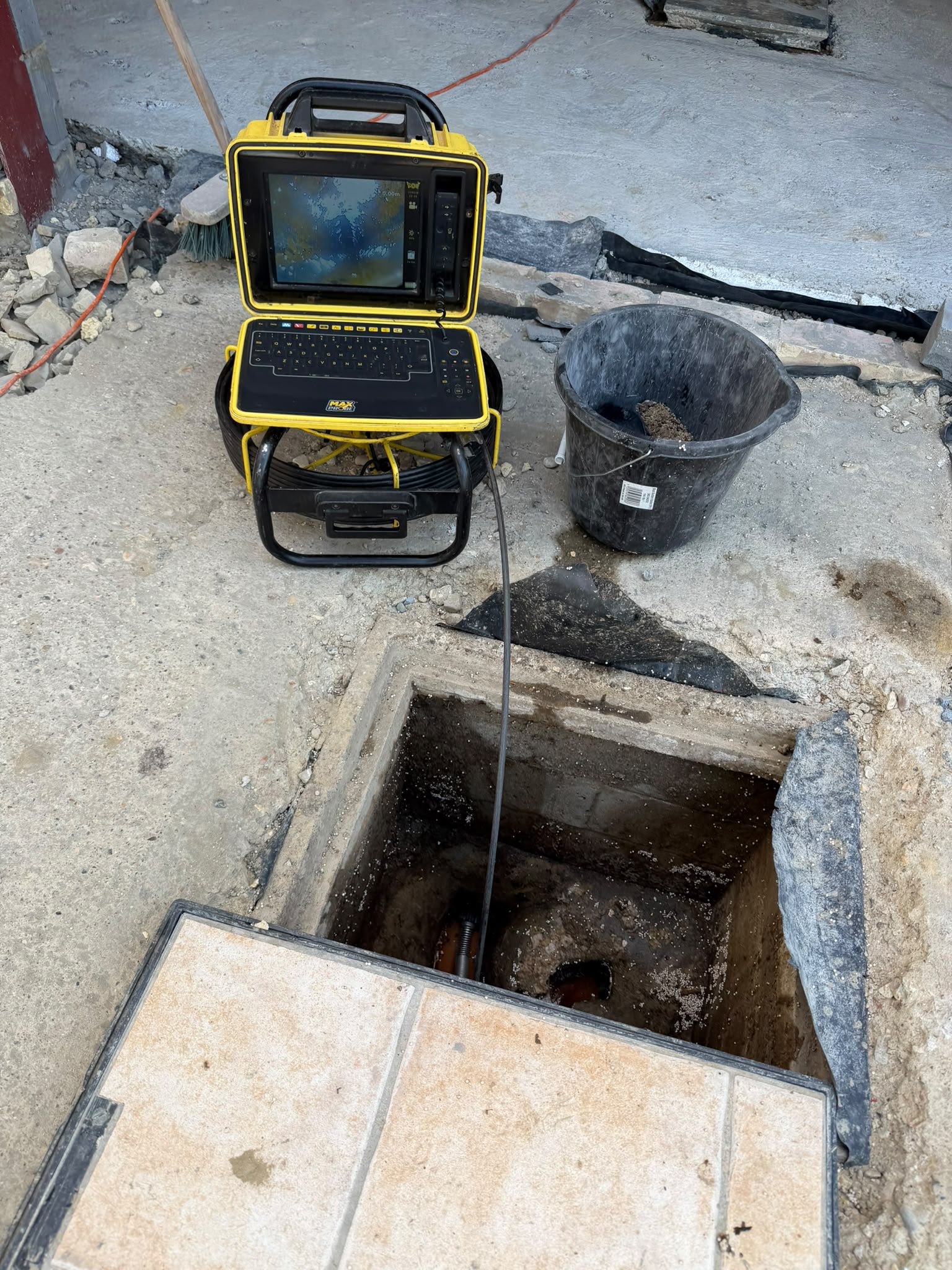
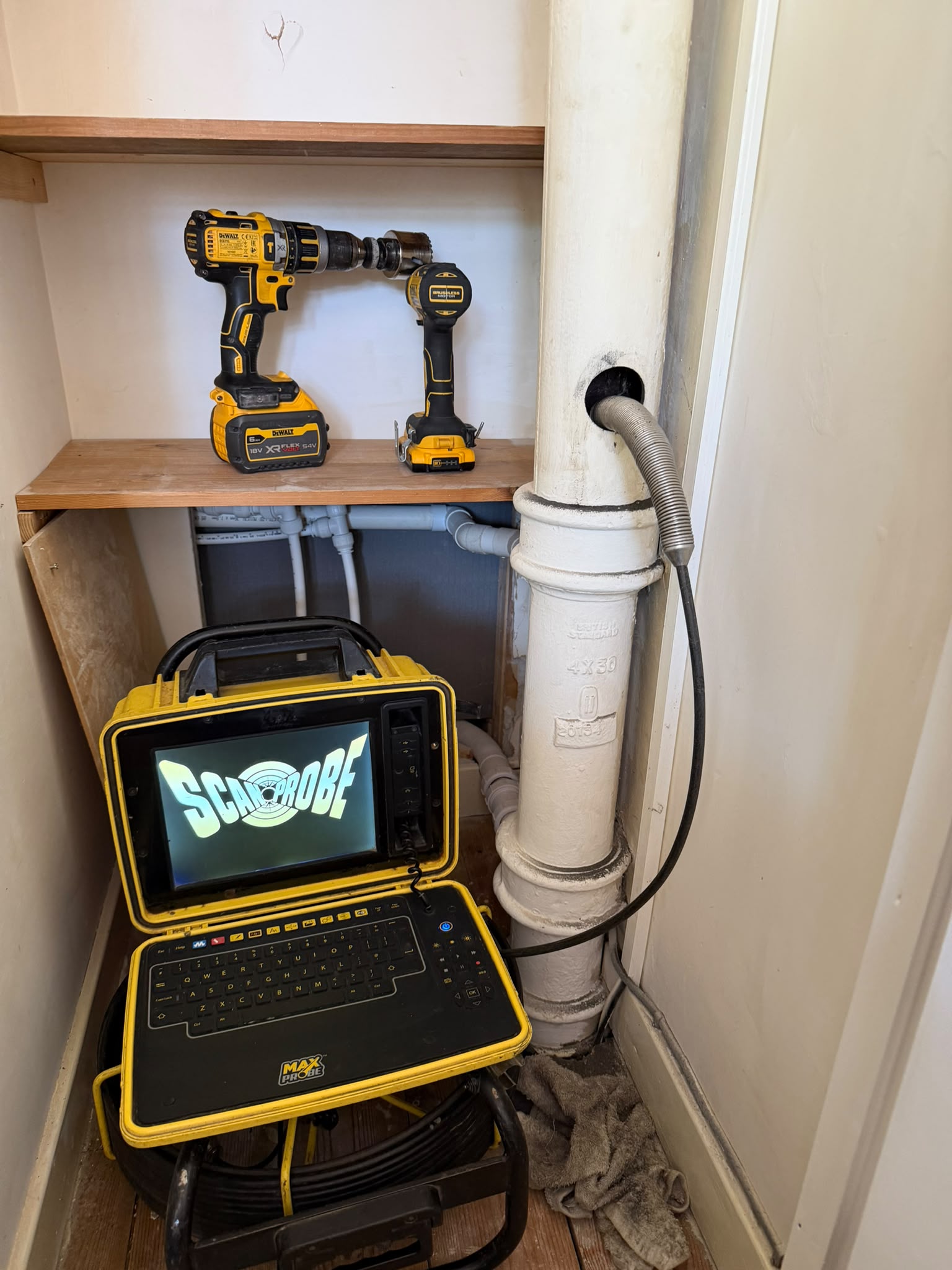
Survey first. A CCTV camera is run through the drain to record the defect, its exact position and the condition of the pipe either side. Sonar pipe location traces the line and depth from the surface, so the fault can be marked precisely.
Clean the pipe. The run is jetted to remove scale, fat and any drain blockage. Roots are cut back flush with the pipe wall. A liner bonded onto debris will fail, so this step is never skipped.
Measure and prepare the liner. The length and diameter are confirmed from the footage. The liner is cut to size and impregnated with resin on site.
Insert and position it. For a patch, the liner is wrapped around an inflatable packer and pushed to the defect on rods while the camera watches. For full relining, the liner is inverted or pulled through from one chamber to the next.
Cure it in place. The packer or liner is inflated so the resin presses hard against the old pipe wall, then left to harden. Once cured it forms a new, jointless pipe inside the damaged one.
Reopen junctions and verify. Any branch connections covered by a full liner are reopened with a remote cutter. A final CCTV inspection confirms the seal and the flow, and gives you a record of the finished repair.
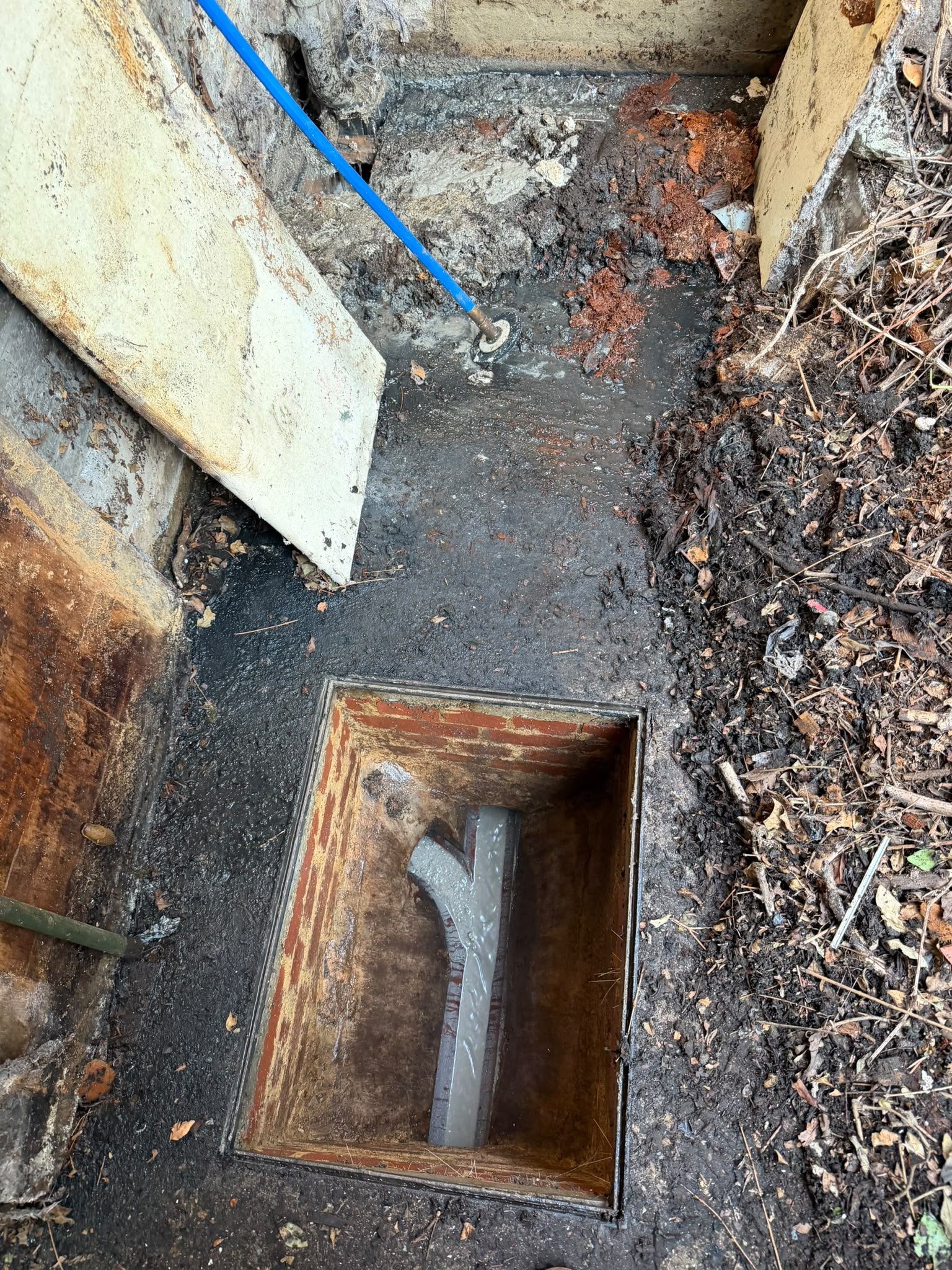
The signs that tell you where your drain stands
Some symptoms point to a defect that lining handles well. Others suggest the pipe is beyond it. Watch for:
- A recurring blocked drain on the same run. Often a displaced joint or root ingress catching debris, usually suitable for a patch.
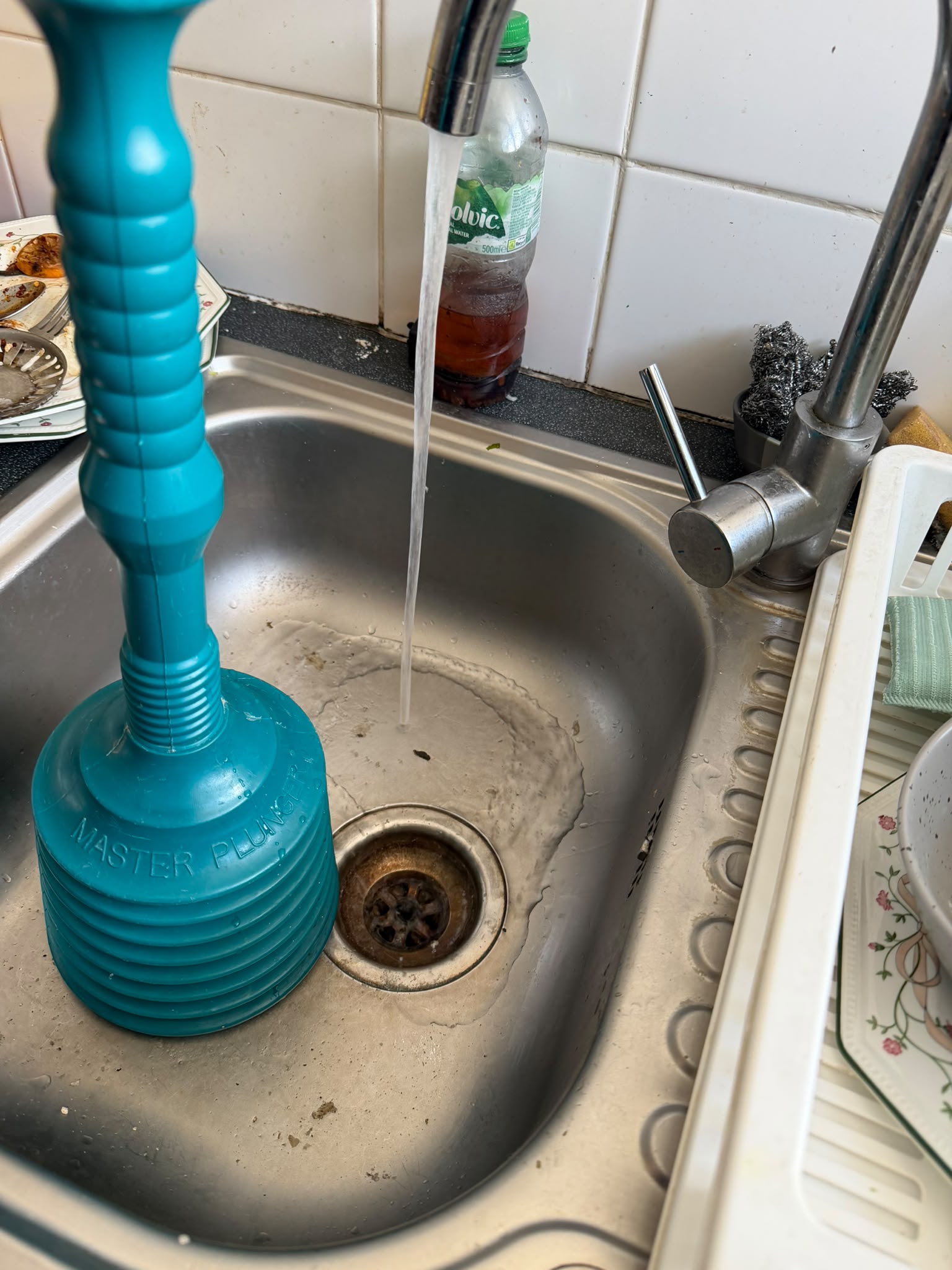
- Slow draining and gurgling. Can mean a partial obstruction, or a sag holding water.
- Persistent smells outside. Frequently a cracked pipe letting gas escape.
- Damp patches, sinking paving or small hollows. Water leaking from a damaged pipe and washing soil away, which can point to more serious failure.
- Roots visible in a chamber, or rats around the garden. Both suggest openings in the pipe.
- Water that will not drain at all. A possible collapse, which may mean excavation.
Signs only narrow it down. The camera decides. David heads a team of local expert drainage engineers who will show you the footage, explain which method suits your pipe and why, and handle the installation of new pipework where a section genuinely has to be dug out and replaced.
Book a camera-led drain repair with Heating Services Ltd and find out whether your damaged pipe can be lined rather than dug up.