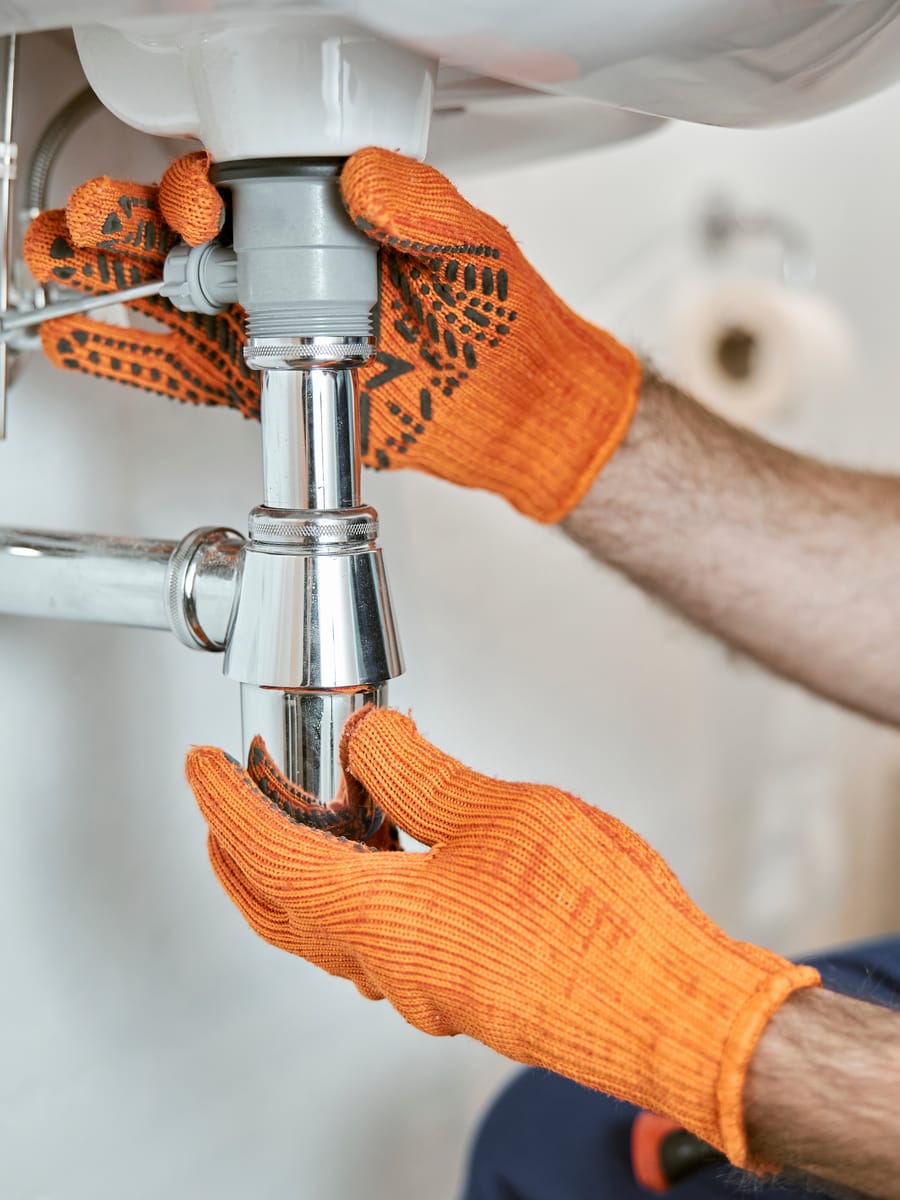
Water is coming from somewhere it should not, and the first question most homeowners ask is whether the insurance will pay to find it.
At a Glance
- Most buildings policies that include escape of water also include trace and access, the cover that pays for locating and reaching a hidden leak.
- Trace and access usually carries its own limit, separate from the cover for the water damage itself.
- Non-invasive methods such as thermal imaging, acoustic listening and tracer gas keep the claim inside that limit.
- The failed pipe or fitting itself, and long running gradual seepage, are commonly excluded.
- A documented survey naming the method, location and cause is what turns a disputed leak into a paid claim.
Established in 2008, Heating Services Ltd fields its own locally based Gas Safe registered engineers rather than subcontractors, with up to a 10-year guarantee on qualifying work and many five-star reviews on the widget. Whether you need water leak detection or water leak detection in Cheshunt, we cover the whole area.
Call Heating Services Ltd and describe what you are seeing, and we will usually have someone out to trace it the same day.
Does home insurance cover leak detection?
In most cases yes. Buildings insurance policies that include escape of water usually cover the cost of finding and accessing the leak, a benefit often called trace and access, alongside repairing the damage it caused. Cover levels and limits vary between insurers, so the policy wording decides what is actually paid.
Tell Heating Services Ltd where the water is showing and we will trace it, document it for your insurer and repair it, usually starting the same day you call.
Trace and access is the part of the policy that pays for finding a leak
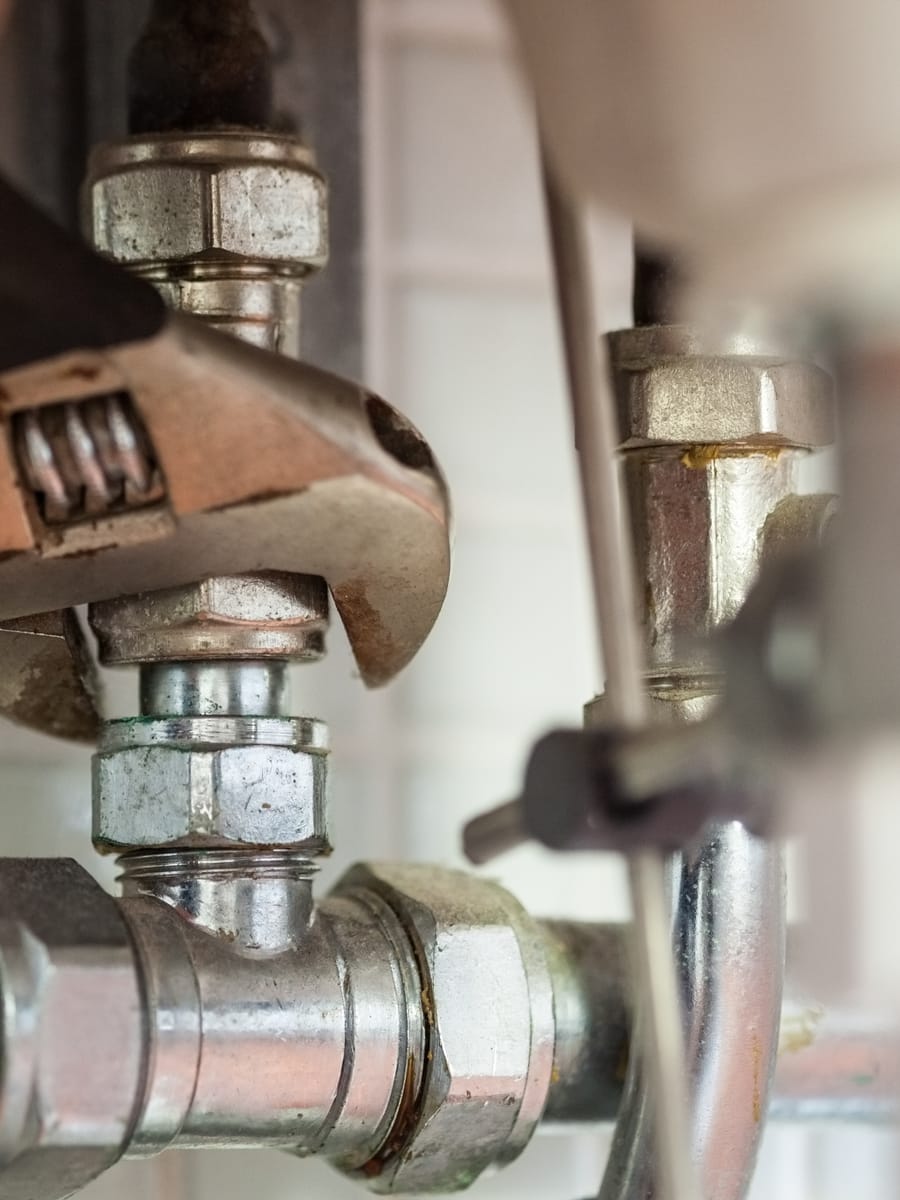
Trace and access is the wording to look for on a buildings policy. It is the cover that pays for the work of locating a hidden leak and getting to it, including lifting flooring, cutting into a wall or taking up a section of screed over pipework. Many policies also pay to put that back afterwards, which matters far more than people expect once tiles or engineered boards are involved.
The important detail is that trace and access is usually a separate limit from the main escape of water cover. A policy might pay a generous sum for repairing a soaked kitchen and a much smaller capped amount for the detection work itself. That is why insurers are keen for a non-invasive survey to be carried out: thermal imaging, acoustic listening and tracer gas find the leak without demolishing half a room, so the claim stays inside the limit and the repair stays small.
Because the engineers are locally based rather than crossing the county to reach a job, someone can usually be with you the same day you call, which is exactly what an insurer wants to see when water is still running. Whether you need water leak detection or leak detection services Staines-upon-Thames, we cover the whole area, and the survey is documented the same way wherever the property is.
What insurers usually pay for and what they usually will not
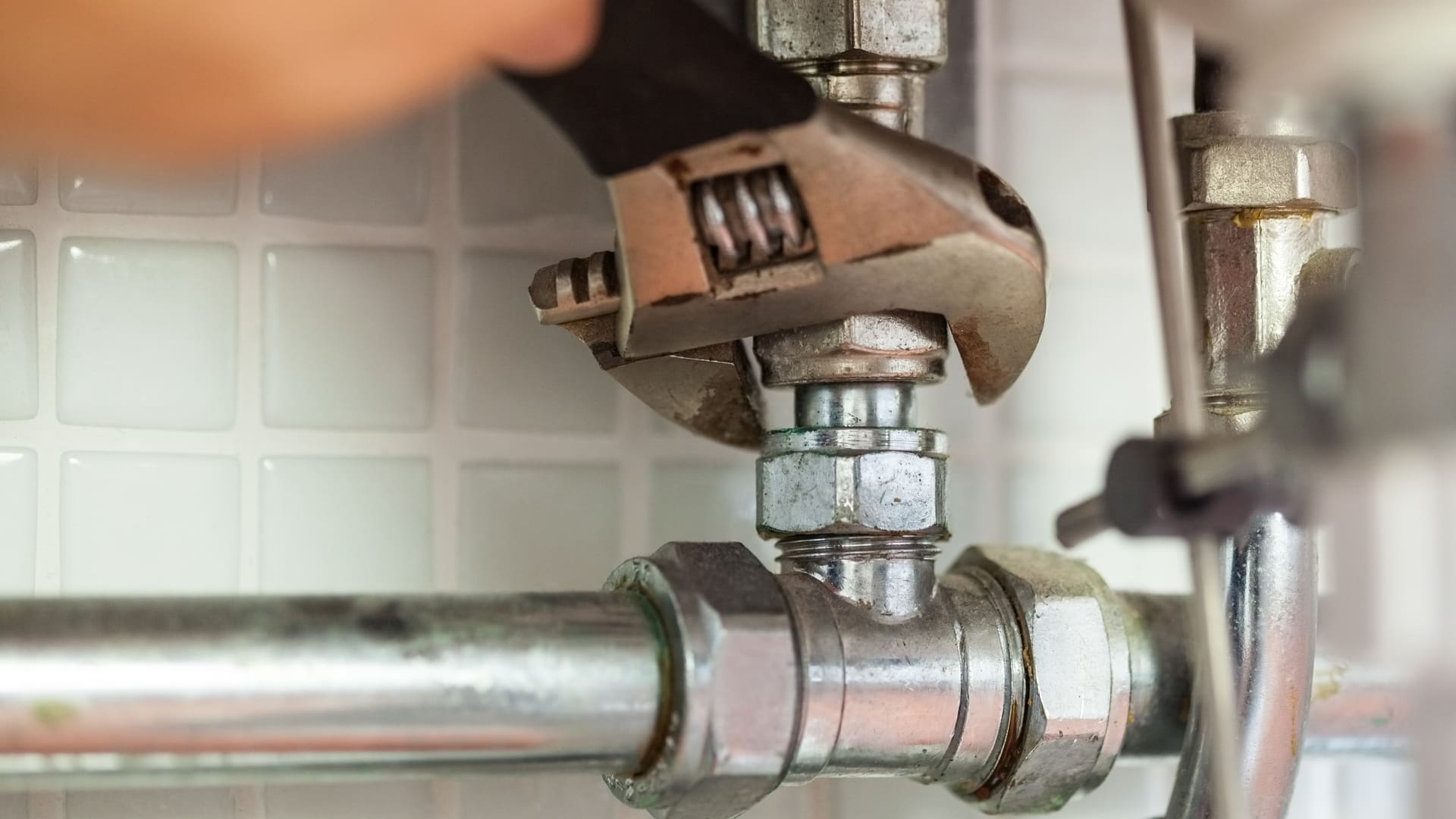
Escape of water claims are among the most common domestic claims there are, and insurers handle them constantly. The pattern of what they accept is fairly consistent across the market.
- Usually covered: sudden escape of water from plumbing, heating pipework, a cylinder or a fixed appliance, the damage caused to floors, ceilings, walls and decoration, and the trace and access work needed to pin the leak down.
- Usually covered under trace and access: the survey, the opening up of the structure, and reinstatement of what was opened.
- Often excluded: the replacement of the failed pipe or fitting itself, which many policies treat as maintenance rather than damage.
- Often excluded: gradual seepage that has been happening for months, particularly where there were visible signs that went ignored.
- Often excluded: leaks in an unoccupied property outside the policy's unoccupancy conditions, and water lost through a leaking shower tray or failed grout or sealant, which is treated as a wear issue.
- Check carefully: underground supply pipes and external drainage, which sit under different sections of many policies and sometimes fall to the water company instead.
None of that should put anyone off claiming. It simply means the strength of a claim rests on evidence: a clear account of when the problem was noticed, what was done about it, and a technical report showing where the water was escaping and why. Whether you need water leak detection or leak detection in Wood Green, we cover the whole area, and the report reads the same for a loss adjuster either way.

How a professional survey supports the claim
Insurers rarely take a homeowner's word on a hidden leak, and they are right not to. A wet patch on a ceiling can come from a heating return, a mains supply, a soil stack, a shower waste or a roof, and each of those sits in a different part of the policy. A proper survey removes the guesswork.
The methods used depend on what the evidence points to. Thermal imaging picks up temperature differences where warm water is tracking under a floor. Acoustic equipment listens for pressurised water escaping through a joint. Tracer gas is introduced into an isolated pipe and detected where it surfaces. Sonar and CCVT inspection have their place on drainage runs and buried services. Pressure testing across isolated circuits confirms whether a heating system is losing water and roughly where. Used together, they identify a leak to a small area rather than a general direction.
What the insurer receives is a written finding: the method used, the location, the likely cause and the access required to reach it. That is the document that turns an argument into a settlement. David heads a team of expert leak detection engineers across Surrey, London and the South East, all Gas Safe registered where gas appliances and heating systems are involved, so the report carries weight with an adjuster. The same team handles leak detection alongside the pipework repair that follows, so nobody is left holding a survey with no one to act on it.
Detection and repair belong together. Once a leak is located, isolating and remaking the pipework, replacing a failed section, refilling and rebalancing a heating system, or fitting a new cylinder connection is straightforward work for an engineer who was standing there when the leak was found. On new installations the same principle applies in reverse: pipework installed and pressure tested properly is what stops the next claim happening. Across Oxted and the surrounding RH8 area and far beyond it, that combination of finding and fixing is what keeps a small leak from becoming a rebuilt kitchen.
Tell Heating Services Ltd where the water is showing and we will trace it, document it for your insurer and repair it, usually starting the same day you call.
Sensible steps to take before you phone the insurer
Twenty one years in the trade teaches you that the first hour of a leak decides the size of the claim. A few practical moves protect both the property and the policy.
Turn the water off at the stop tap if the escape is on the supply, and shut down the heating and drain to the affected circuit if it is a heating leak. Photograph everything before you move furniture or lift a carpet, including the meter reading if it is spinning with everything closed. Keep damaged items rather than skipping them, because an adjuster may want to see them. Do not start cutting into floors or chasing walls yourself: unnecessary damage caused by well meant investigation can be argued out of a settlement, and it makes the eventual detection harder.
Then read the policy schedule for the escape of water section and the trace and access limit, and notify the insurer promptly. Most policies require notification without unreasonable delay, and a late call is one of the few things that genuinely puts cover at risk. Ask whether the insurer wants to appoint its own contractor or is happy for you to instruct your own; many are content with an independent survey provided it is properly documented, and a homeowner arranging their own detection often gets the leak stopped days earlier.
Get in touch as soon as you suspect water where it should not be, and there is usually an engineer who can be out to you the same day to find it, whether that ends up as an insurance claim or a straightforward repair. Guidance from the Chartered Institute of Plumbing and Heating Engineering makes the same point about acting on plumbing faults early rather than letting them run.
Tell Heating Services Ltd where the water is showing and we will trace it, document it for your insurer and repair it, usually starting the same day you call.