You want to know what is wrong under the ground and how much of your day finding out will take. Our CCTV Drain Surveys across Surrey, London and the South East put a camera through every run, record what it sees and give you footage you can watch yourself, with no digging.
The Short Version
- Typical on-site times for houses, larger homes and commercial sites
- Why the written report arrives after the engineer has left
- Five assumptions that make people misjudge how long a survey lasts
- When pre-survey jetting is needed before the camera goes in
- Each step of a survey from locating chambers to drain mapping
- Which symptoms point to a quick visit and which to a longer one
Heating Services Ltd is Gas Safe registered and has been working across the area since 2008, with its own locally based engineers. From CCTV drain surveys across the region to drainage work for households in Cheshunt, we cover the whole area.
Get in touch with Heating Services Ltd to book a survey anywhere in Surrey, London and the South East and see your drains for yourself.
How long does a CCTV drain survey take?
A CCTV drain survey on a typical house with one or two straightforward pipe runs usually takes around one to two hours on site, while larger properties, complex layouts or commercial sites can take half a day or longer. Blockages, awkward access and pre-survey jetting add time, and the written report follows separately after the visit.
Book a CCTV drain survey with Heating Services Ltd and find out exactly what is happening below ground before any repair work is planned.
Common assumptions that throw the timing out
Most surprises about survey length come from a few beliefs about how the job works. These are the ones we hear most often.
- The camera is in and out in minutes. The waterproof inspection camera travels slowly so the engineer can stop at every joint, crack and connection, record it and note how far along the pipe it sits.
- One survey covers the whole system in one pass. Each pipe run is surveyed separately, usually from its own inspection chamber. Three runs take noticeably longer than one.
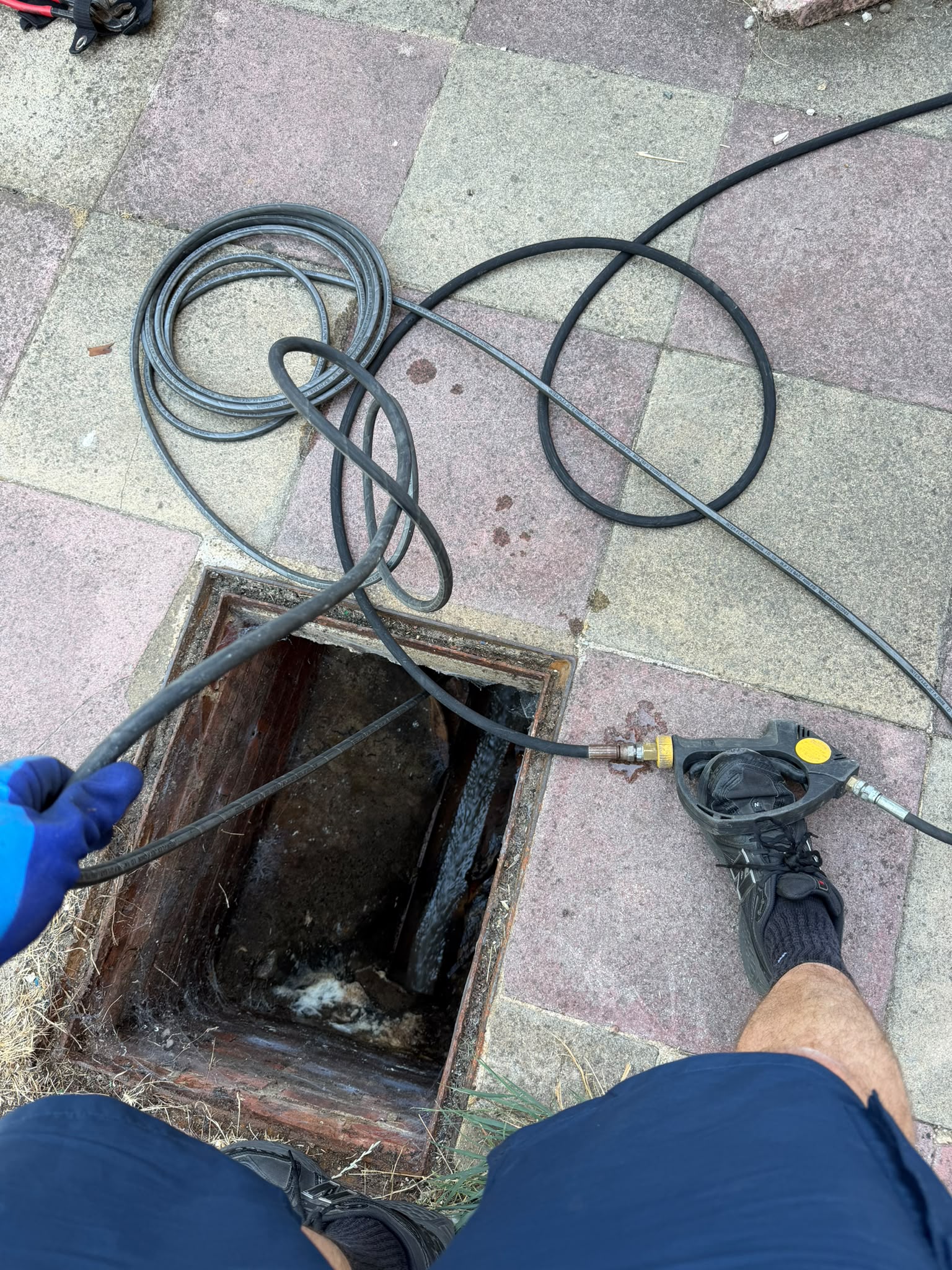
- A blocked drain can be filmed as it is. Standing water, silt and debris hide the pipe wall. If the line is full, it often needs pre-survey jetting before the camera can show anything useful.
- The report is ready as the engineer leaves. The recorded video footage has to be reviewed, condition ratings applied and annotated diagrams drawn up. That happens after the visit.
- The survey fixes the problem. It finds and records faults. Clearing or repairing them is separate work, planned once you know what is down there.
Time on site and the disruption to expect
As a rough guide to how long the visit itself lasts:
- A typical house with a short run to the main sewer: around one to two hours.
- A larger home with several runs, extensions or shared drainage: often half a day.
- Commercial and hospitality sites with long runs, many chambers or grease build-up: a full day or more, sometimes planned in stages around trading hours.
- A build over survey before an extension: usually focused on one section of pipe, so often at the shorter end.
- A pre-purchase survey: similar to a standard domestic visit unless the camera finds trouble worth following.
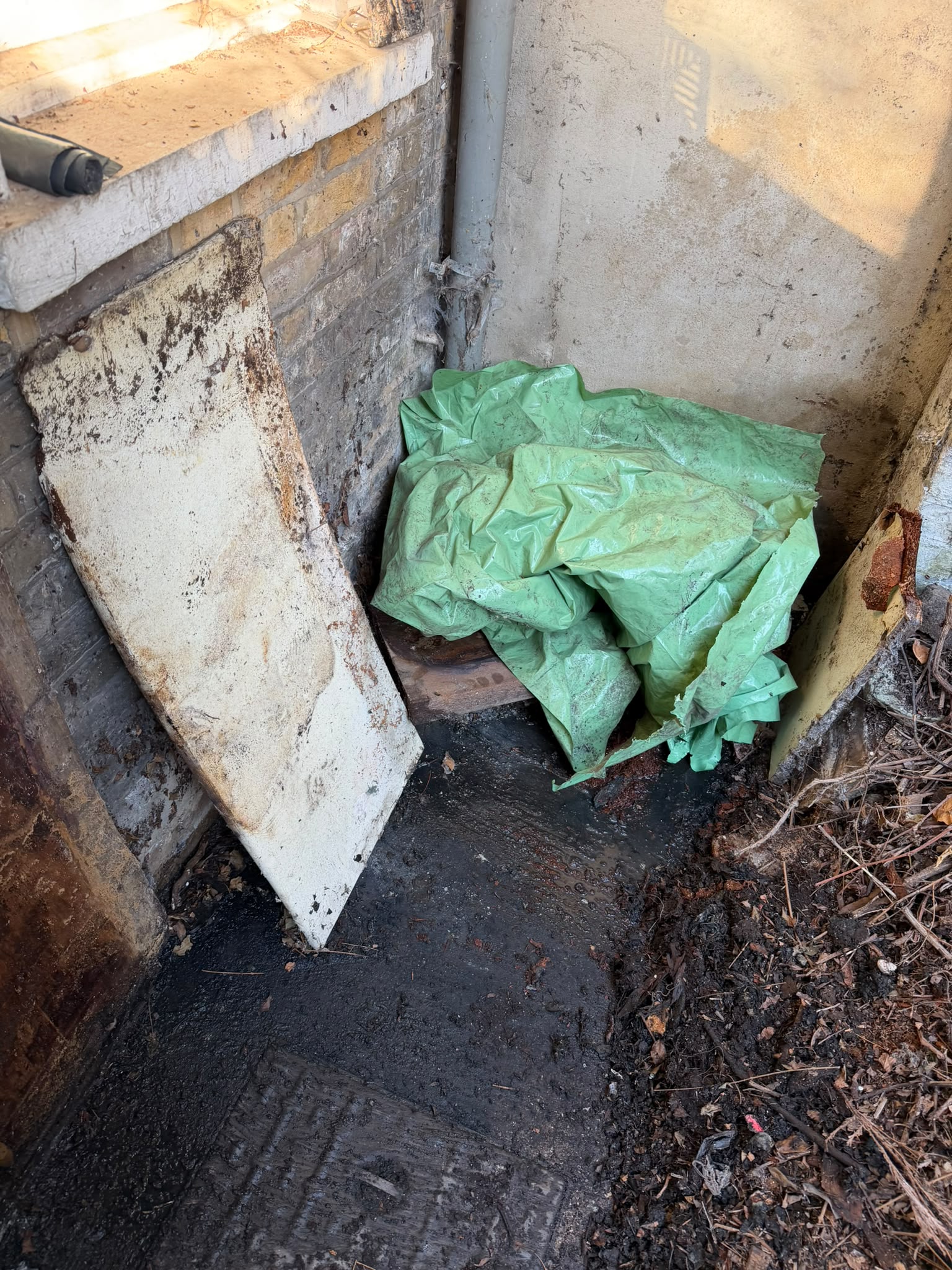
Disruption is light. The work is non-invasive, so there is no digging and floors and driveways stay as they are. We need clear access to the inspection chambers, and we may ask you to hold off running water or flushing while a run is being filmed. If a chamber is buried under paving or gravel, finding it adds time before the camera goes in.
How a survey runs from arrival to report
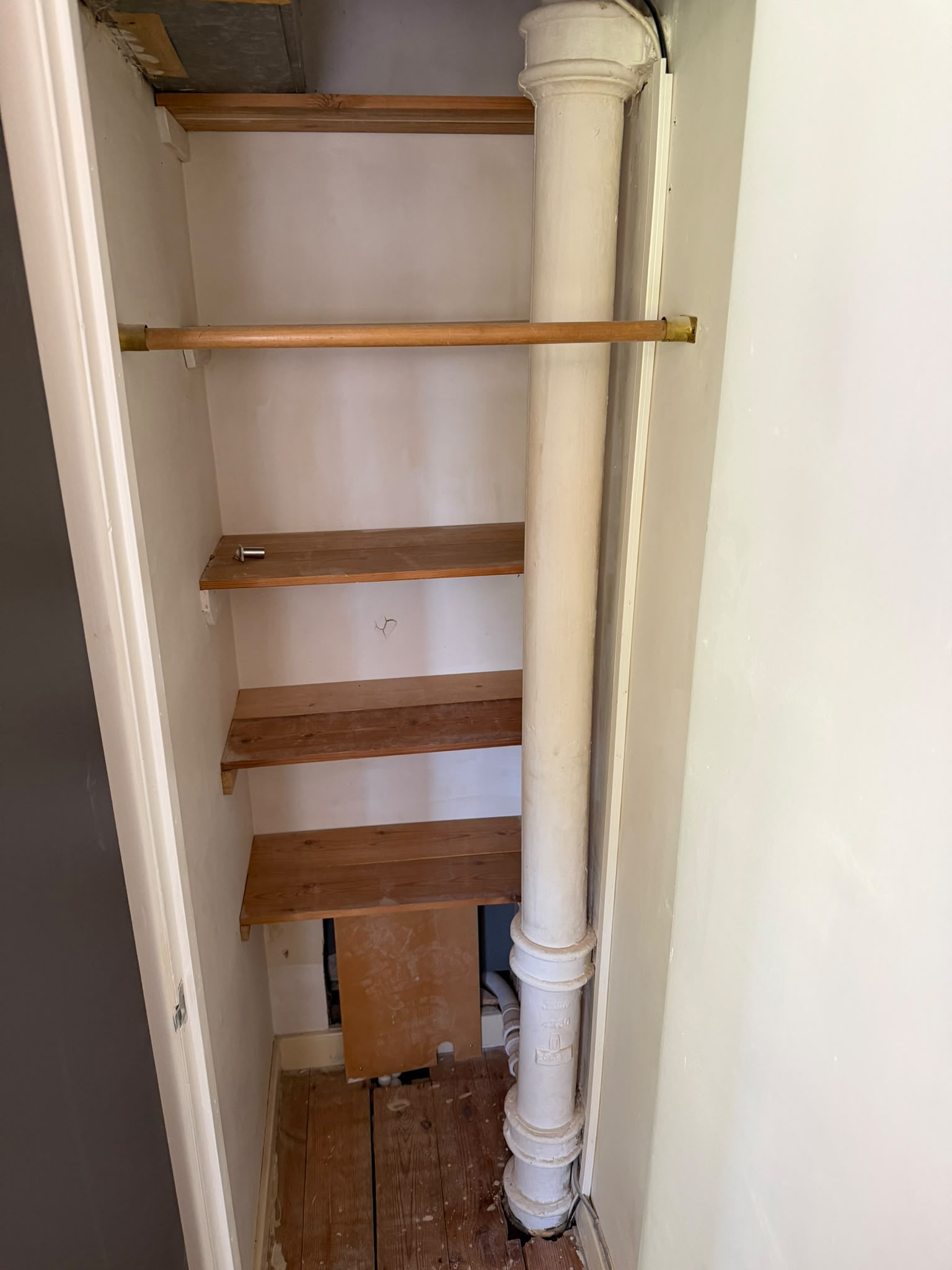
- We locate the inspection chambers and agree which pipe runs need filming.
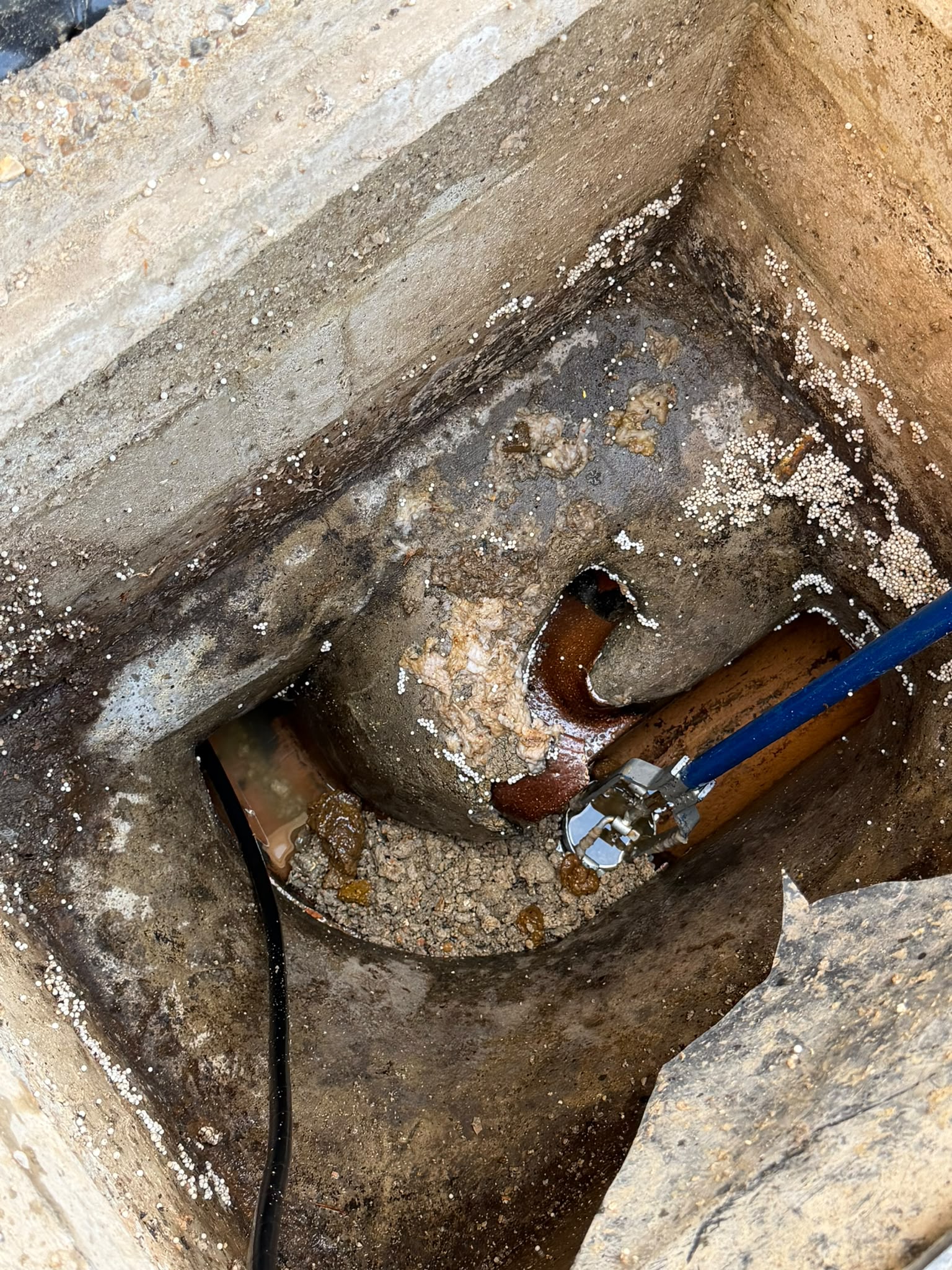
- We check the flow. If the line is blocked or heavily silted, we jet it first so the pipe wall is visible.
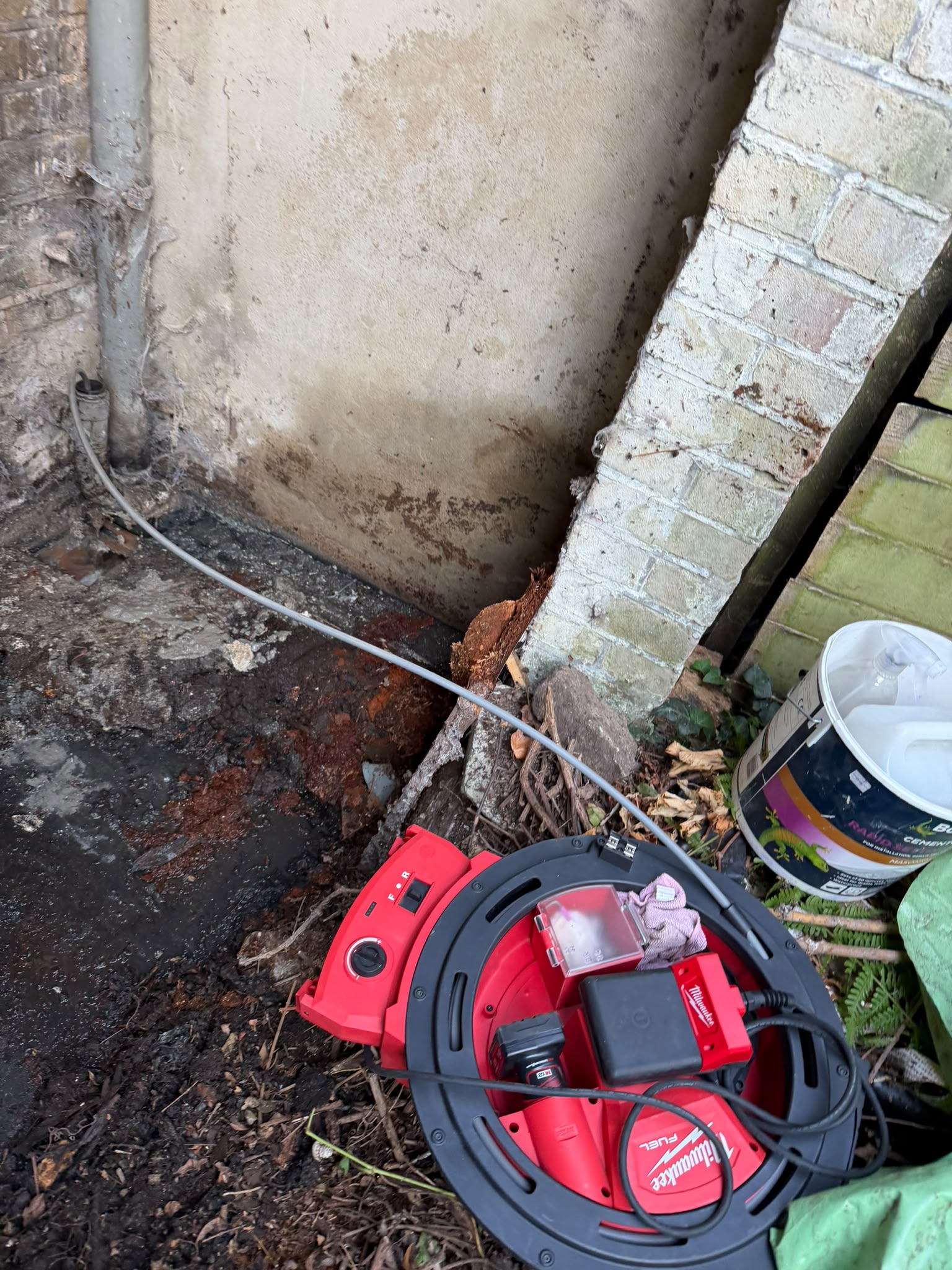
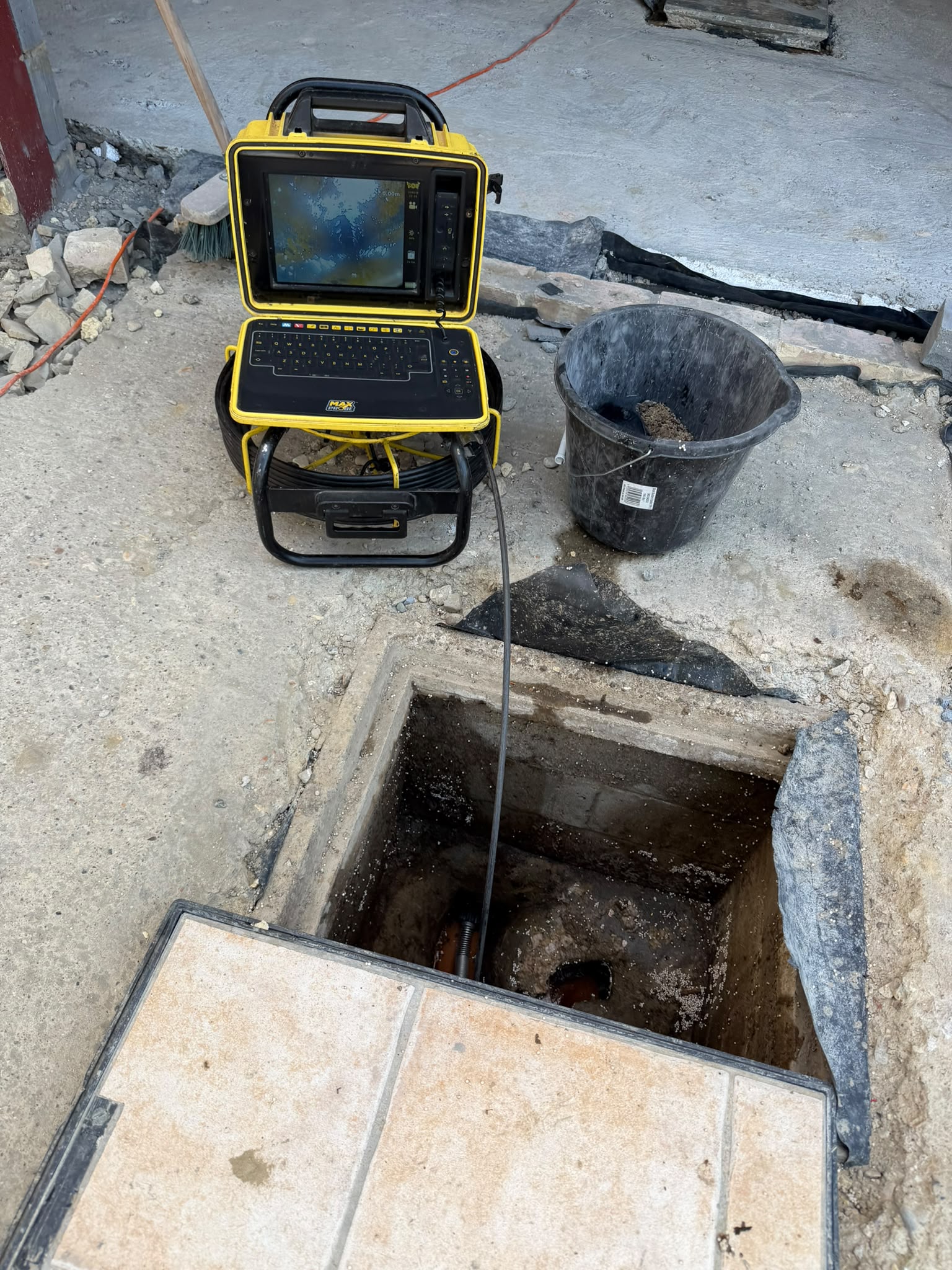
- The camera goes in and is pushed or driven along each run, filming continuously.
- The engineer records every defect, its position and its distance from the chamber, including blockages, root damage, cracks, displaced joints and collapsed pipes.
- Sonar pipe location traces the route on the surface, so the drain mapping shows exactly where each fault sits under your garden or building.
- Before leaving, the engineer talks you through what the footage showed.
- The report follows, with the footage, condition ratings, annotated diagrams and what we recommend doing next.
Signs that tell you how long your survey may take
What you are seeing at home is a fair clue to whether yours will be a quick visit or a longer one.
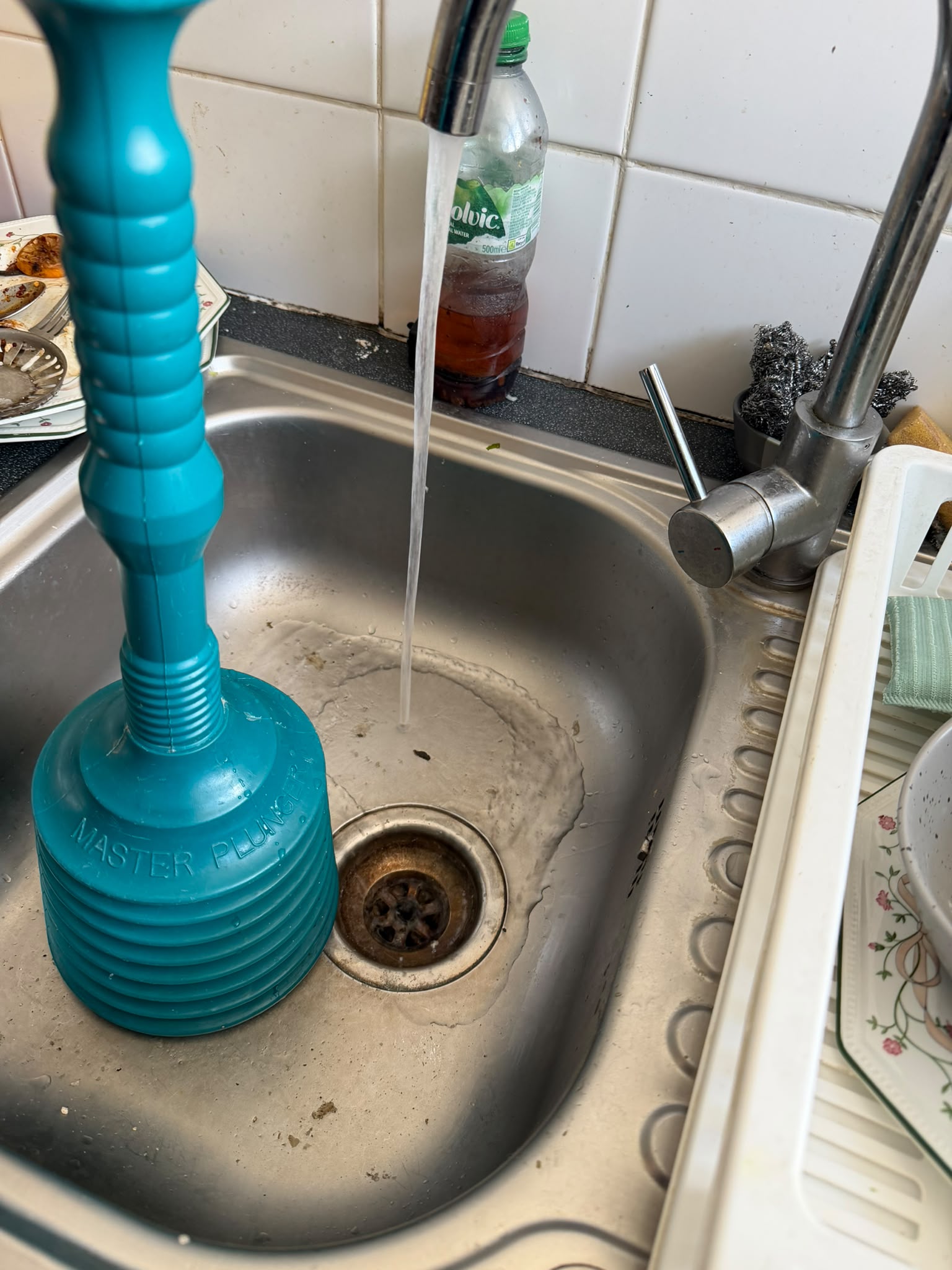
- Slow draining or gurgling: often a partial blockage, so jetting may come before the camera.
- Blockages that keep coming back: a sign of roots or displaced joints, which take careful filming along the whole length.
- Sewage smells, damp patches or sinking ground near a drain: possible collapsed pipes, which need slow, detailed inspection.
- No obvious inspection chamber: tracing the underground drainage system adds time at the start.
- No symptoms at all, just a purchase or an extension: usually a routine, shorter survey.
If the survey does turn up a fault, the footage tells you whether the answer is cleaning or a drain repair, and nobody is guessing. If you are searching for a drain survey near you anywhere across Surrey, London and the South East, we have expert drainage engineers local to you who can talk through what your symptoms suggest before they arrive.
Book a CCTV drain survey with Heating Services Ltd and find out exactly what is happening below ground before any repair work is planned.