Underfloor heating gets sold as a system you fit once and forget, and for the buried pipework that is broadly true. The parts that fail are the ones you can still reach.
Summary
- Wet underfloor pipework is realistically a 50 year component.
- Electric underfloor mats typically give 20 to 30 years of service.
- Pumps last around 10 to 15 years, actuators around 8 to 12.
- Early failures are usually installation damage or untreated water.
- Inhibitor, filters and balanced loops add years to any system.
- A leaking loop is traced and repaired, not replaced wholesale.
Established in 2008, Heating Services Ltd is led by David, who has over 21 years' experience in the trade and heads a team of locally based Gas Safe registered engineers working across Surrey, London and the South East. If you need underfloor heating in Morden, we cover the whole area, and you can see the many five-star reviews in the widget on this page.
Call now about a cold floor, a failed actuator or a new system, and there is usually an engineer who can be with you today.
What is the lifespan of underfloor heating?
A well installed wet underfloor heating system should last around 50 years, because the pipework buried in the floor is the part that barely ages. Electric mats typically run for 20 to 30 years. What fails first is the kit you can actually reach: the pump, the manifold actuators, the wiring centre and the thermostats.
Tell us what your floor is doing, or not doing, and Heating Services Ltd will get a local engineer out to diagnose it, usually the same day.
The buried pipework outlives almost everything else in the house
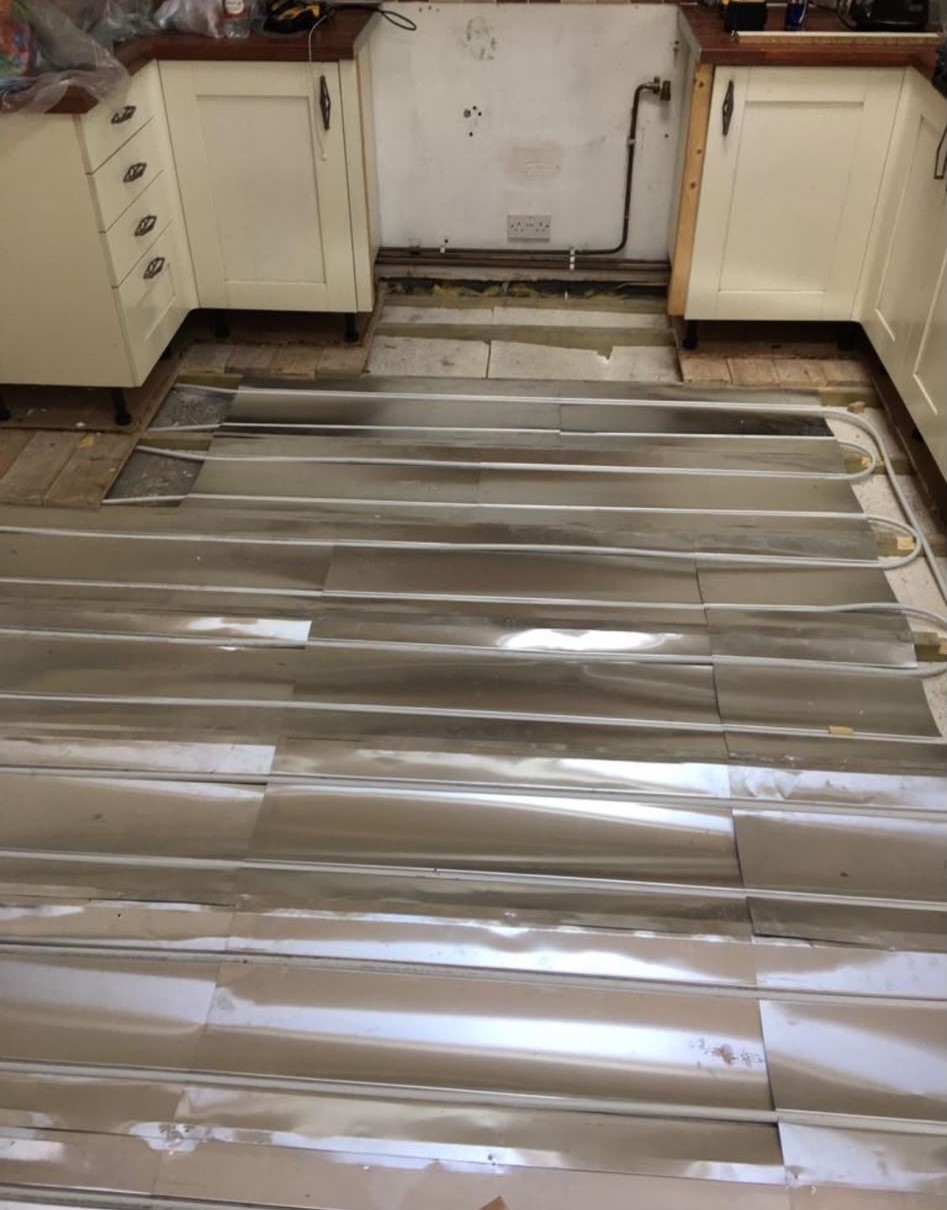
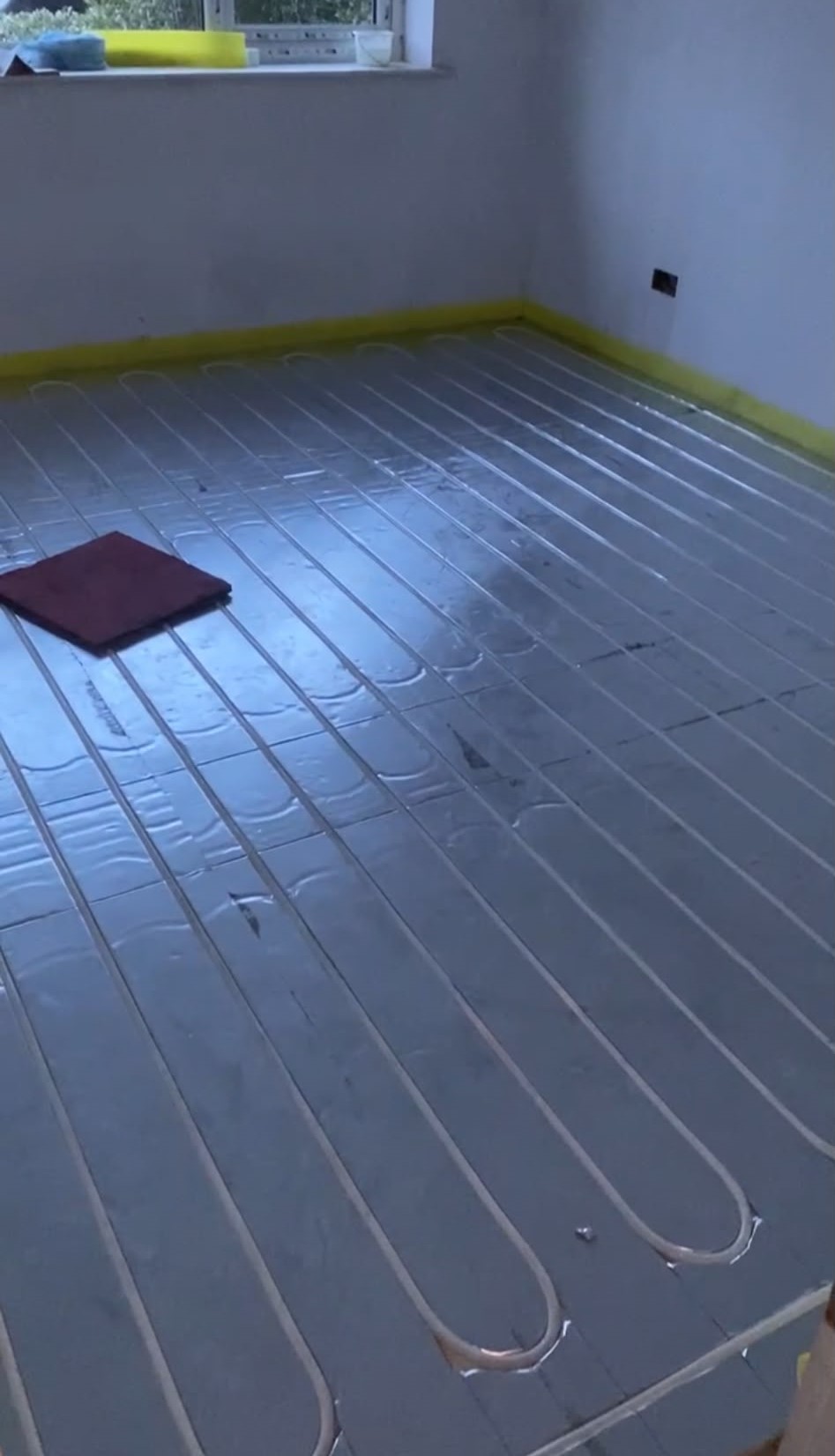
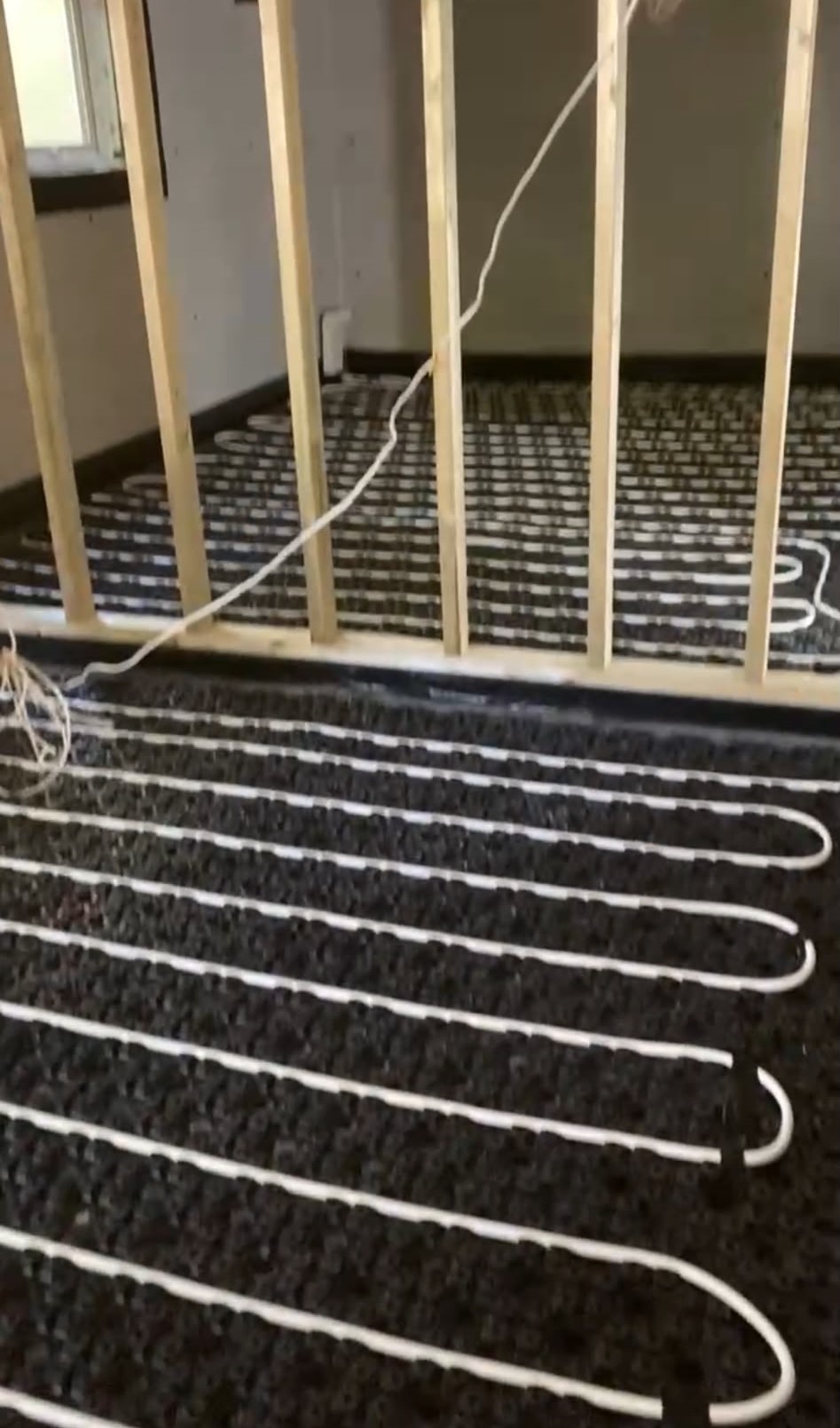
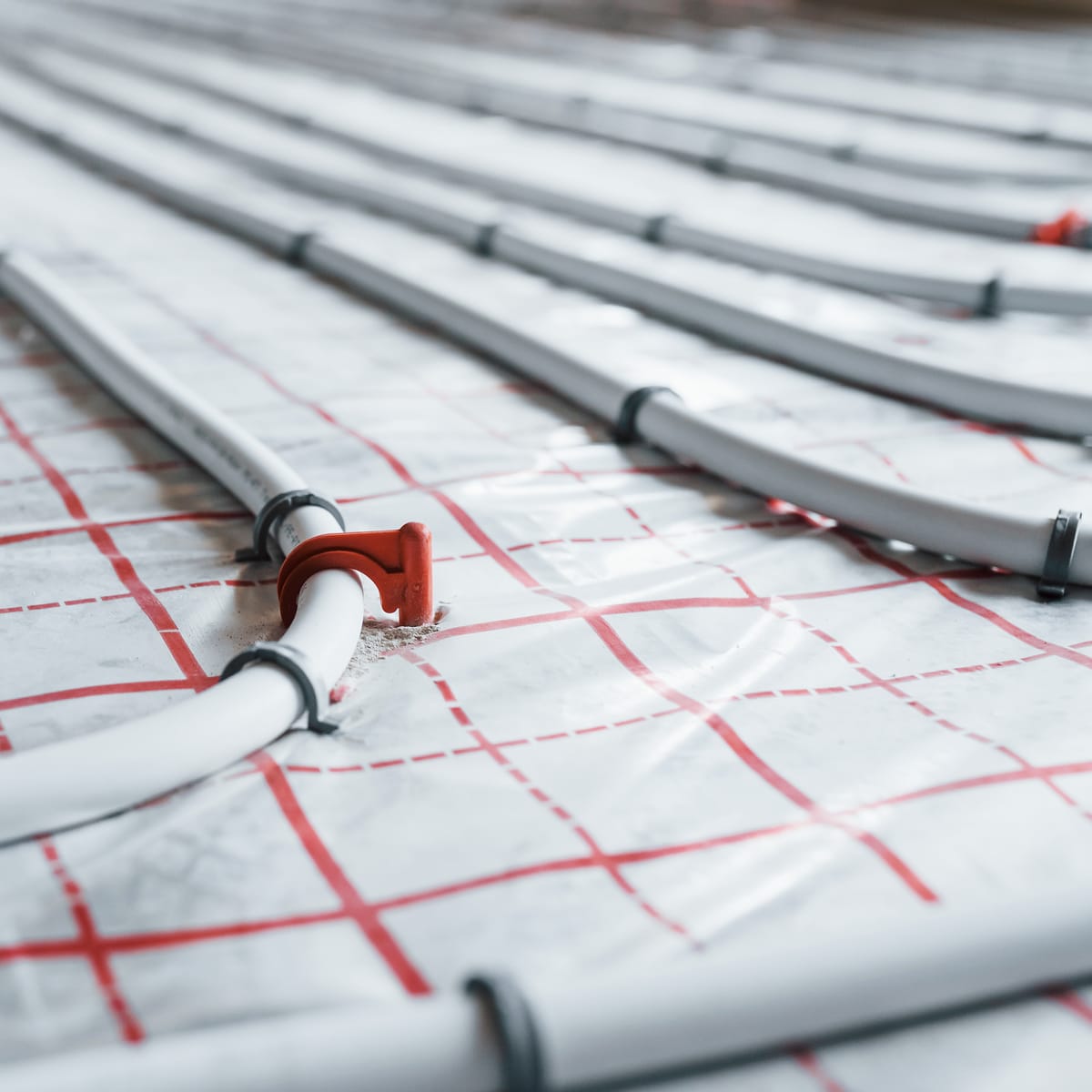
The pipe used in a wet system is not copper and it is not steel. It is plastic, usually PE-X or a multilayer pipe with an oxygen barrier, and it sits in screed with nothing moving through it except water at a modest temperature. No flame, no corrosion in the classic sense, no vibration, no daylight. That is why manufacturers put long guarantees against the pipe itself and why the honest answer to the lifespan question is measured in decades rather than years.
The failure modes that do exist are almost all installation faults, not age faults. A pipe nicked by a trowel during the screed pour. A joint buried in the floor where no joint should ever be buried. A coil laid too close to the surface and then drilled into by whoever fitted the skirting. Air and sludge left to circulate because nobody fitted or maintained proper water treatment. Get the first fix right and the floor becomes the most boring, most reliable part of the heating system.
Screed matters too. A slab that was never allowed to cure properly, or that was commissioned by cranking the flow temperature straight to maximum, can crack and put stress on the loops. We cover the whole area, and the same rule applies everywhere: a slow, staged commissioning curve at the start buys years at the end.
The components you can reach are the ones that wear out
Nobody rips up a floor because a pipe wore out. They call an engineer because the room has gone cold and something in the plant is at fault. Realistic replacement intervals for the serviceable parts look like this:
- Circulating pump: often 10 to 15 years, less if it has run against a blocked filter or dirty water.
- Thermal actuators on the manifold: commonly 8 to 12 years, and they tend to fail stuck rather than fail obviously.
- Room thermostats and wiring centre: 10 years or so, with older wired stats often replaced simply because the controls have moved on.
- Blending valve or mixing unit: 15 years plus, though the temperature setting drifts long before the valve gives up.
- Zone valves and the boiler feeding the loops: the boiler is very likely the first thing in the whole chain to need replacing.
Electric underfloor heating is a different animal. The heating cable itself is rated for decades, but it is a single continuous circuit, so a damaged cable is a genuine problem rather than an inconvenience. In practice the thermostat and the sensor probe fail first, and both are replaceable without touching the tiles. We cover the whole area, and most call outs on electric systems turn out to be a control fault, not a dead mat.
Because the engineers are based locally rather than driving in from the far side of the county, a cold floor rarely means waiting around. Tell us what has stopped working and there is usually someone who can be with you the same day.
Maintenance is what turns 30 years into 50
Underfloor heating is low maintenance, not no maintenance. The system is a closed loop of water, and closed loops accumulate magnetite and debris unless somebody looks after them. Once sludge settles in the lower runs of a loop, flow drops, that zone runs cool, and the pump works harder for less. Left long enough the only fix is a proper power flush or chemical clean of the loops, which is a bigger job than the annual check that would have prevented it.
The short list that actually extends life:
- Keep the system dosed with inhibitor and get the concentration checked, not assumed.
- Have the manifold flow rates balanced across the loops rather than left as they were on day one.
- Check and clean any filter or magnetic separator on the primary circuit.
- Run the system briefly in summer so actuators and the pump do not seize after months of stillness.
- Keep the flow temperature where the design intended it, not wound up to force a cold room warm.
Anything gas related in the chain, typically the boiler that feeds the manifold, must be worked on by an engineer on the Gas Safe Register, and that is not negotiable. Our engineers are Gas Safe registered and locally based across Surrey, London and the South East, which is why the same team handles both underfloor heating repair and full installation work rather than passing it along. New systems get the same attention as breakdowns, because the way a floor is installed decides how long it lasts.
When repair stops making sense and replacement starts
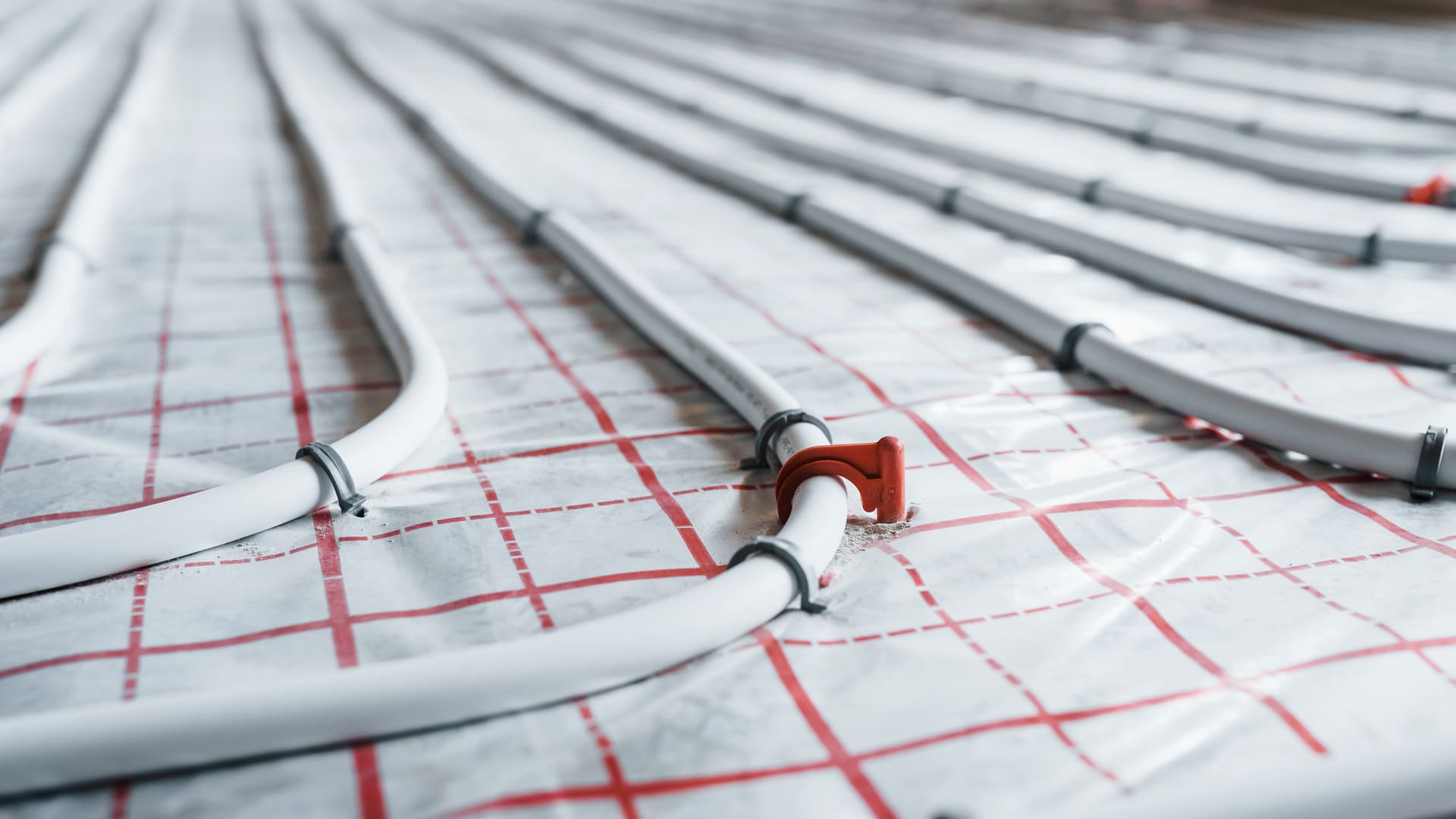
Straight answer: the floor almost never needs replacing, so the decision is nearly always about the plant, the controls or the design. A leak in a buried loop can be traced with thermal imaging and repaired locally, so a single damaged pipe is not a reason to relay the whole floor. Loops that were badly designed, spaced too widely or laid without enough insulation beneath them are a different conversation, because no amount of repair work fixes a floor that was never able to output enough heat.
Replacement or redesign is worth considering when several things stack up together: original loops with no records of where they run, a manifold with multiple failed actuators, a system that has never been balanced, and a boiler at the end of its life. At that point upgrading the manifold, the pump and the controls, and rebalancing the whole system, usually costs far less than new pipework and buys the floor another couple of decades. Everything else, from a cold zone to a stuck actuator to a thermostat that has lost its sensor, is a repair, and most of those are sorted on the first visit.
David heads a team of the firm's own local heating engineers, never subcontractors, so the person diagnosing the fault is the same outfit that stands behind the work, with up to a 10-year guarantee on installations.
Six things worth remembering
- Wet underfloor pipework realistically lasts around 50 years; electric mats 20 to 30.
- Pumps, actuators and thermostats are the parts with a genuine replacement cycle.
- Most premature failures trace back to installation faults, not to age.
- Water treatment and loop balancing do more for lifespan than anything else.
- A leak in a buried loop is a repair job, not a reason to dig up the floor.
- The boiler feeding the system will almost certainly be replaced before the pipes are.
Tell us what your floor is doing, or not doing, and Heating Services Ltd will get a local engineer out to diagnose it, usually the same day.