A drain that keeps blocking is telling you something, and digging up the garden to find out what is the expensive way to listen. Our CCTV Drain Surveys across Surrey, London and the South East put a camera inside the pipe instead, so you see the fault, where it sits and what it needs before anyone picks up a spade.
In Short
- Each stage of a survey, from lifting the cover to the report
- The warning signs that mean a camera inspection is worth booking
- How engineers tell a cleaning job apart from a structural repair
- What you can safely check yourself before the engineer arrives
Heating Services Ltd has been working in the area since 2008 as a Gas Safe registered firm with its own locally based engineers. For a drain survey in Cheshunt or anywhere across the region, we use CCTV cameras and sonar location, with findings explained in plain language.
Contact Heating Services Ltd today to book a CCTV drain survey anywhere in Surrey, London and the South East and get answers before a small drain fault turns into a dig.
What does a CCTV drain survey involve?
A CCTV drain survey involves an engineer lifting an inspection chamber cover, feeding a waterproof camera on a rod or remote crawler through your drainage system, and watching real-time video footage to find blockages, cracks, root infestation and displaced joints. The footage is recorded and written up in a report giving the location of each defect and remedial recommendations.
Book a CCTV drain survey with Heating Services Ltd and see the inside of your drains on camera before any decision about digging is made.
How a survey works from start to finish
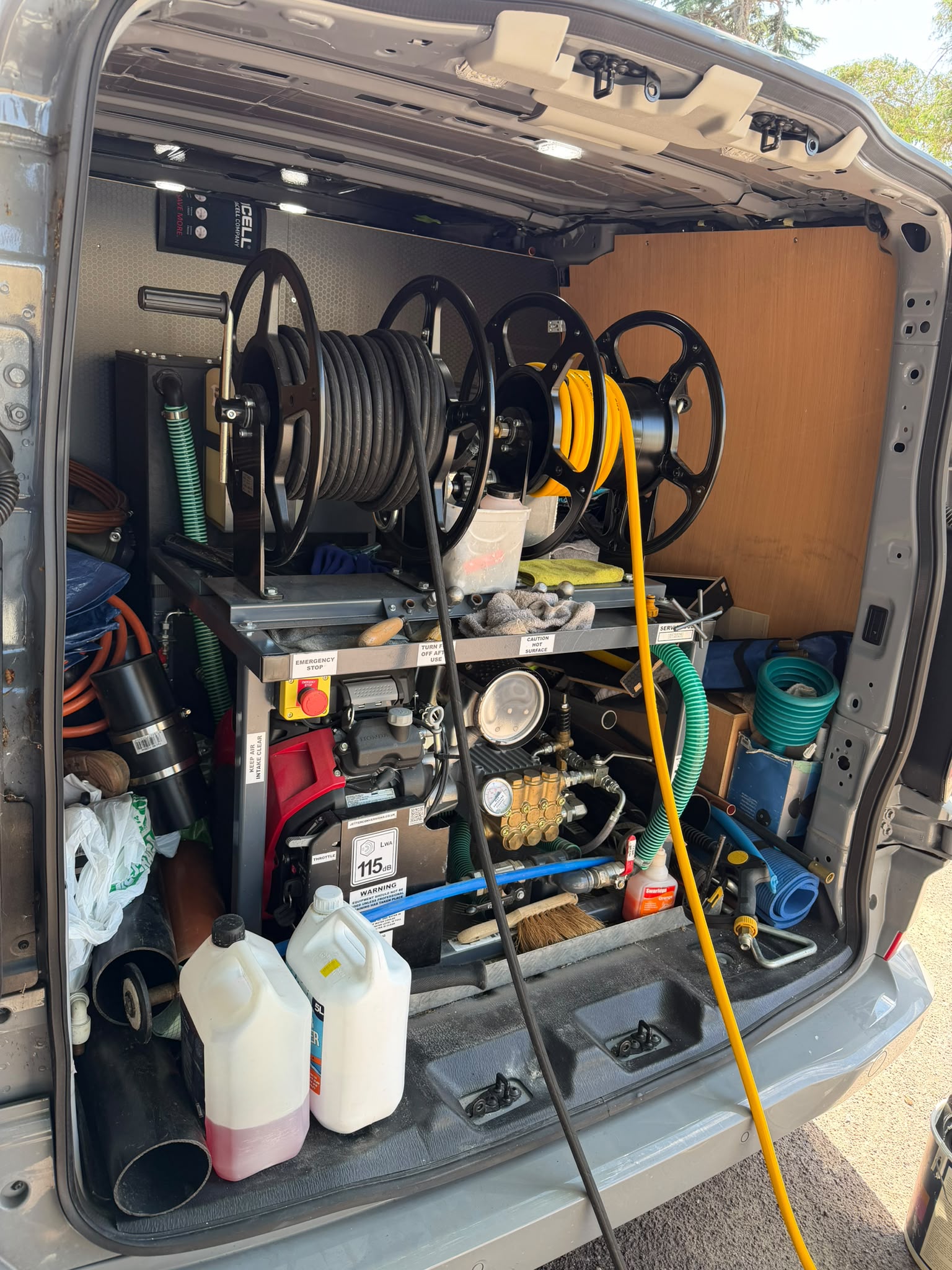
Every survey follows the same basic order, whatever the size of the property. Knowing the steps takes most of the mystery out of it, and it shows you why the report at the end is worth having.
- Finding the access points. The engineer locates the inspection chambers, rodding eyes and gullies on the property. Most homes have at least one manhole cover near the house and another closer to the boundary.
- Checking the flow. Before the camera goes in, the engineer runs water through the system to see which way it moves and where it backs up. Flow direction tells them which run to start on.
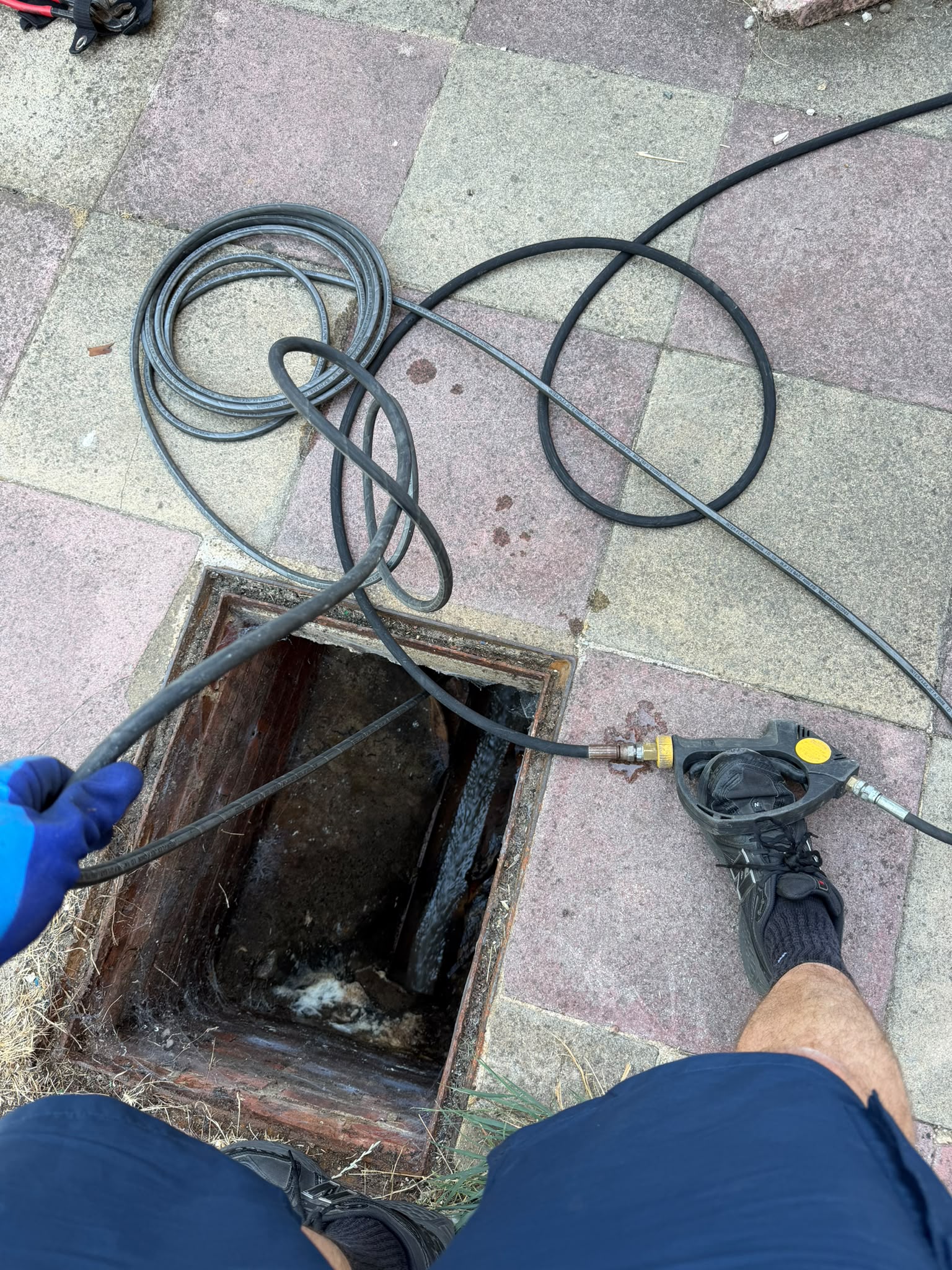
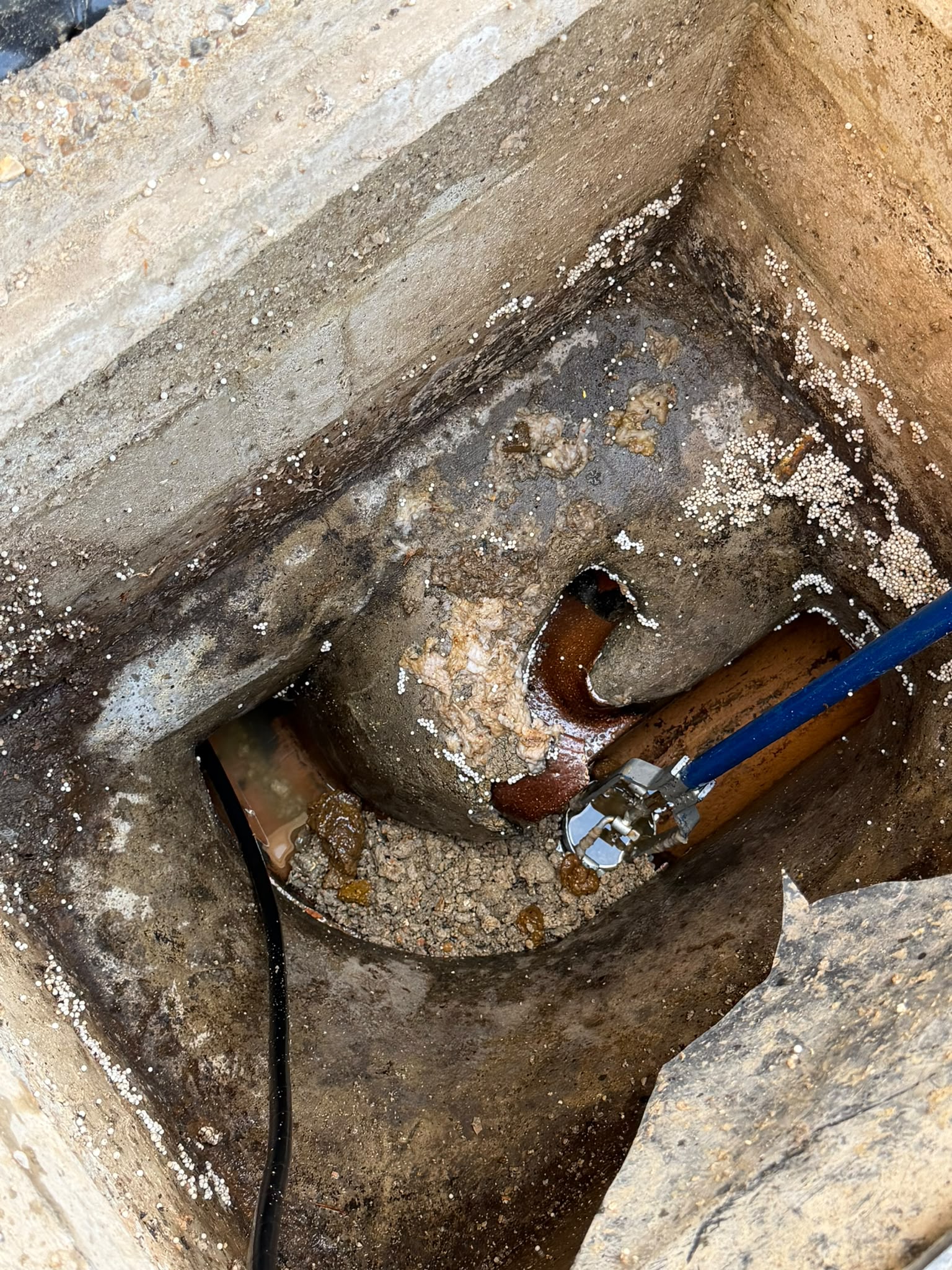
- Clearing the line if needed. If the drain is full of silt and debris buildup or standing water, the camera cannot see. A quick clean with a jetting hose usually comes first so the pipe walls are visible.
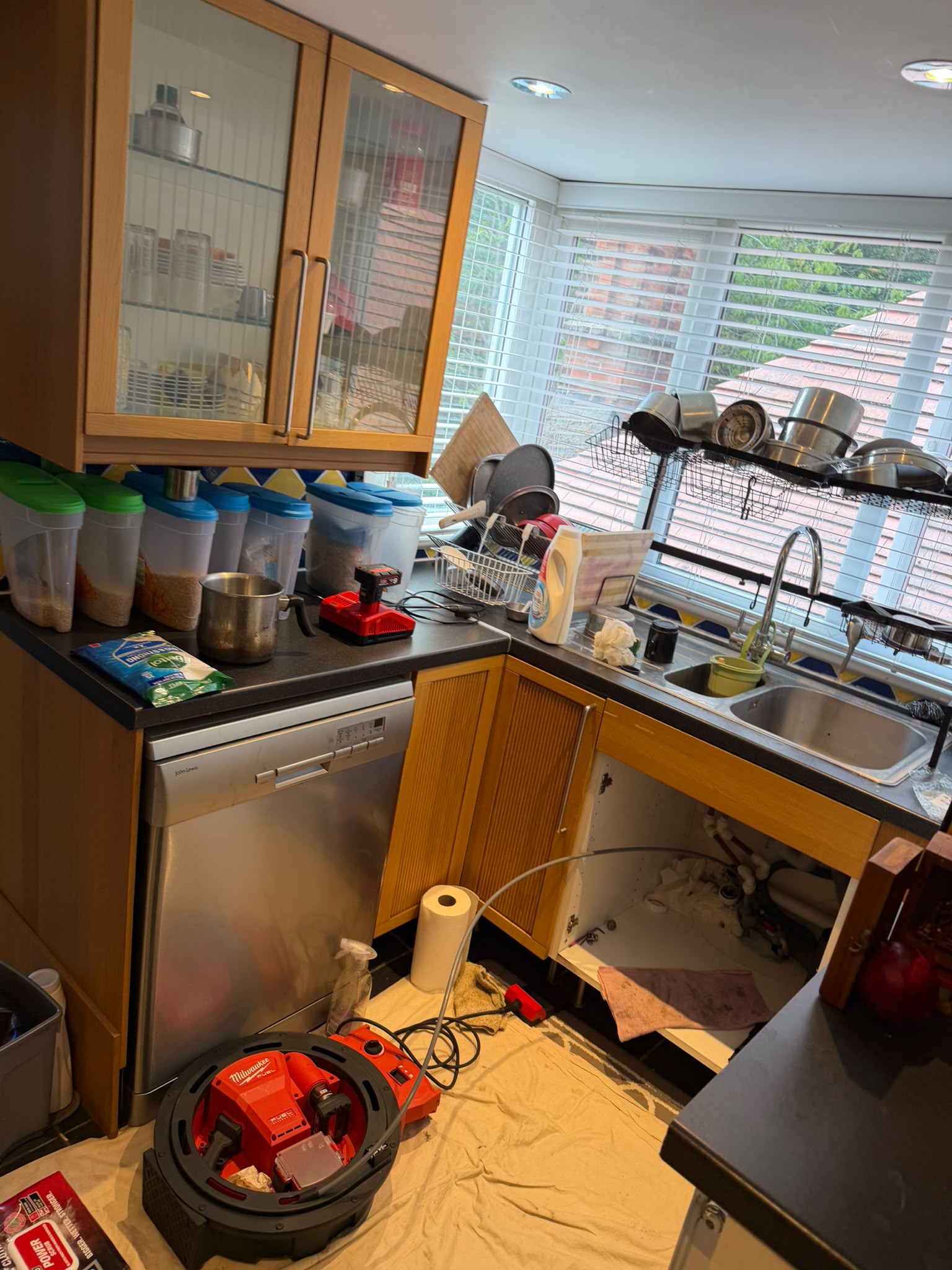
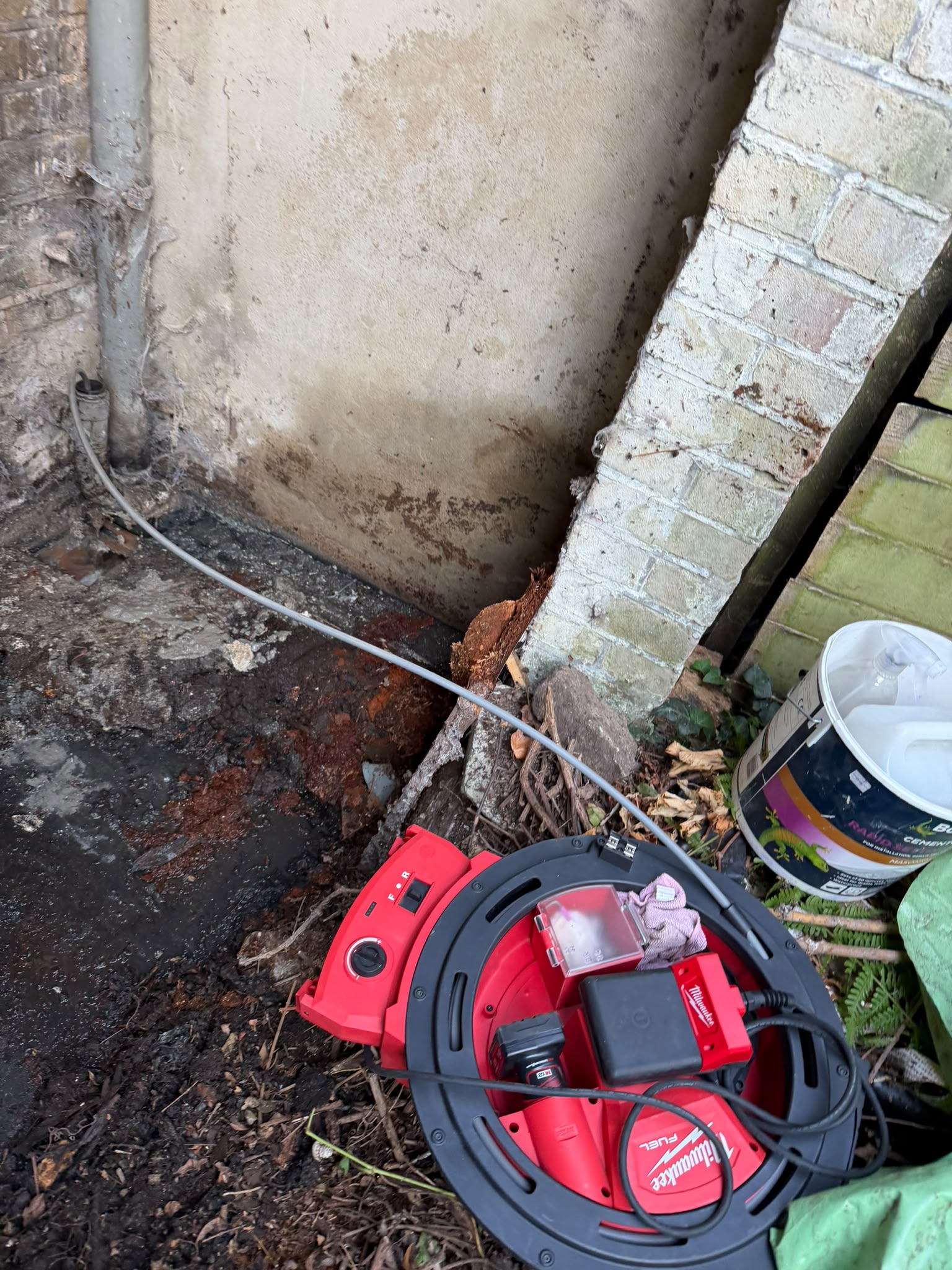
- Inserting the camera. Smaller pipes are surveyed with a push rod camera. Larger runs and long main sewers connections may need a remote crawler CCTV camera that drives itself along the pipe.
- Watching the live feed. The engineer views the footage on a screen as the camera travels, pausing on anything that looks wrong and measuring the distance from the access point.
- Locating faults from above ground. A sonar locator in the camera head lets the engineer trace its position through the ground, so a crack 8 metres down the garden can be marked on the surface rather than guessed at.
- Producing the report. The footage, still images and notes are written up with the findings and what we recommend next.
Along the way the camera records far more than faults. A good survey notes the drain diameter and length, the pipe material, manhole depth, where branches and connections join, and whether a run carries foul water from toilets and sinks or surface water from roofs and yards. That information can be turned into a drainage system diagram of underground foul and surface water drainage, which is useful long after the survey is finished.
We carry out cctv drain surveys right across our coverage area, and booking a cctv drain survey in Staines-upon-Thames follows exactly these steps.
Signs that point to a survey
Most people book a survey because something keeps going wrong, or because they are about to spend money on a property and want to know what is underground first. These are the situations where a camera earns its place:
- A drain that blocks, gets cleared, then blocks again within weeks
- Sinks, showers or toilets that drain slowly across several rooms
- Persistent drain smells inside or outside the house
- Damp patches, sinking paving or soft ground along the line of a drain
- Rats appearing in the garden or the house, which often follow broken pipes
- Buying a property, particularly an older one with clay pipes and mature trees nearby
- Planning an extension or new building work over or close to an existing drain
- A suspected collapse after heavy ground movement or a burst
The real value of the survey is telling apart a cleaning problem from a structural one. Fat, wet wipes and silt sit inside a sound pipe and can be jetted out. Fractures and holes, roots forcing through joints and pipes that have dropped out of line are defects in the pipe itself, and clearing them only buys time. The camera shows which one you have, so you pay for the right fix the first time.
Whether we're clearing a blocked drain in Wood Green or elsewhere in our area, the work is built around that difference: clear the drain, then look inside it if the problem keeps returning.
Safety and reporting standards
Drain work looks simple from the outside, but a few safety points apply to every survey.
- Manhole covers are heavy. Older cast covers can be awkward to lift and easy to drop on a hand or foot. Engineers use proper lifting keys.
- Chambers are confined spaces. Deep inspection chambers can hold low oxygen or sewer gases. Nobody should climb into one, and a survey never needs anyone to.
- Foul water carries bacteria. Gloves, careful handling of equipment and cleaning down afterwards are part of the job.
- Open chambers are a trip hazard. Covers are kept in place or guarded whenever children or pets are around.
Reports follow a recognised format of defect codes and condition grades, so anyone reading them later, from a buyer's solicitor to a builder, understands what each finding means and how serious it is. Each defect is listed against its distance from the access point, with images, so drain integrity can be judged run by run.
A survey also helps settle who is responsible for a fault. Pipes serving only your property are generally yours to maintain, while shared runs and the sections beyond your boundary are often the responsibility of the local water company. The footage shows exactly where a defect sits, which matters if you need to raise it with them or a neighbour.
What you can check yourself
There is useful groundwork you can do before anyone arrives, and it makes the survey quicker.
- Find your manhole covers and clear anything parked or planted over them
- Lift a light, plastic cover if it comes up easily, and note whether the chamber is dry or full of water
- Make a list of which sinks, toilets and gullies are slow or smell
- Clear leaves and grit from outside gullies and gratings
- Note when problems happen, for instance only after heavy rain, which points to surface water drainage
Some things are better left alone. Pushing hire rods hard into a drain you suspect has collapsed can make the damage worse and push debris further down the line. Strong chemical cleaners rarely shift a real blockage and can harm older pipes. And never climb into a chamber, however shallow it looks.
What needs a professional is the inspection itself: the camera, the sonar location, the cleaning beforehand and, above all, reading the footage accurately. A hairline crack and a harmless joint mark can look similar to an untrained eye. David heads a team of local expert drainage engineers who survey drains every week and know what each defect means for the pipe's future.
How long it takes and the disruption
The time a survey takes depends on how many runs there are, how long they are, how easy the access points are to reach and whether the drains need clearing before the camera can see anything. A straightforward survey on a typical home is often completed in a single visit, with larger properties, commercial sites and hotels taking longer because of the number of connections involved.
Disruption is low. The camera goes in through existing access points, so there is no digging, no lifted floors and no broken patio. While the camera is running we ask you not to flush toilets or run taps on the line being surveyed, and to keep pets and children clear of open chambers. If you are looking for a drain survey near you, there are drainage engineers based throughout the area, so someone local can usually reach you without a long journey.
Once the report is in hand, you know what comes next. Silt and grease point to drain cleaning. Cracked, root-damaged or collapsed sections point to drain repairs, and when a repair is needed our engineers can usually get it done the same day. If you are planning new drainage or an extension, the survey gives the installation team an accurate picture of what is already in the ground before work starts.
Book a CCTV drain survey with Heating Services Ltd and see the inside of your drains on camera before any decision about digging is made.