The water has stopped going down, the smell is creeping in, and the first question on your mind is what it will cost. Our Drain Cleaning work across Surrey, London and the South East starts with finding the cause, so you know what you are paying for before anything is cleared.
The Essentials
- Why time on site, access and the hour of call-out move the price
- How rodding, high-pressure jetting and CCTV surveys differ in time and cost
- Which symptoms point to a local blockage and which to the main drain
- When a shared sewer means the cost may not be yours to pay
- Safe fixes to try yourself before calling a drainage engineer
Heating Services Ltd has worked across the area since 2008 and holds Gas Safe registration, and our drainage work is carried out by our own locally based engineers. From routine drain cleaning to clearing drains in Cheshunt for homes and businesses, every job comes with a clear written quote.
Contact Heating Services Ltd now and get a drainage engineer working on your blockage anywhere across Surrey, London and the South East.
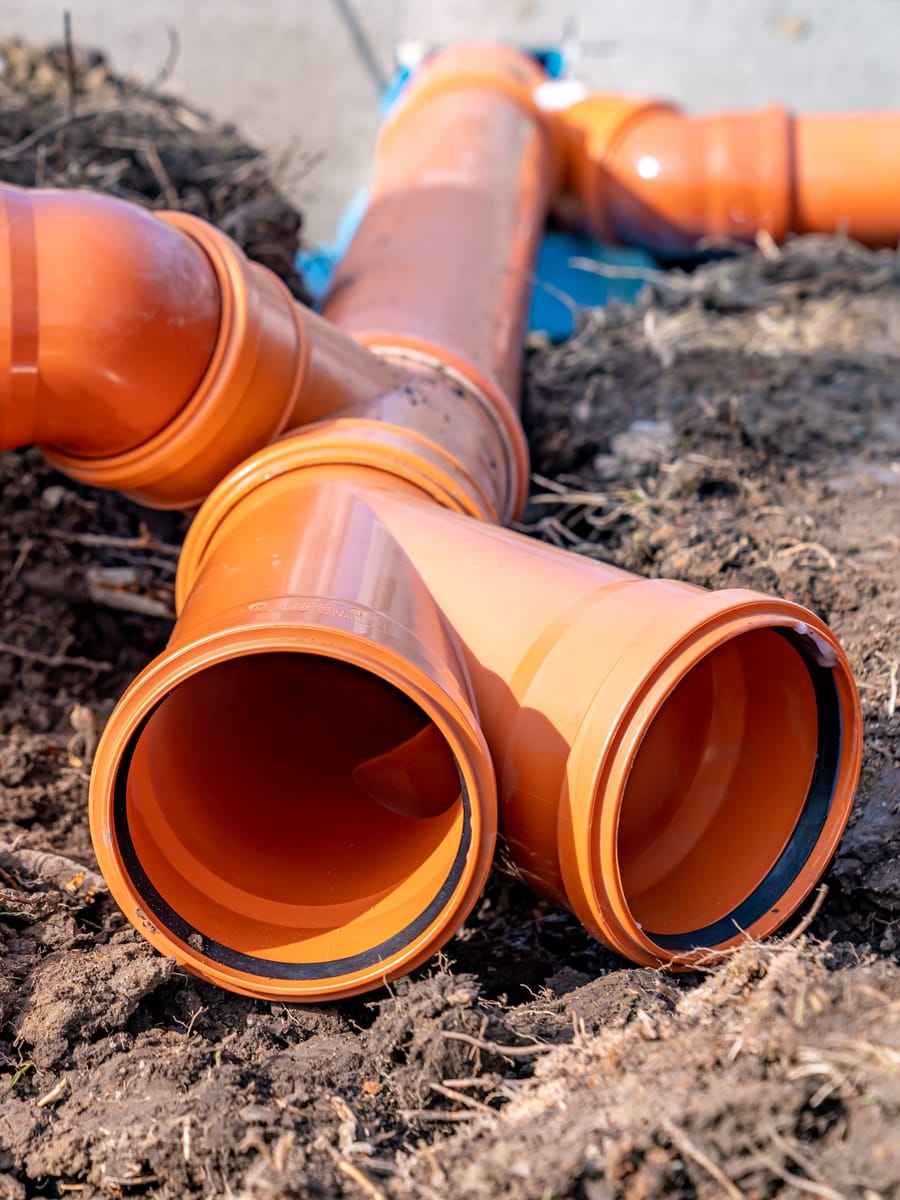
What is the average cost of unblocking a drain in the UK?
The average cost of unblocking a drain in the UK depends on the job: where the blockage sits, how easily it is reached, whether rodding or high-pressure water jetting is needed, and whether it is an emergency call-out. A sink or gully clearance in working hours sits at the low end; deep, shared or root-filled drains cost more.
Tell Heating Services Ltd what your drain is doing and we will send a drainage engineer with the right kit to clear it and explain the cause.
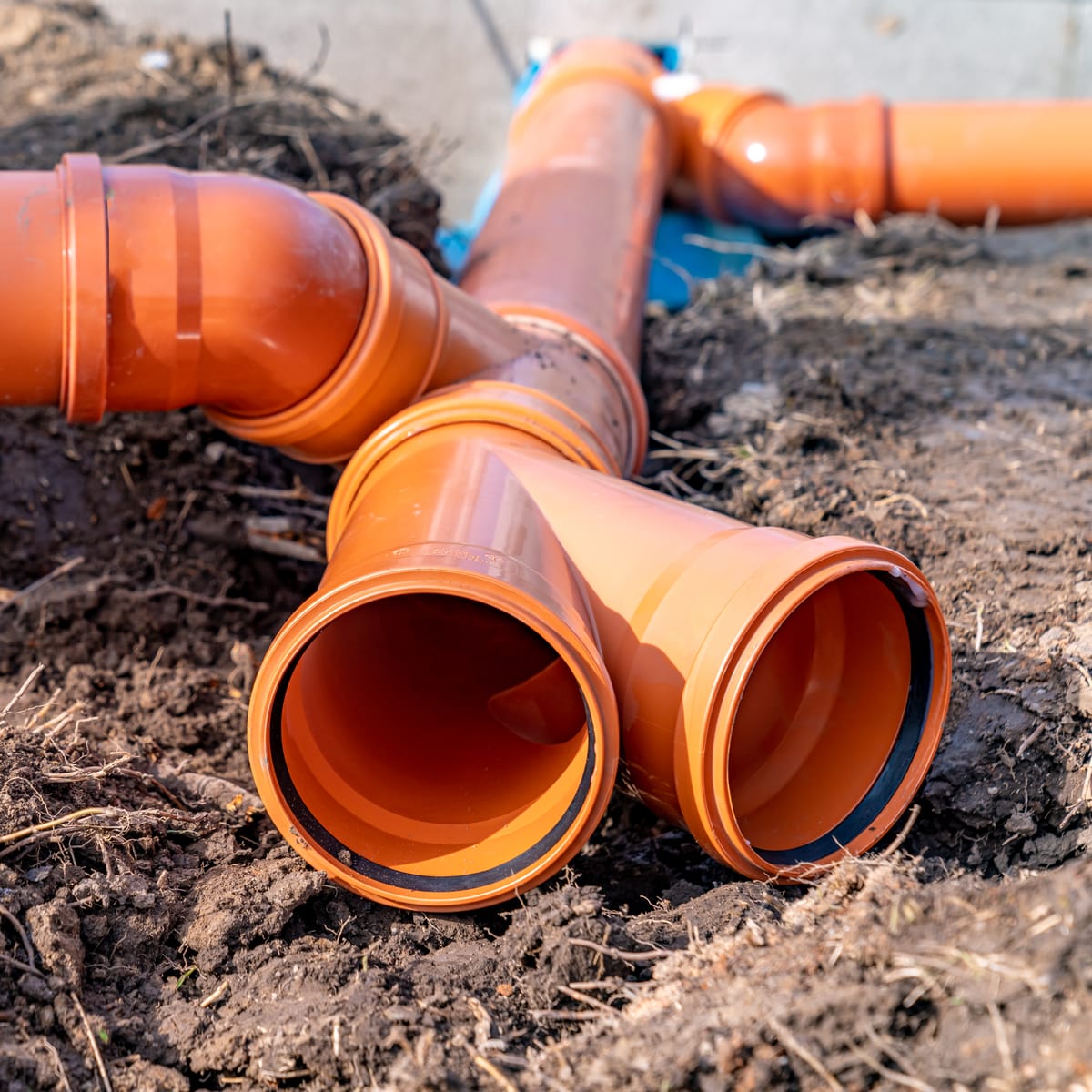
Most drain jobs take hours, and time on site moves the price
Time on site is one of the biggest levers on what you pay, so it helps to know what each stage involves. A soft blockage in a sink trap, toilet or external gully is usually cleared on the first visit. Disruption is light: dust sheets down, the nearest manhole cover lifted, and the affected fittings out of use for a short while. The methods, from quickest to most involved:
- Drain rodding. Flexible rods pushed through from an access point to break up the blockage. Quick and simple, and suited to soft blockages near a manhole or rodding eye.
- High-pressure water jetting. A jet of water scours the pipe wall clean of fat, scale, silt and wipes. It takes longer and needs space for the equipment, but it clears what rods only punch a hole through, which is why a jetted drain tends to stay clear for longer.
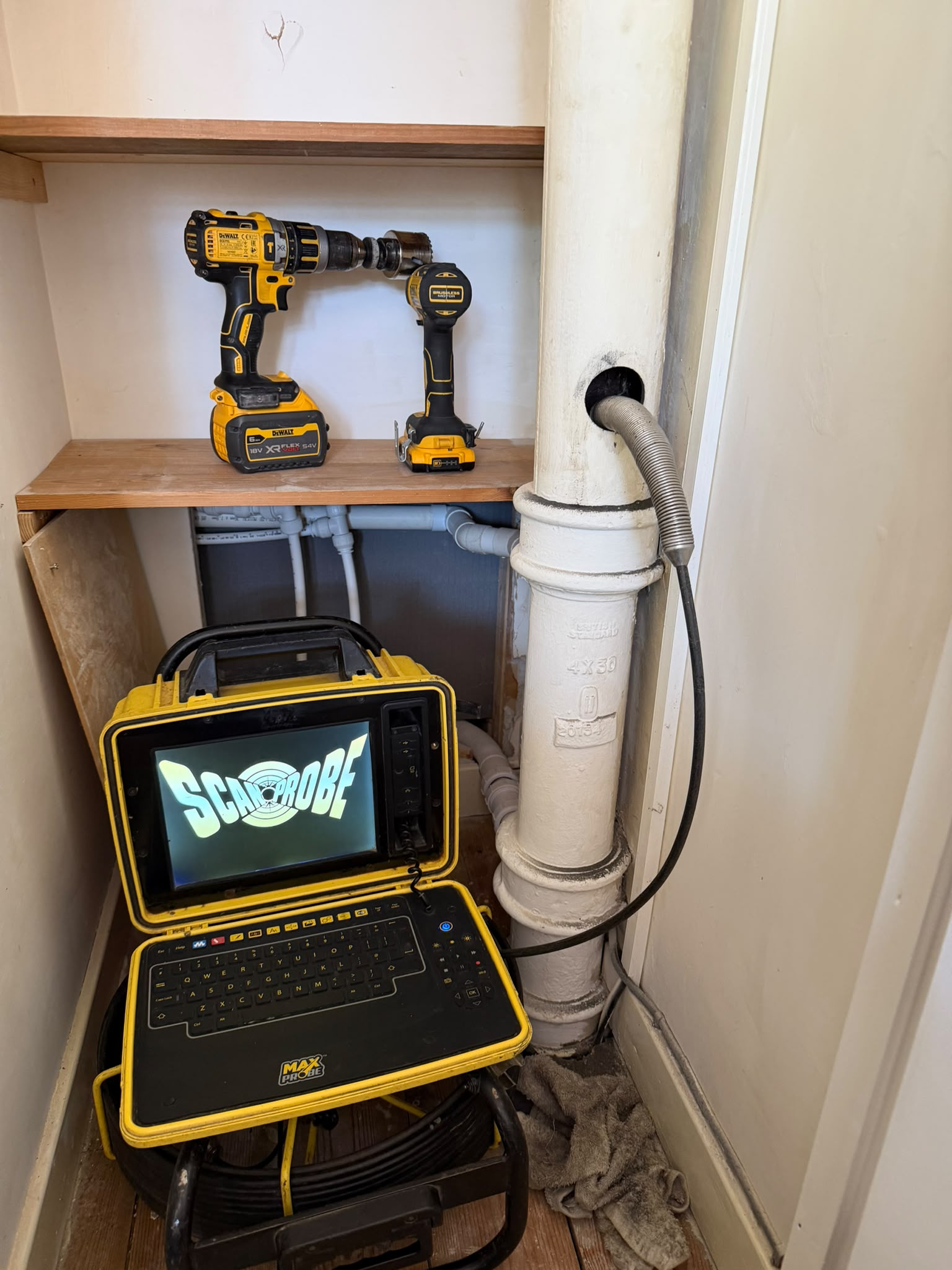
- CCTV drain survey. A camera fed down the line shows what caused the blockage: roots, a cracked or displaced joint, a sag holding water, or a collapse. Sonar pipe location then traces the route from above, so nobody has to dig to find it.
- Root cutting and descaling. Slower work that can need a return visit once the line has been surveyed.
Access is the other big lever. A manhole buried under decking or a patio, a drain reached only through a shared passage, or a property with no external access point at all means more time on site. In parts of London, parking and restricted access add time before any work starts. An emergency call-out in the evening or at a weekend will also cost more than the same job in working hours, so if the drain is slow rather than overflowing, waiting for the morning is often the sensible call.
We clear drains right across the region, from general drain cleaning to drain cleaning in Staines-upon-Thames, with our own drainage engineers based locally. That is why, for most blockages, one of the team can usually be with you the same day.
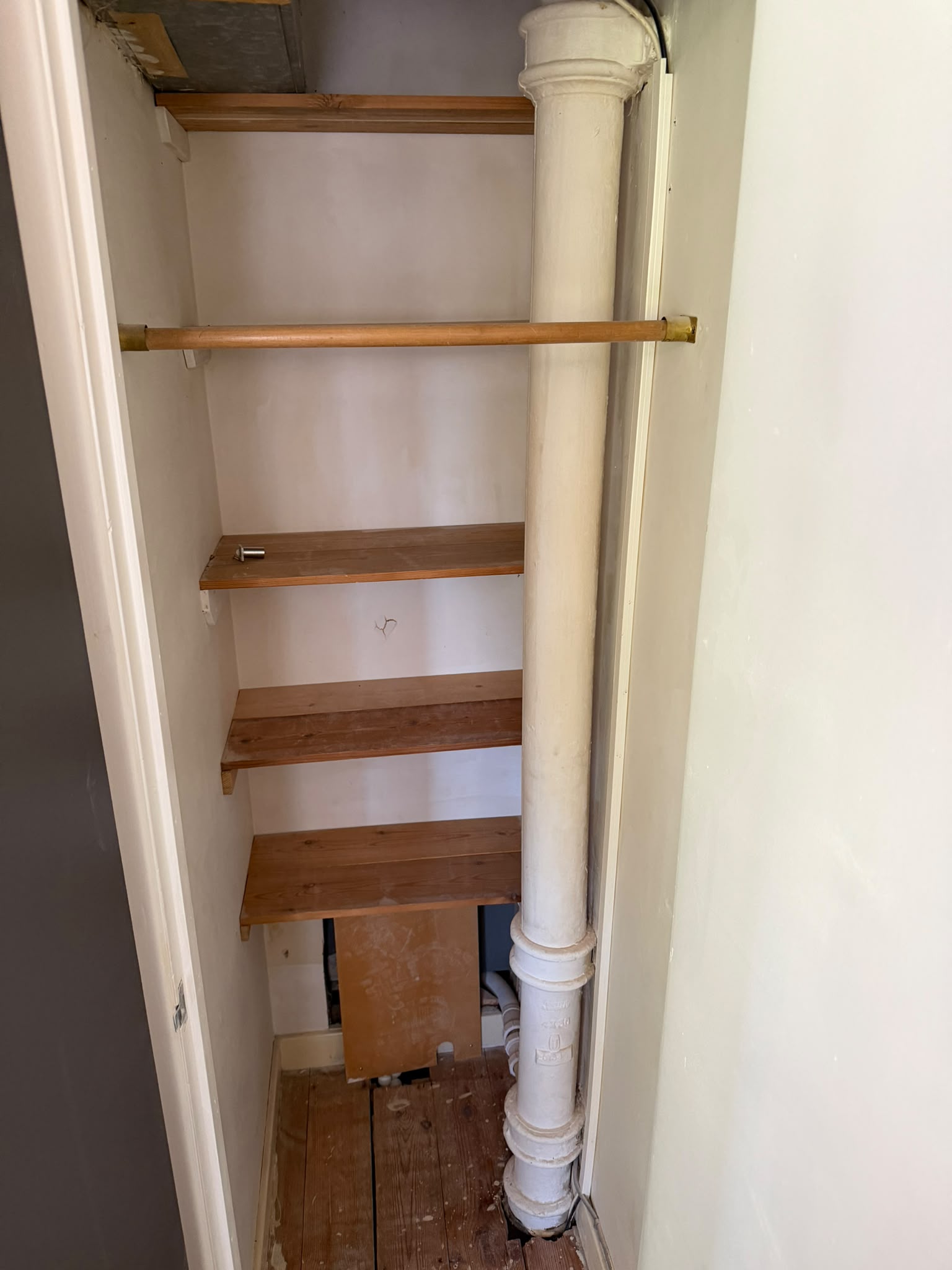
The signs that show how serious your blockage is
Drain blockage severity is the clearest clue to what the job will involve. Before you pick up the phone, run a tap in each sink, flush each toilet and check the outside gullies. The pattern tells you a lot.
- One sink or basin draining slowly. Usually a local blockage in the trap or waste pipe: hair, soap or food fat. Often the simplest job there is.
- A single toilet that will not clear. Commonly wipes or a foreign object in the pan or the short run beyond it.
- Several fittings slow at once, or gurgling from plugholes. The problem sits further down, in the main run that everything shares.
- Water rising in a gully or a full manhole. A blocked external drain, with the blockage downstream of the chamber you can see.
- Sewage backup into the lowest toilet or shower. The main drain or a shared sewer is blocked, and this one needs attention quickly.
- A blockage that keeps coming back. A sign of roots, a sag or a damaged pipe, where a CCTV drain survey earns its place.
Those patterns line up closely with cost by blockage type. A blocked drain that affects one fitting usually sits at the cheaper end: one visit, rods or a plunger, done. External drains need more kit and often jetting. Root removal and repeat blockages add survey and cutting time. A persistent smell with no visible blockage can point to a cracked pipe or a dried trap, and is worth reporting even while water still drains away.
Tell Heating Services Ltd what your drain is doing and we will send a drainage engineer with the right kit to clear it and explain the cause.
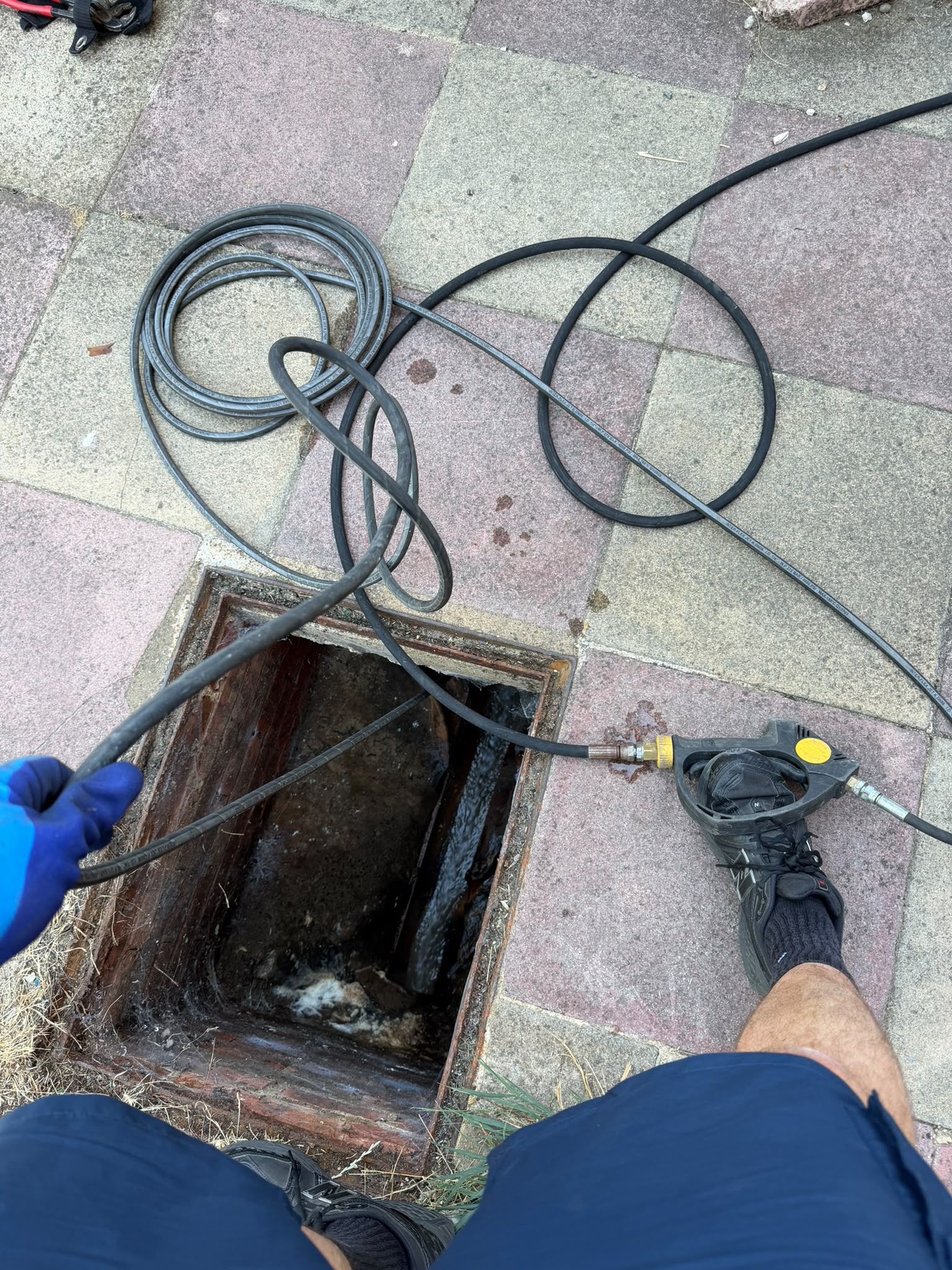
Who is responsible, and the safety points that matter
Before you pay for drain clearance, it is worth knowing whose pipe has blocked. In England and Wales, the drain that serves only your property and sits inside your boundary is usually yours. Once it joins pipework serving neighbours, or runs beyond your boundary, it is generally the responsibility of the local water company. If the sewage backup traces to a shared sewer, the cost may not fall on you at all. Tenants should tell their landlord first, and some home insurance policies include drainage cover, so check yours.
A written quote should leave nothing unclear. Check that it states:
- whether VAT is included in the total
- whether the price is fixed for the job or based on time on site
- what the call-out charge covers, and whether any labour time is included in it
- whether out-of-hours work is charged differently
- whether a CCTV drain survey is part of the price or quoted separately
That is how we quote: clear, in writing, with no surprises once the work is done.
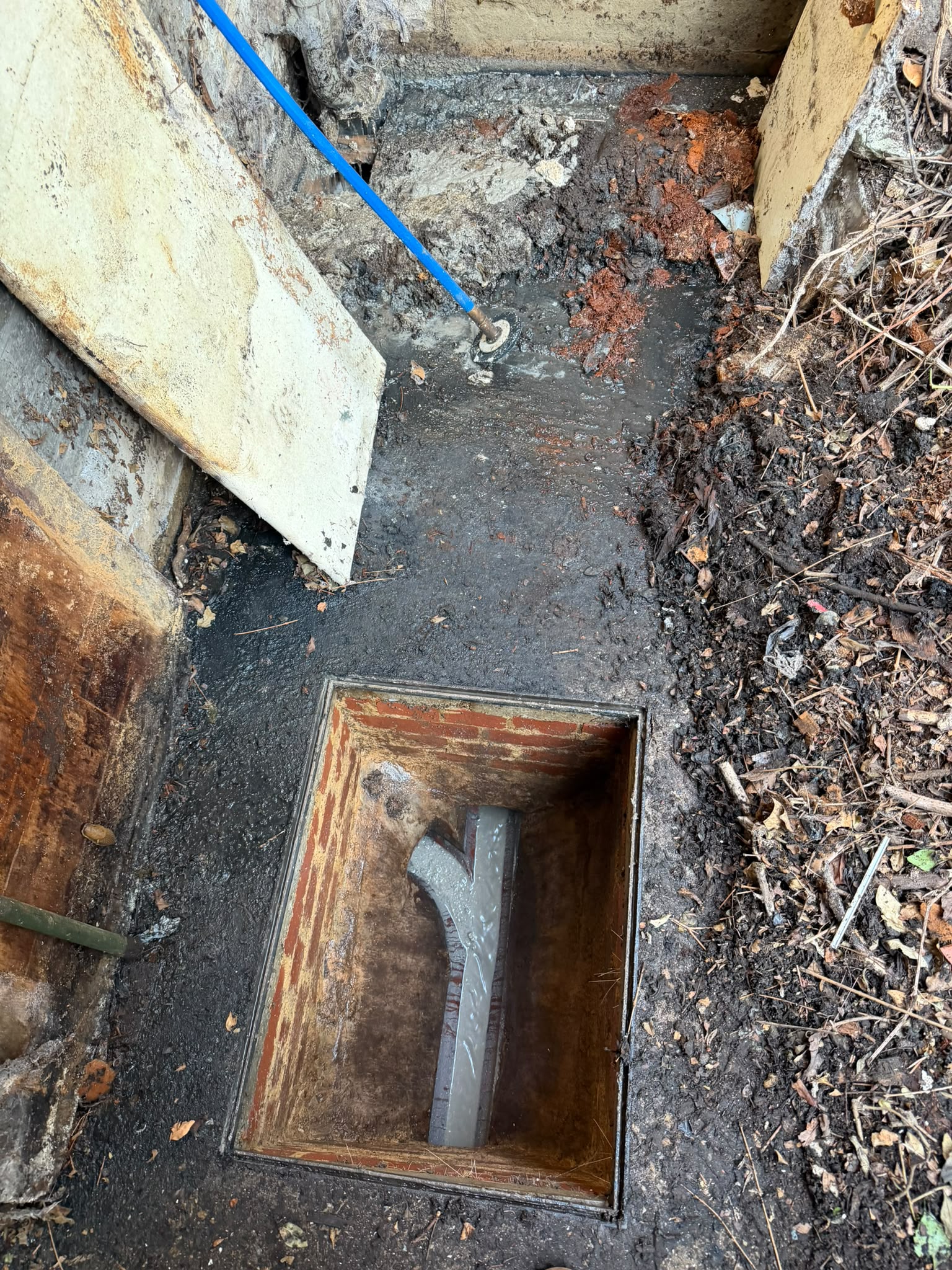
Then the safety side. Sewage carries bacteria that cause real illness, so wear gloves, keep children and pets away from an open chamber and wash thoroughly afterwards. Never mix chemical drain cleaners, and avoid pouring them into a drain that is already full: they can react, damage older pipes and splash back. Manhole covers are heavy and the chambers beneath can be deep, so never climb into one.
What you can safely try first, and when to call us
Plenty of blockages give way to a little patience, and there is no sense paying for something you can sort in a few minutes. These are safe to try:
- A plunger on a slow sink or toilet, with the overflow covered on a sink so the pressure goes down the pipe.
- Hot water from the tap with washing-up liquid down a kitchen sink, to shift fresh fat. Avoid boiling water on plastic pipes or a toilet pan.
- Undoing the trap under a basin or sink, with a bucket beneath it, and clearing it by hand.
- Lifting leaves and silt off an external gully grate with a gloved hand.
Stop and call a drainage engineer when several fittings are affected, when sewage appears anywhere, when a manhole is full, when the same blockage returns within weeks, or when you suspect roots or a collapsed pipe. Hiring rods and forcing them through a damaged pipe can turn an unblocking job into a repair.
If a survey does find damage, the job moves on to drain repairs: repairing a cracked section, resealing a displaced joint or replacing a collapsed length, with new pipework installed where the old run cannot be saved. Our engineers explain what the camera shows before anything is agreed, so you know whether you are paying for a clearance, a repair or both. David heads a team of expert drainage engineers across Surrey, London and the South East, so tell us what your drains are doing and we will get someone out to you as soon as we can.
Tell Heating Services Ltd what your drain is doing and we will send a drainage engineer with the right kit to clear it and explain the cause.