A powerflush is a half day to a full day of work, not a ten minute job, and knowing the timings helps you plan around cold radiators.
The Quick Answer
- Three to six hours is typical for an average domestic system of eight to ten radiators.
- Radiator count, microbore pipework and the level of sludge are what push the job longer.
- Heating and hot water are off while the work is done, so clear access to every radiator saves time.
- The flush finishes with a clean rinse and a corrosion inhibitor added to protect the system.
Established in 2008, Heating Services Ltd is a team of locally based Gas Safe engineers led by David, with workmanship guarantees of up to ten years. If you need a powerflush in Morden, we cover the whole area.
Tell us how many radiators you have and we will give you a realistic time and price for the work.
How long does it take to do a powerflush?
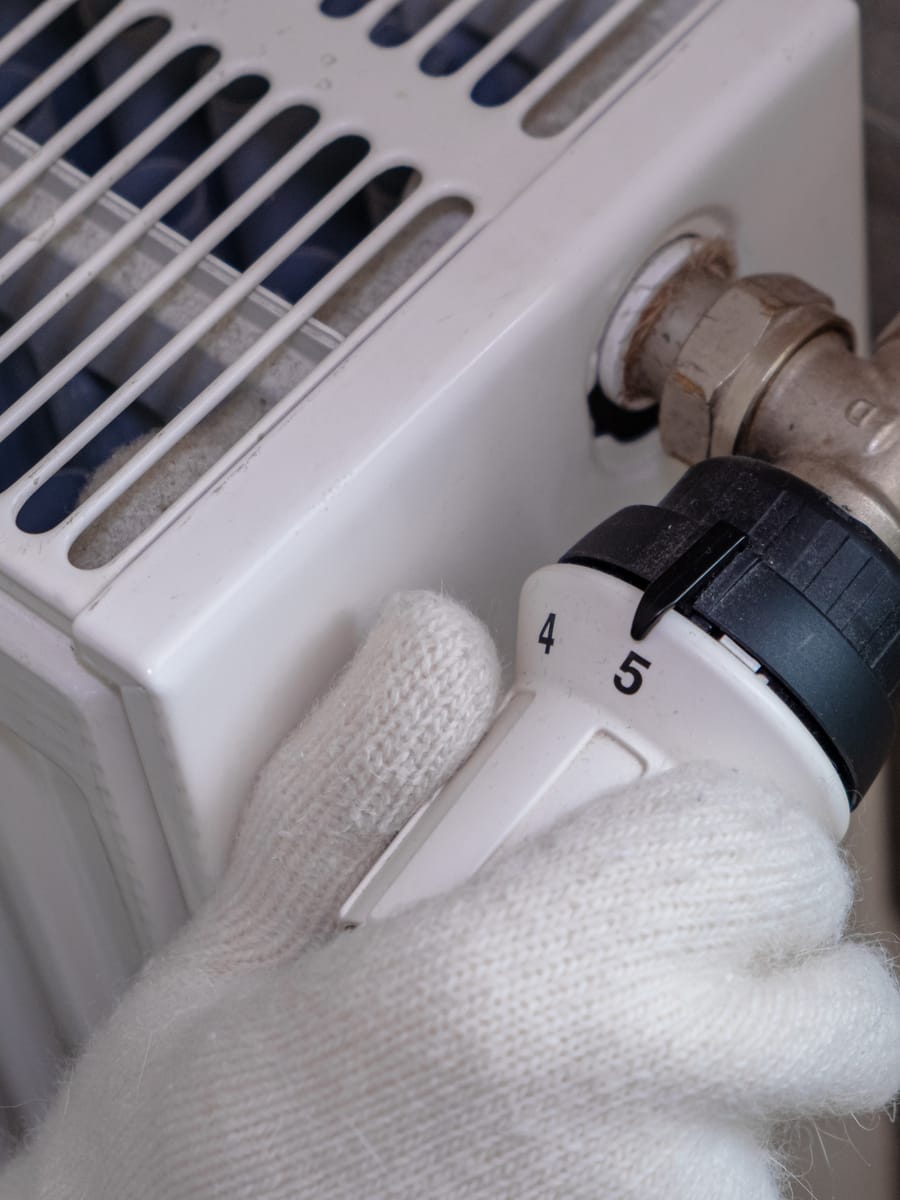
Most powerflushes take between three and six hours, with an average domestic system of eight to ten radiators usually finished within a single working day. Larger properties, heavily sludged pipework or systems needing extra chemical dwell time can stretch the job into a longer day or occasionally a second visit.
Ring Heating Services Ltd today to book your powerflush and we will confirm how long your system realistically needs before we start.
What actually fills those hours on site
The clock does not start with the pump. A powerflush begins with an assessment of the system: checking circulation, taking temperature readings across each radiator, and identifying cold spots that show where magnetite sludge has settled. That diagnostic stage alone can take thirty to forty minutes, and it is what tells the engineer how aggressive the flush needs to be.
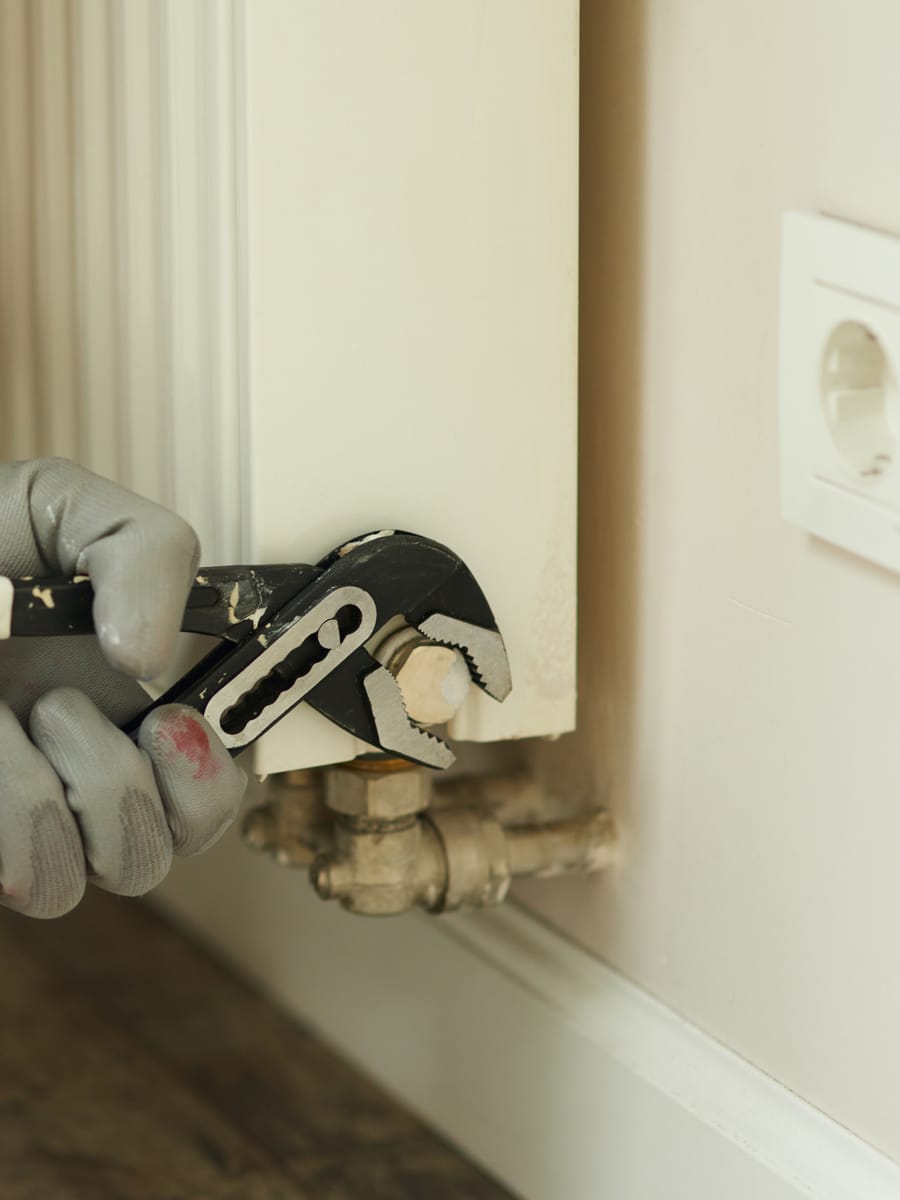
Next comes isolating the boiler, connecting the flushing unit across the flow and return, and dosing the system with cleaner. The chemical needs time to circulate at temperature and lift the debris off the internal surfaces of the radiators and pipework. Only then does each radiator get flushed individually, forward and reverse, before the whole system is rinsed until the water runs clear and a corrosion inhibitor is added.
We cover the whole area, and the same methodical sequence is followed every time. Rushing any one of those stages is what leaves a system half clean and the customer back where they started a season later.
Why some systems take longer than others
Radiator count is the biggest single factor. A compact flat with five radiators can be flushed comfortably inside three hours, while a four bedroom house with fifteen emitters and a couple of towel rails is a full day. Microbore pipework adds time because the narrow bore clogs more readily and needs slower, more patient work to clear without pushing debris further into the circuit.
Other things that extend the job include seized radiator valves, an old open vented system with a header tank, cast iron radiators holding decades of sediment, and underfloor heating loops that have to be flushed circuit by circuit. If the system is so corroded that pinholes appear once pressure is applied, repairs come first. We cover the whole area, and an engineer will tell you honestly if a flush is the right answer or if replacement radiators or pipework are the better spend.
- Small system, up to six radiators: roughly three to four hours.
- Average family home, eight to twelve radiators: four to six hours.
- Large or microbore system: a full day, sometimes longer.
- Combined with a boiler service or filter fitting: add around an hour.

Planning your day around the work
Expect the heating and hot water to be off for the duration, so it is worth booking a day when the house can run cold for a few hours. Access to every radiator matters: moving furniture and lifting rugs before the engineers arrive saves real time. Water and power are needed, along with a drain point for the dirty water.
A powerflush is often carried out alongside other work, and pairing it with a boiler service or the fitting of a magnetic filter makes sense because the boiler is already isolated. If a breakdown is what prompted the enquiry, repairs are a speciality of this firm and there is usually an engineer who can be with you the same day, with a full flush booked in afterwards once the system is running again. New installations are handled by the same team, and every boiler installed benefits from a properly cleaned system behind it.
Ring Heating Services Ltd today to book your powerflush and we will confirm how long your system realistically needs before we start.
Who carries out the work and how quickly it can be booked
David heads a team of local expert heating engineers, all Gas Safe registered and directly employed rather than subcontracted, working across Surrey, London and the surrounding areas. Because the engineers are locally based instead of travelling across the county, appointments can usually be found quickly, and urgent heating faults are often attended on the day they are reported.
Anyone working on the boiler side of the system must be Gas Safe registered, as the Gas Safe Register sets out, and that applies to the isolation and recommissioning steps of a flush as much as to a boiler swap. The firm has been established since 2008, David has over 21 years' experience in the trade, and the workmanship carries a guarantee of up to ten years depending on the job. Many five-star reviews from customers across the area are shown in the review widget on the site.
Ring Heating Services Ltd today to book your powerflush and we will confirm how long your system realistically needs before we start.