A powerflush is either the fix your heating needs or money spent on a system that was already clean, and the difference is measurable before anyone starts work.
The Quick Answer
- Cold radiator bottoms, slow warm-up and black bleed water are the signs that a flush will pay back.
- The process is mechanical, reversing flow through each radiator to carry debris out, then dosing inhibitor.
- Clean water protects pumps, valves and heat exchangers, the parts that cost most to replace.
- On a clean or badly corroded system, a flush is not the right recommendation and we will say so.
Established in 2008, Heating Services Ltd runs a team of its own locally based Gas Safe engineers rather than subcontractors, so if you need a powerflush in Morden, we cover the whole area.
Tell us what your radiators are doing and one of the team will test the system and advise honestly.
Is a powerflush worth it?
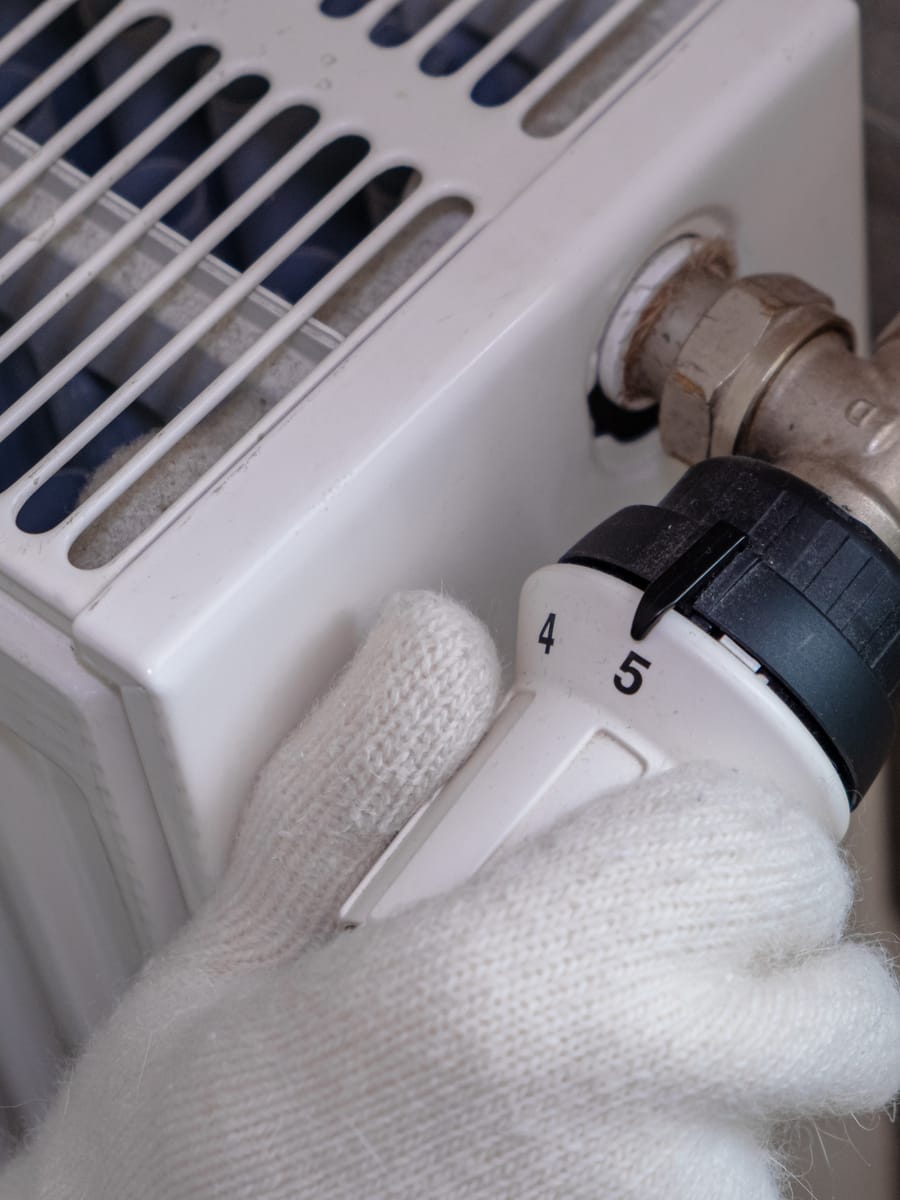
Yes, a powerflush is worth it where sludge and magnetite have built up in the system, because clearing that debris restores circulation, warms up cold radiators and takes strain off the pump and heat exchanger. On a clean, well protected system it is not worth paying for, so the symptoms should decide it.
Call Heating Services Ltd today and we will check your flow temperatures before recommending a powerflush, not after.
The symptoms that make a flush worth paying for
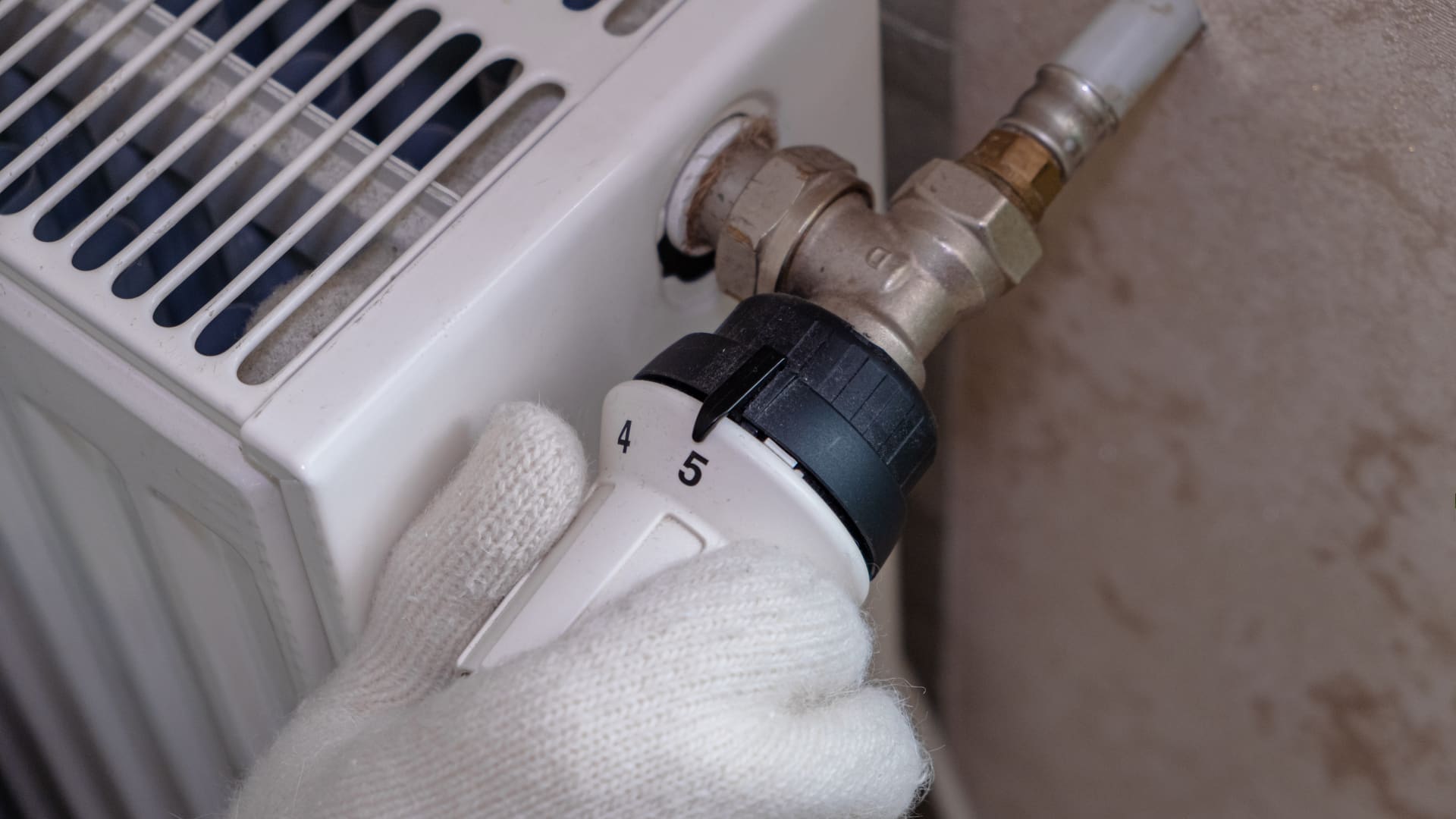
Iron oxide sludge forms wherever water, steel and oxygen meet, and it settles at the lowest point of flow. That is why the classic signs are radiators cold along the bottom and hot at the top, radiators nearest the boiler heating while those at the end of the run stay cool, and a system that takes far longer to reach temperature than it used to. Add noisy pipework, a pump that whines, repeated need for bleeding, or black water when you open a bleed valve, and the case for power flushing is straightforward.
The other strong indicator is boiler behaviour. Restricted flow through a heat exchanger causes short cycling, kettling noises and overheat lockouts, and those faults will return until the water is clean. We cover the whole area, and our engineers will test flow and return temperatures before recommending anything.
What a flush actually does to the system
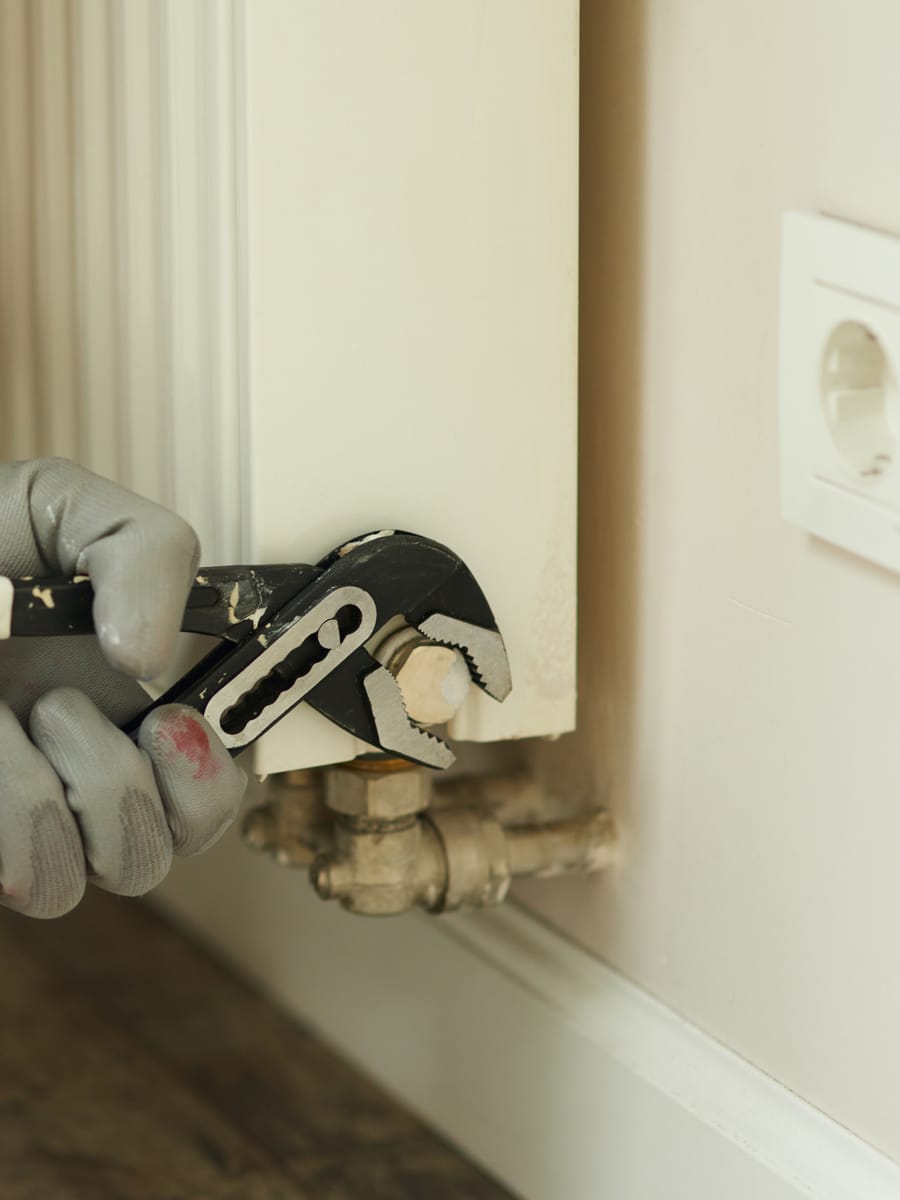
A powerflush is a mechanical process, not a chemical soak. A high volume, low pressure pump is connected to the circuit and pushed through it with a cleanser, reversing flow direction and isolating radiators in turn so debris is dislodged and carried out rather than pushed further into the pipework. The system is then rinsed until the water runs clear and a corrosion inhibitor is dosed to slow the whole process starting again.
Done properly, a central heating flush is measured, not guessed. Surface temperatures are checked before and after, and a magnetic filter is normally fitted or cleaned at the same time so future magnetite is caught rather than circulated. We cover the whole area, with the same method applied on a small combi system as on a large vented one.
The return you get for the cost
The value sits in three places. First, heat output: a radiator half full of sludge cannot give up its rated heat, so rooms stay cold while the boiler runs longer than it needs to. Second, component life. Pumps, diverter valves and heat exchangers fail early in dirty water, and those are the expensive parts. Third, protection of a new boiler, since manufacturers expect the system to be cleaned to standard before a replacement is commissioned, and an unclean system can undermine an up to 10-year guarantee.
There are cases where it is not the right answer. Severely corroded steel radiators, a partially blocked microbore run or a system with a failed circulating pump may need those parts addressed first. A central heating flush is the right call once the circuit itself is sound, and honest advice about that is part of the job. Our engineers are Gas Safe registered, as the Gas Safe Register requires for work on gas appliances, and boiler repair or a full boiler installation can be handled by the same team if that turns out to be the better route.
How the work is arranged and how quickly
David heads a team of the company's own locally based Gas Safe engineers, working across Surrey, London and the South East, and never subcontractors. Because the engineers live in the areas they serve, appointments do not depend on someone crossing the county, and a heating breakdown that comes to light during the visit can usually be dealt with on the same day rather than left for a week. Searching for a heating engineer near you? There is likely to be one of the team working close to your street already.
A typical flush takes most of a day depending on the number of radiators, and the system is left balanced, refilled and inhibited before we leave. Established in 2008, with David bringing over 21 years in the trade to how the team works, the approach is the same on every visit: test first, flush where it will make a measurable difference, and say so plainly when it will not. There are many five-star reviews on the widget on this site if you want to see how that lands with customers.
Call Heating Services Ltd today and we will check your flow temperatures before recommending a powerflush, not after.