Unvented cylinders give you mains pressure hot water at every tap, but they come with real trade-offs worth understanding before you commit.
What You Need To Know
- Performance is capped by your incoming mains pressure and flow, not by the cylinder itself.
- The safety pipework, expansion vessel and discharge route need more space and more planning than a vented tank.
- An annual service is a condition of the warranty, not an optional extra.
- A mains interruption leaves you with no stored hot water at all.
- Faults on unvented systems tend to be all or nothing, so quick attendance matters.
Established in 2008, Heating Services Ltd runs its own team of locally based Gas Safe engineers, with David bringing over 21 years in the trade, and there are many five-star reviews on the widget from customers across the region; if you need unvented cylinders in Morden, we cover the whole area.
Tell us what your cylinder is doing and we will usually have an engineer with you the same day.
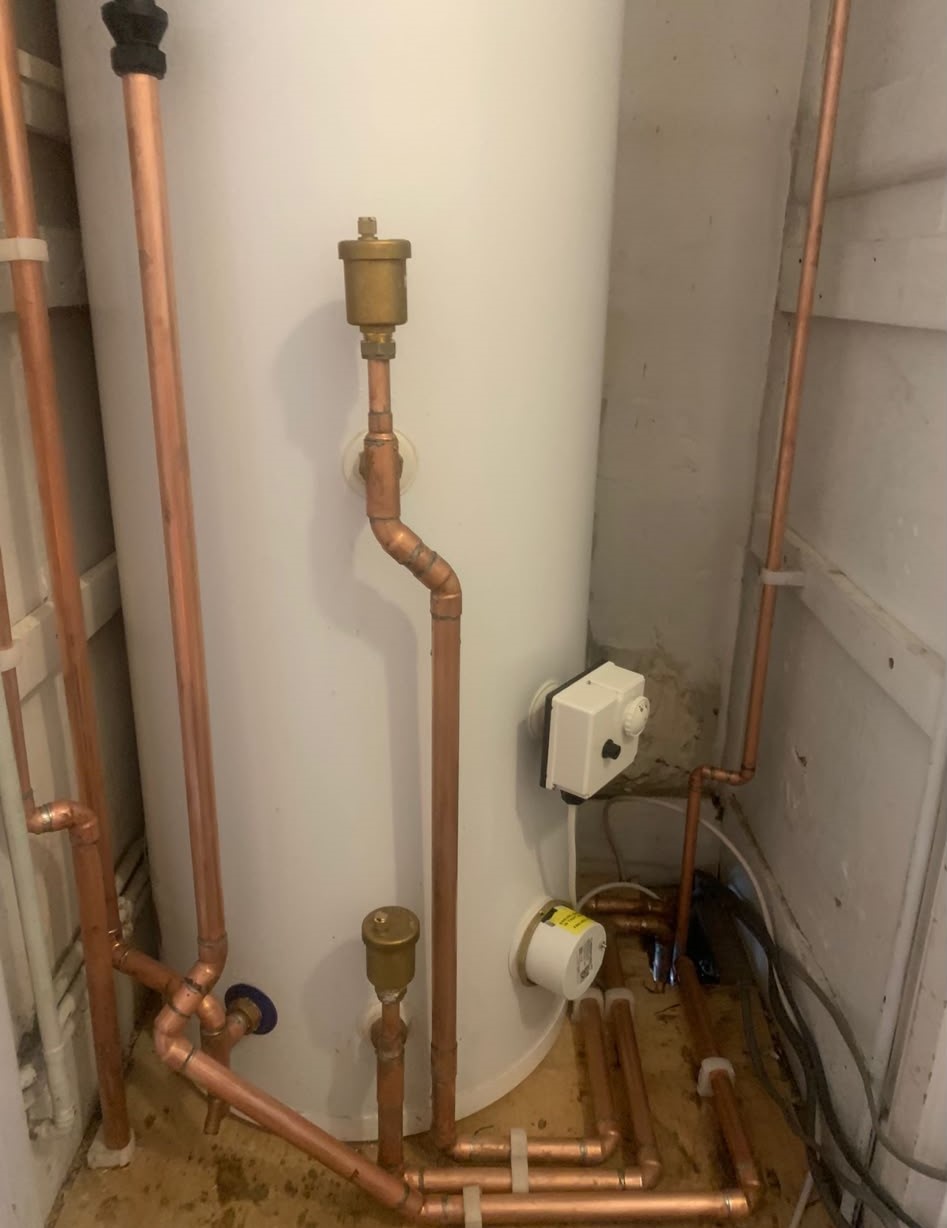
What are the disadvantages of an unvented hot water cylinder?
The main disadvantages of an unvented hot water cylinder are that it depends entirely on incoming mains pressure and flow, it needs more space and safety pipework than a vented tank, it must be serviced annually by a qualified engineer, and a failure leaves you with no stored backup supply.
Call Heating Services Ltd about your unvented cylinder and one of our own Gas Safe engineers will diagnose, service or replace it, usually on the same day.
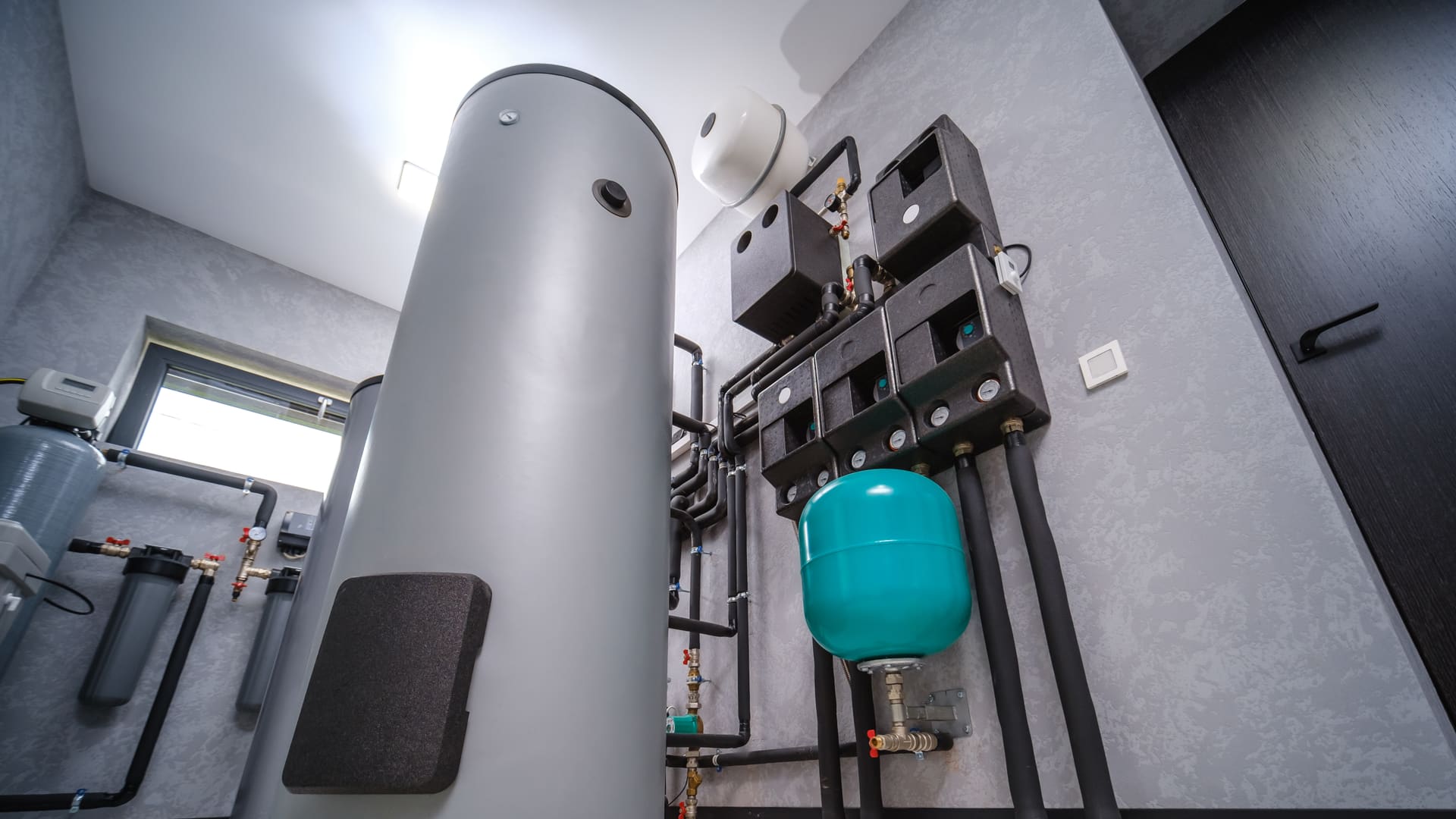
Mains pressure and flow set the limits
An unvented cylinder has no cold water tank feeding it from the loft. It takes water straight off the mains, heats it, and pushes it out at close to mains pressure. That is the reason people fit them, and it is also the reason they occasionally disappoint. If the incoming main is weak, narrow or shared, the cylinder cannot invent pressure that was never there in the first place. A property on an old lead or 15mm supply, or one at the end of a long run on a hill, may see a poor shower even with a brand new cylinder sat in the airing cupboard.
Flow rate matters as much as pressure. Run two showers and a kitchen tap together and the mains has to supply all of them at once. With a vented system and a pump, the tank buffers that demand. With an unvented setup, everything draws from the same pipe at the same moment. Any competent engineer will gauge the static pressure and the litres per minute before quoting, because that measurement decides whether the upgrade is worth doing at all.
There is also the mains outage problem. Lose the water supply and a vented system will still trickle out of the loft tank for a while. An unvented cylinder gives you nothing, because the pressure that pushes the hot water out has gone. It is a small thing most of the year and an irritation on the day the street main is being dug up. We cover the whole area, and the first thing the engineers do is test what the mains can actually deliver.
Call Heating Services Ltd about your unvented cylinder and one of our own Gas Safe engineers will diagnose, service or replace it, usually on the same day.
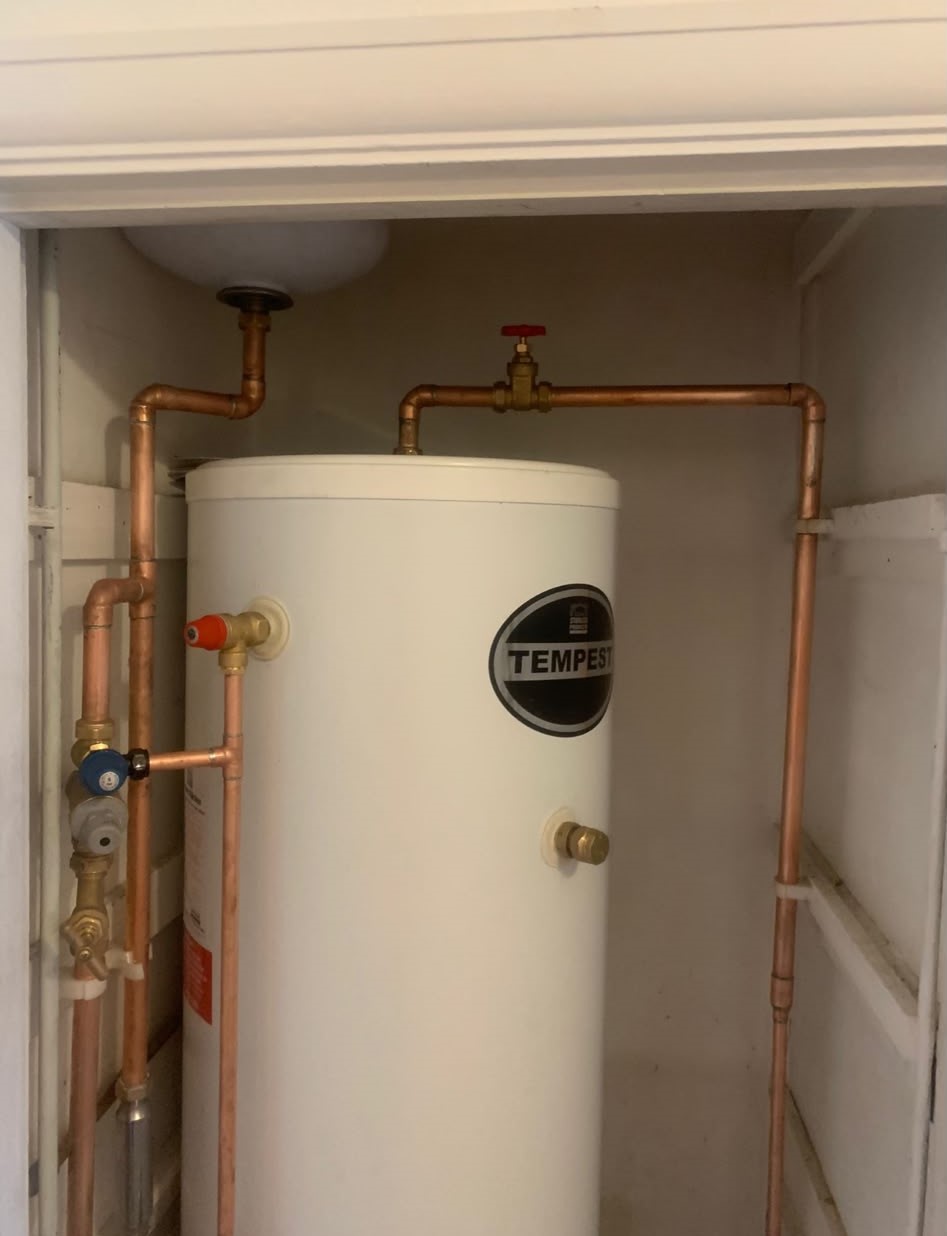
Space, pipework and the cost of doing it properly
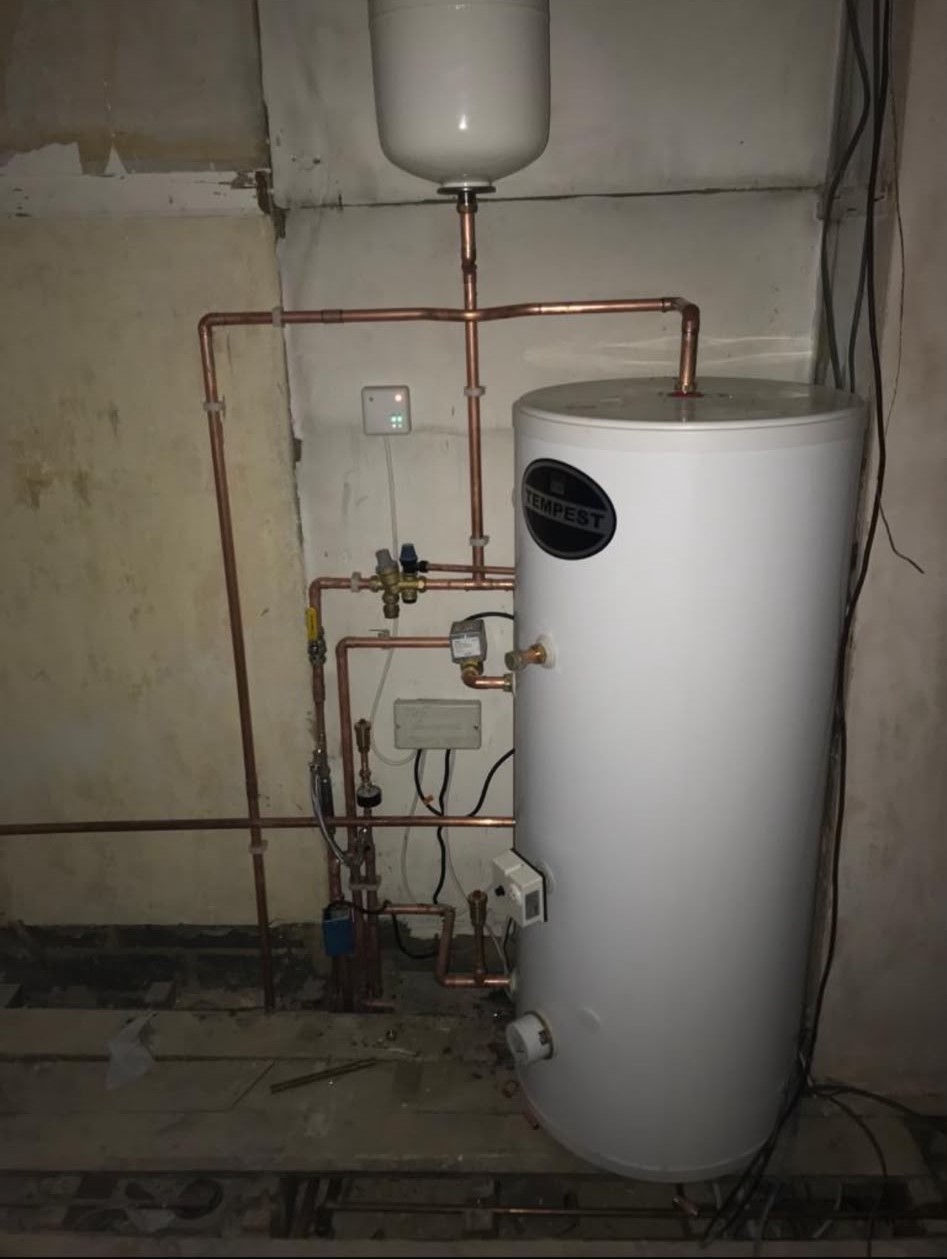
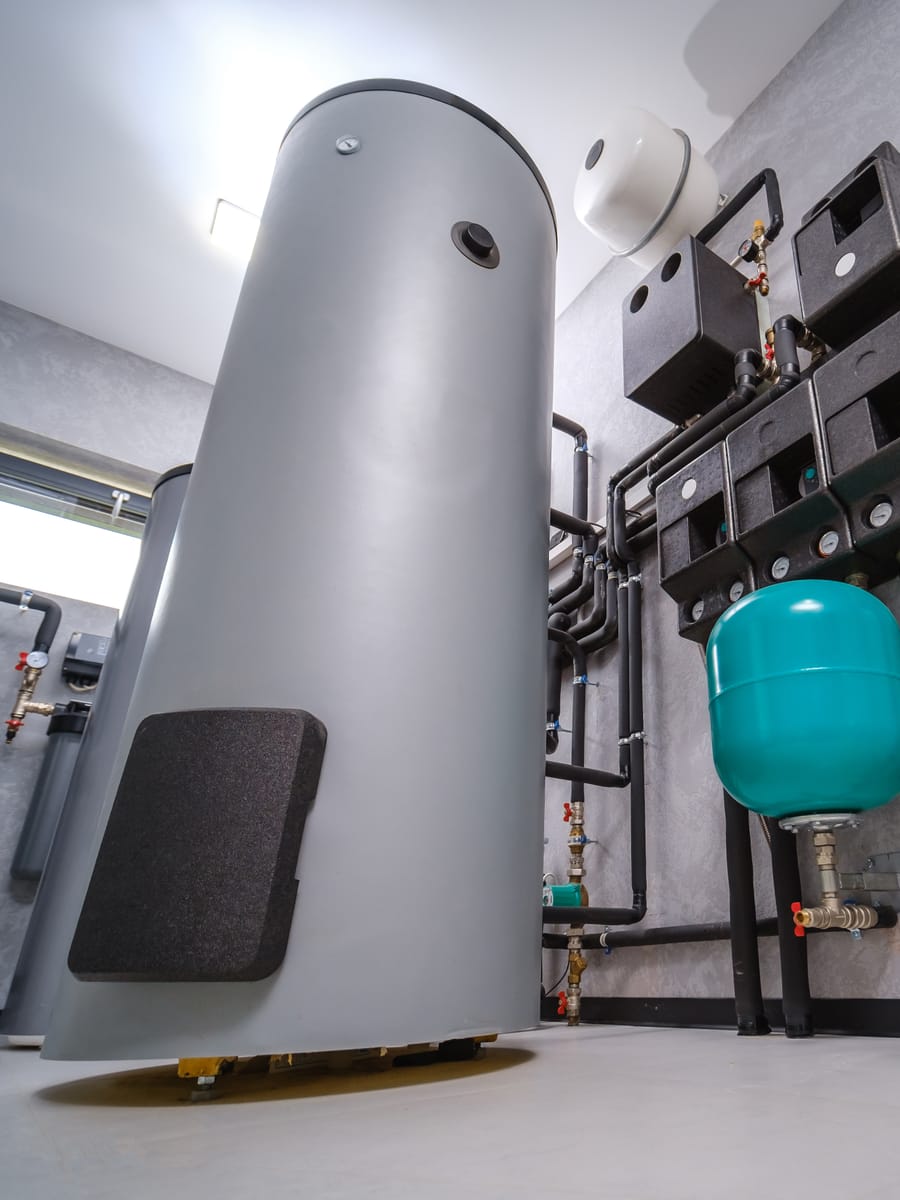
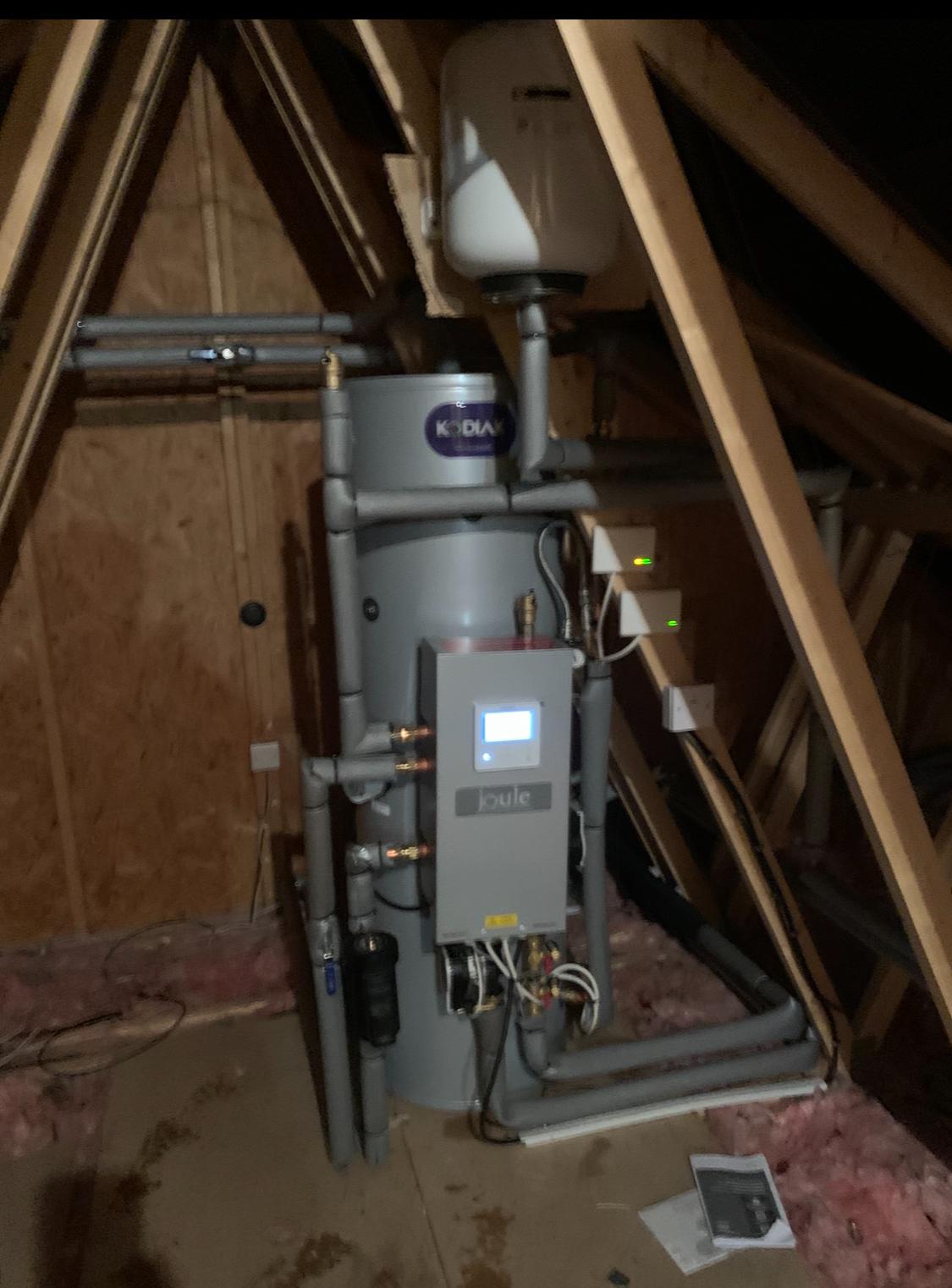
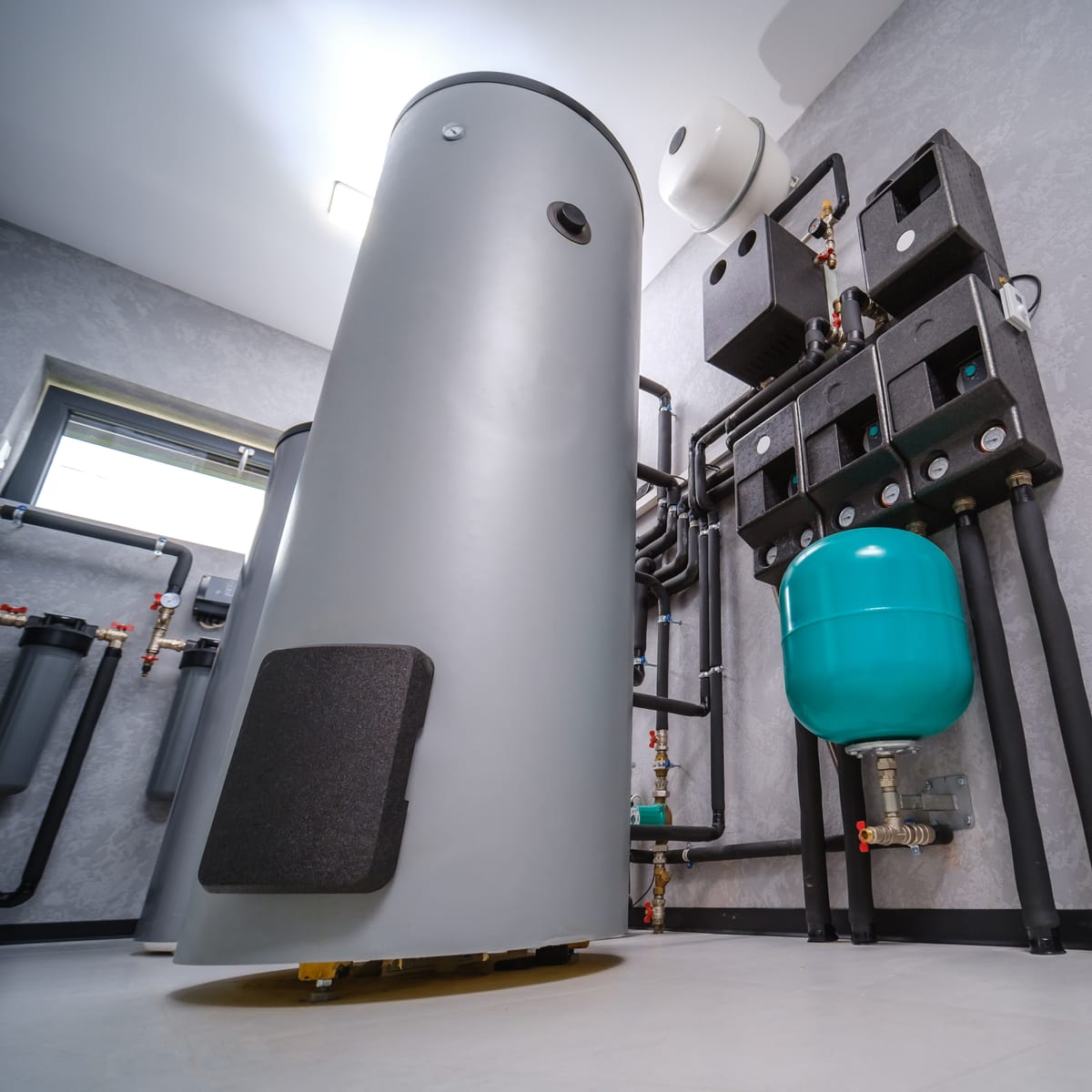
A vented tank is a simple copper vessel. An unvented cylinder is a sealed pressure vessel with an expansion vessel, a pressure reducing valve, an expansion relief valve, a temperature and pressure relief valve, and a tundish with a discharge pipe that has to run safely to outside. All of that takes room. On paper the cylinder replaces the loft tank and frees up space upstairs, but the cupboard it sits in often needs to be bigger than homeowners expect, and the discharge pipe route is the detail that catches people out. It has to fall continuously, terminate somewhere safe, and be in the right material and diameter. In a mid-terrace or a flat with no convenient external wall, that route can be the hardest part of the job.
Because of the pressure vessel and the safety kit, installation is a bigger piece of work than swapping a tank. Building Regulations treat unvented systems as controlled work, so the installation must be carried out by someone holding the correct unvented qualification and notified properly. Bodies such as the Chartered Institute of Plumbing and Heating Engineering have long made the point that the safety devices are not optional extras, they are the whole reason the system is allowed indoors. Cutting corners on them is how you end up with a scalding discharge or a vessel under stress. We cover the whole area, and the work is carried out by our own locally based engineers rather than subcontracted out.
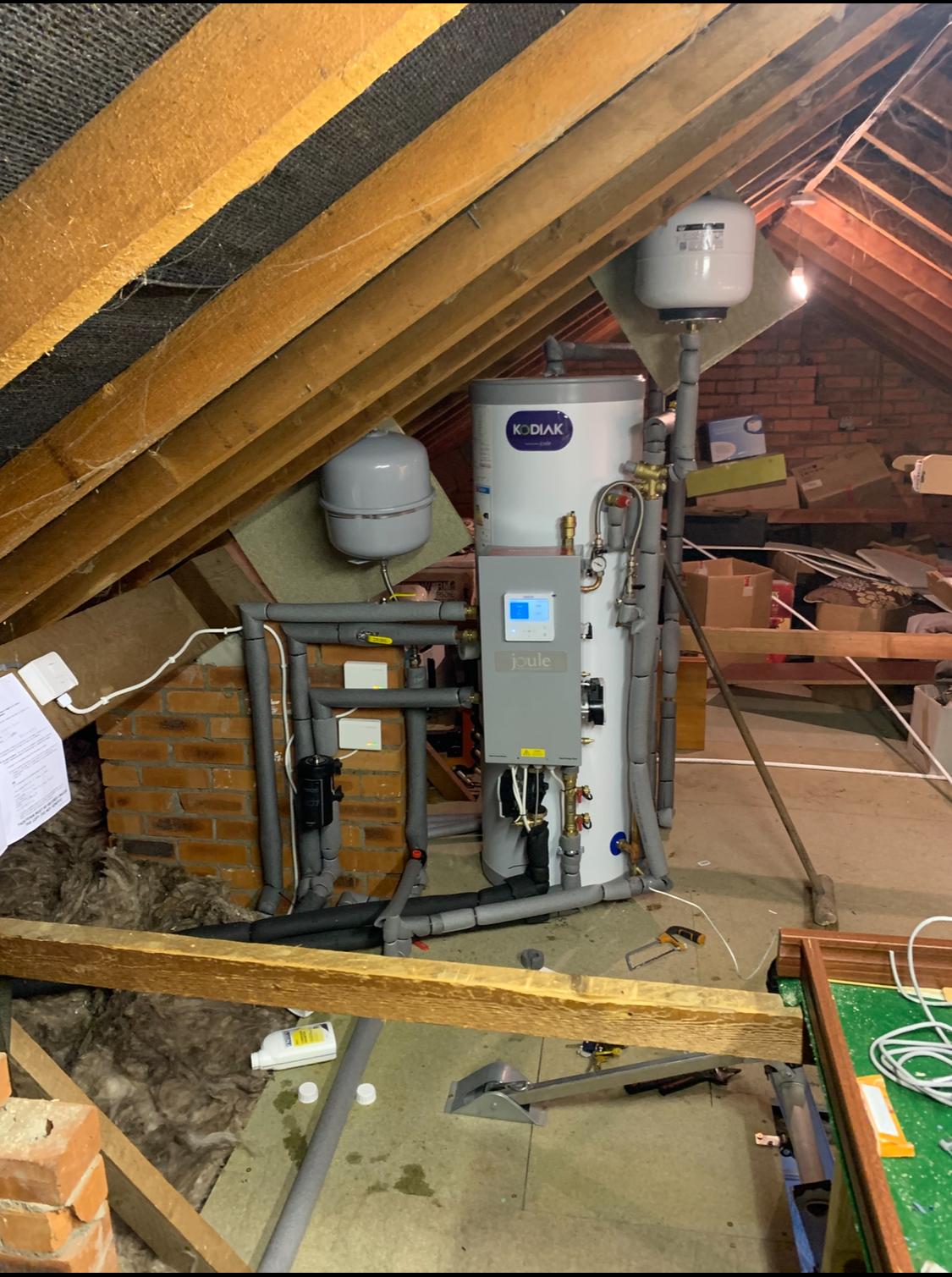
Servicing, wear parts and what fails
This is the disadvantage veterans of the trade point to most often. An unvented cylinder needs an annual service. The expansion vessel loses its air charge, so it needs recharging or replacing. The relief valves need checking and can weep or stick. The sacrificial anode or immersion heater has a working life. Skip the service for five years and you get the classic symptoms: water dripping from the tundish, pressure spikes when the cylinder heats, a knocking pipe, or hot water that runs cool halfway through a shower. None of that happens with a vented tank, which is largely fit and forget.
Servicing also means the guarantee stays intact. Most manufacturers void cover on an unserviced cylinder, so the annual visit is not a nicety, it is the condition on which the warranty rests. Our own workmanship carries a guarantee of up to ten years on qualifying work, and keeping the service record straight is what protects it.
The other thing to accept is that when an unvented system fails, it usually fails completely. A stuck valve or a dead immersion means no hot water at all, not a reduced supply. That is why response time matters so much on this kind of kit. Same-day attendance is what this firm is known for, and because the engineers are spread across the region rather than driving out from one depot, someone can usually be with you the day you call. If you are searching for an engineer near you for a leaking tundish or a cold cylinder, there is very likely one working close by today. Alongside repairs, our unvented cylinder installation services cover full replacement where a cylinder has reached the end of its life rather than simply needing a part.
When the drawbacks are worth accepting
None of this makes unvented cylinders a bad choice. For most homes with a decent mains supply and more than one bathroom, balanced pressure at every tap, no loft tank, no pump noise and a faster filling bath easily outweigh the servicing and the space. The drawbacks bite in specific situations: a poor incoming main, a property with nowhere sensible to run a discharge pipe, a household that will not book an annual service, or a very small flat where a combi does the job with less hardware.
The honest answer is that the disadvantages are manageable ones, provided the system is sized against a measured mains supply, installed with the safety pipework done correctly, and serviced every year. Get any of those three wrong and the cylinder will remind you. David heads a team of local expert engineers working across Surrey, London and the South East, covering hot water cylinder repair as well as new installation, and the same people who fit a cylinder are the ones who come back to service it.
- No pressure of its own: a weak or shared mains supply limits performance no matter how good the cylinder.
- More hardware, more space: expansion vessel, relief valves and a safe discharge route all need room.
- Annual servicing is mandatory: skip it and both performance and the guarantee suffer.
- No backup store: a mains interruption means no hot water at the taps.
- Failures tend to be total: which is why a fast local response counts more than it does on a vented tank.
Call Heating Services Ltd about your unvented cylinder and one of our own Gas Safe engineers will diagnose, service or replace it, usually on the same day.