Radiators are the quiet workhorses of a heating system, and most people only wonder how long they should last when one starts weeping onto the skirting board.
At a Glance
- Typical house radiators give 15 to 25 years, with cast iron often lasting far longer.
- Internal corrosion and sludge, not age, are what usually finish a radiator off early.
- Cold bottoms, repeated bleeding, rust staining and weeping seams are the warning signs.
- Inhibitor, a magnetic filter and a properly balanced system add years to every panel.
Whether you need radiator installations & repair or radiator fitting in Cheshunt, we cover the whole area with the firm's own locally based Gas Safe engineers, never subcontractors, and many five-star reviews on the widget to back it up.
Tell us what your radiator is doing and one of the team will take a look.
What is the average life expectancy of a house radiator?
Most house radiators last somewhere between 15 and 25 years, and a well looked after panel radiator on clean, inhibited system water can run considerably longer than that. What kills a radiator early is almost never age on its own: it is sludge, corrosion, trapped air and poor water treatment doing quiet damage from the inside.
Ring Heating Services Ltd today about a leaking, cold or tired radiator and we will usually get an engineer out to you the same day.
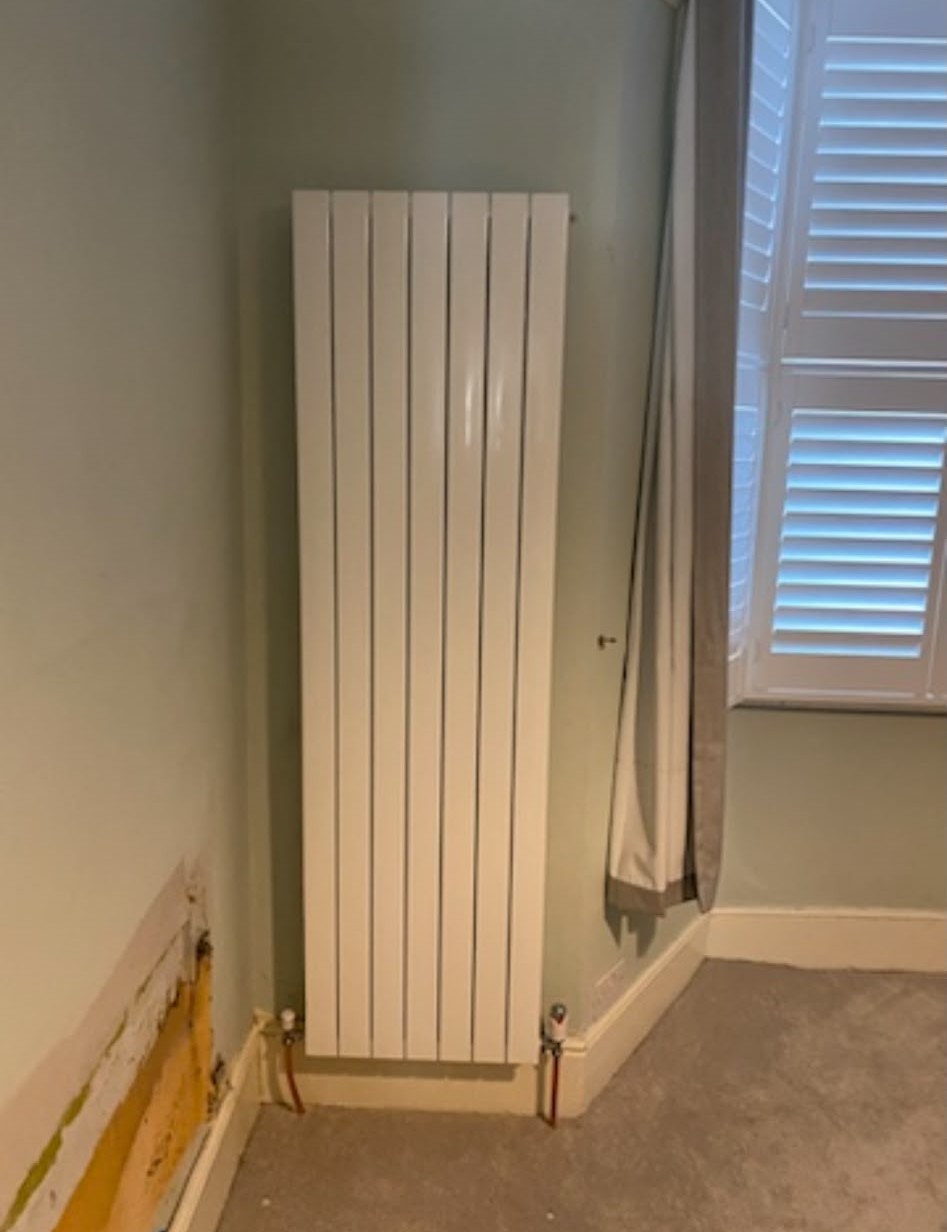
What actually wears a radiator out
A steel panel radiator rusts from the inside out. Once oxygen gets into the system water, iron oxide forms, drops out as black sludge and settles along the bottom of the panel. That sludge holds moisture against the steel, cold spots appear across the lower third, and eventually a pinhole weeps through where the metal has thinned. Anyone who has swept up a rust-stained carpet under a leaking valve tail has seen the end of that process.
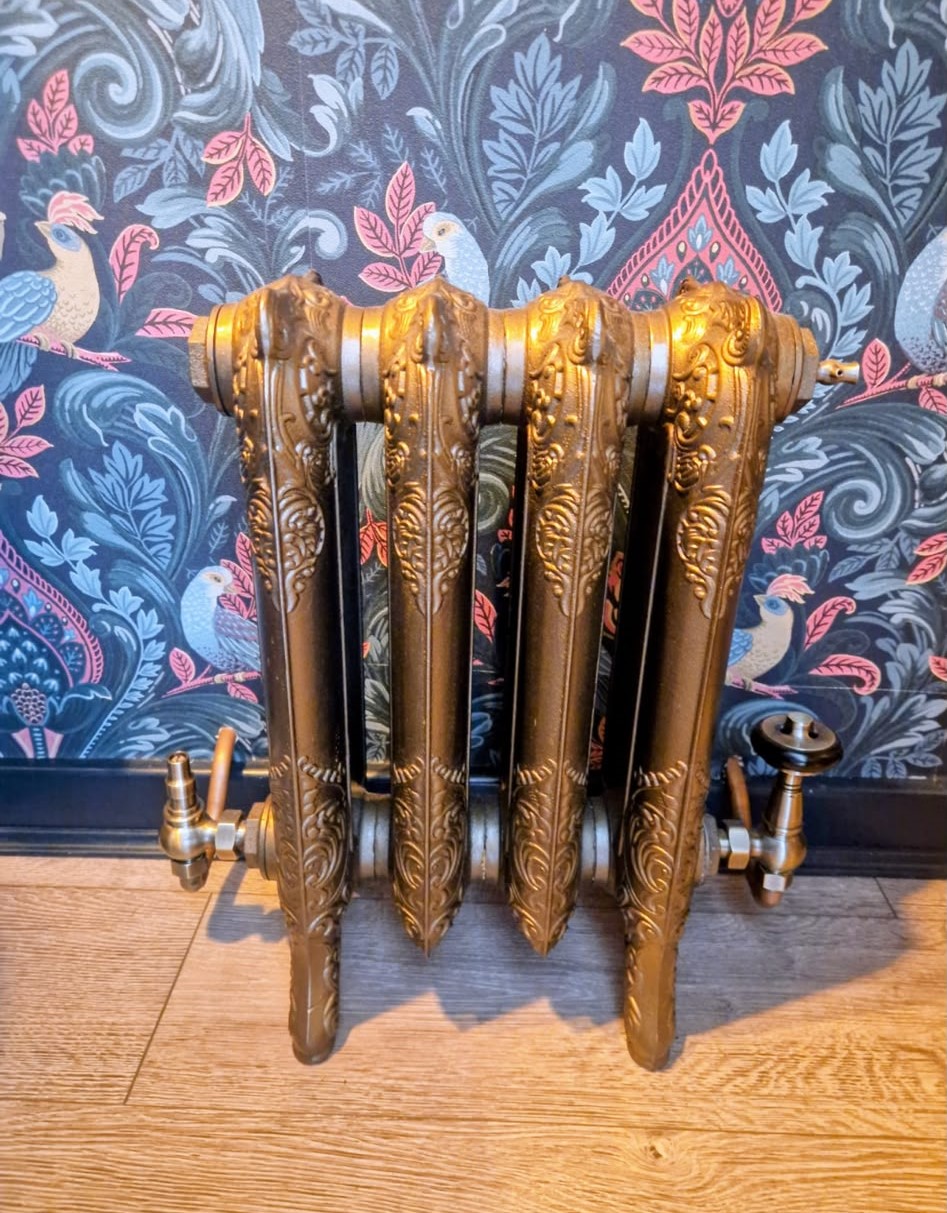
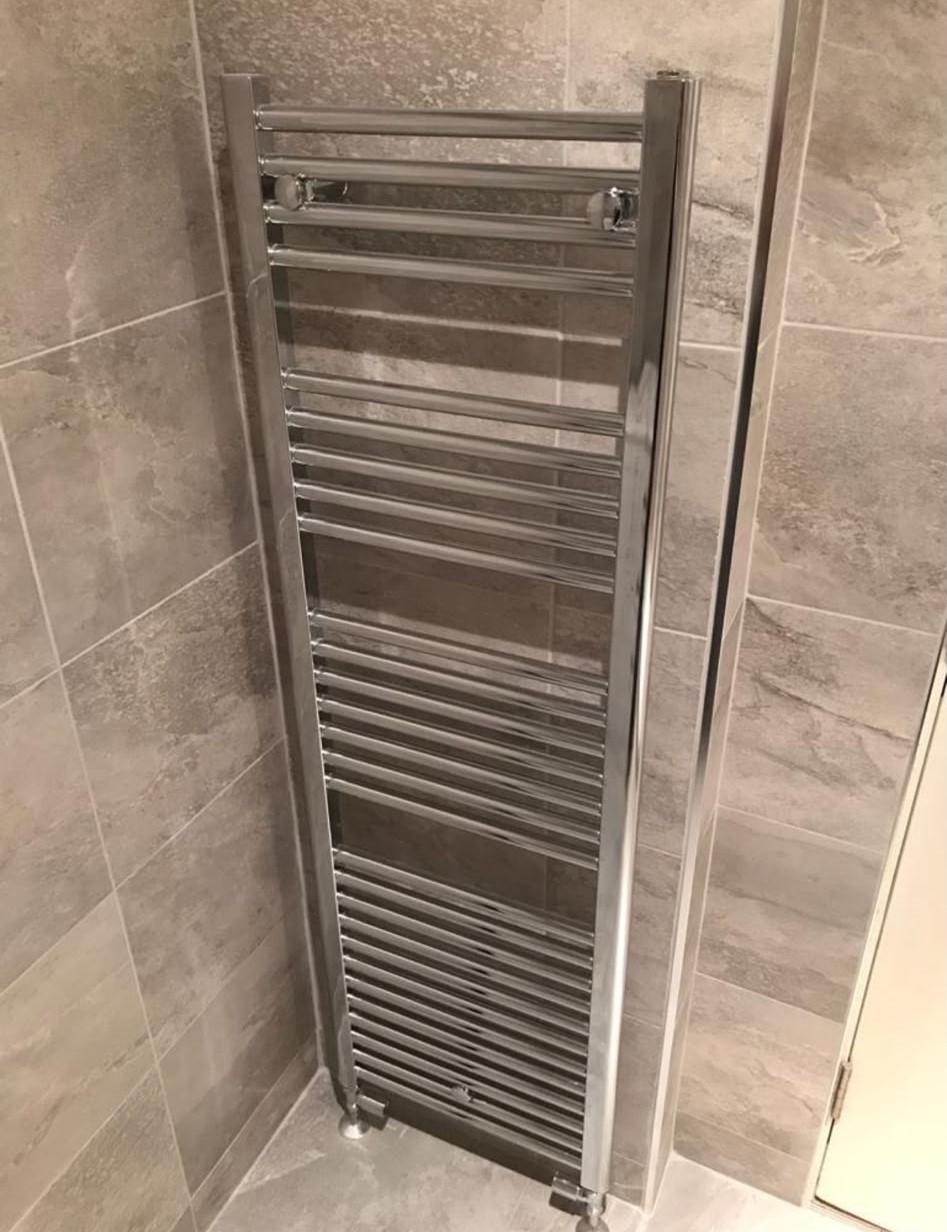
The other common culprits are mechanical. Valve tails and unions loosen with years of expansion and contraction. Bleed points seize and get forced. Towel rails in bathrooms cop constant humidity on the outside as well as the inside. Cast iron column radiators, by contrast, can survive a century if the joints and gaskets are maintained, which is why plenty of Victorian houses still run originals.
Whether you need radiator installations & repair or radiator repair services Staines-upon-Thames, we cover the whole area, and the honest answer on any given radiator is usually visible within a few minutes of feeling it top and bottom.
Signs a radiator is nearing the end
There is a difference between a radiator that needs attention and a radiator that has run its course. Worth watching for:
- Cold at the bottom while hot at the top, repeatedly, even after balancing and a system flush.
- Rusty streaks or brown staining under valves, or damp patches on skirting and flooring.
- Weeping seams, blistered paint or a bulge in the panel face.
- Air needing bleeding every few weeks, which points to corrosion generating hydrogen inside the system.
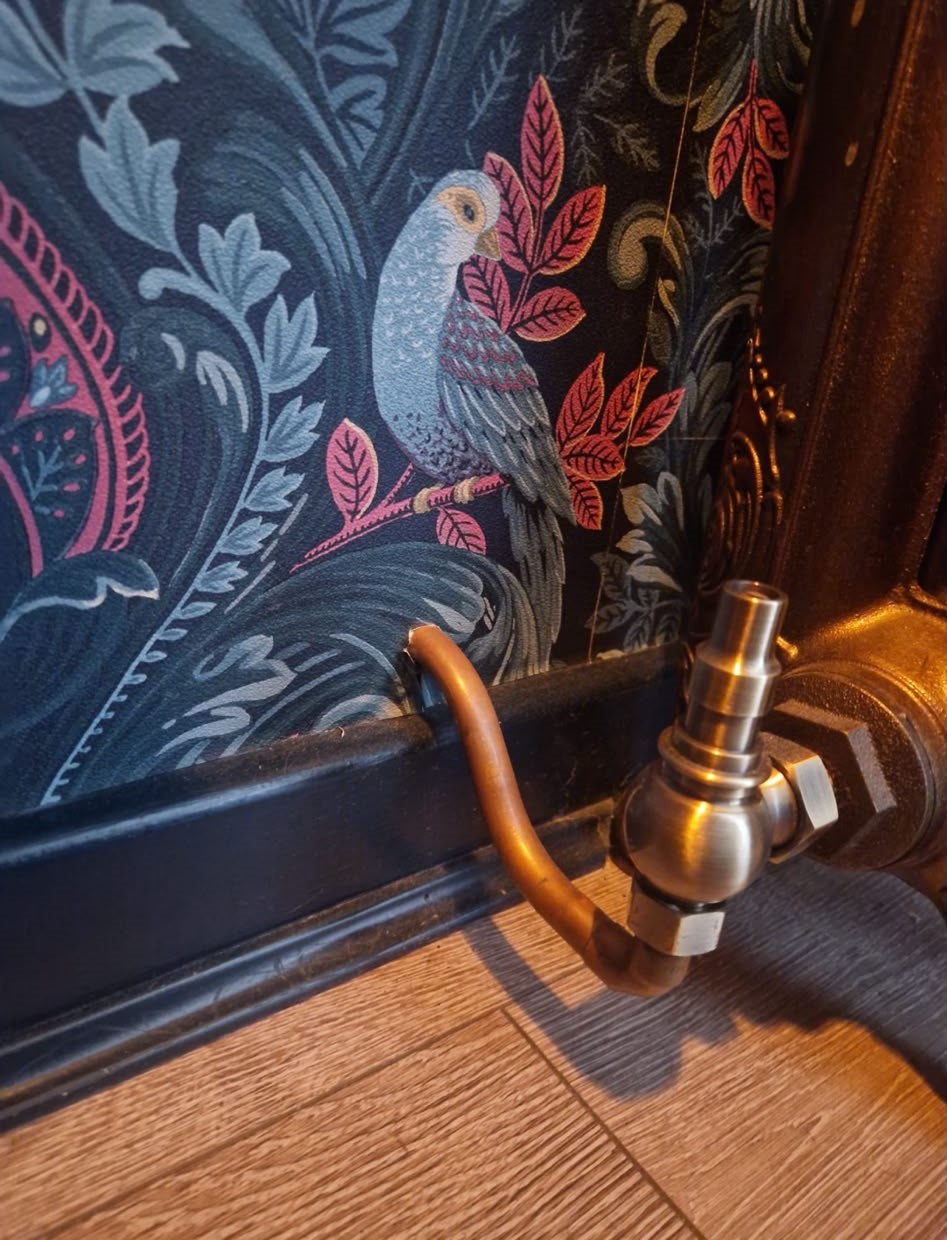
- Valve tails that will not seal no matter how carefully they are remade.
A single cold radiator on an otherwise healthy system is often just a blockage or a stuck thermostatic head, and a repair is the sensible call. Several tired radiators, black water and pinholes appearing one after another usually mean it is time to plan replacements rather than keep patching. Whether you need radiator installations & repair or radiator replacement services Wood Green, we cover the whole area, and the team will tell you plainly which of the two you are looking at.
Ring Heating Services Ltd today about a leaking, cold or tired radiator and we will usually get an engineer out to you the same day.
How to get more years out of the radiators you have
Radiator life is mostly about water quality. Keep the system dosed with corrosion inhibitor, top it up after any drain-down, and fit a magnetic filter on the return so circulating debris gets caught rather than settling in the panels. Have the inhibitor level checked when the boiler is serviced, because it depletes over time and an empty system is a system quietly eating itself.
Beyond that, balance the system so every radiator gets its share of flow, keep thermostatic valves moving rather than leaving them shut all summer, and get small weeps dealt with early instead of sliding a towel underneath and hoping. Where sludge has already built up, a power flush or chemical clean can buy years. The Chartered Institute of Plumbing and Heating Engineering has long promoted proper water treatment as central to heating system longevity, and in practice it is the single biggest factor in whether a radiator reaches 15 years or 30.
Repair or replace, and who does the work
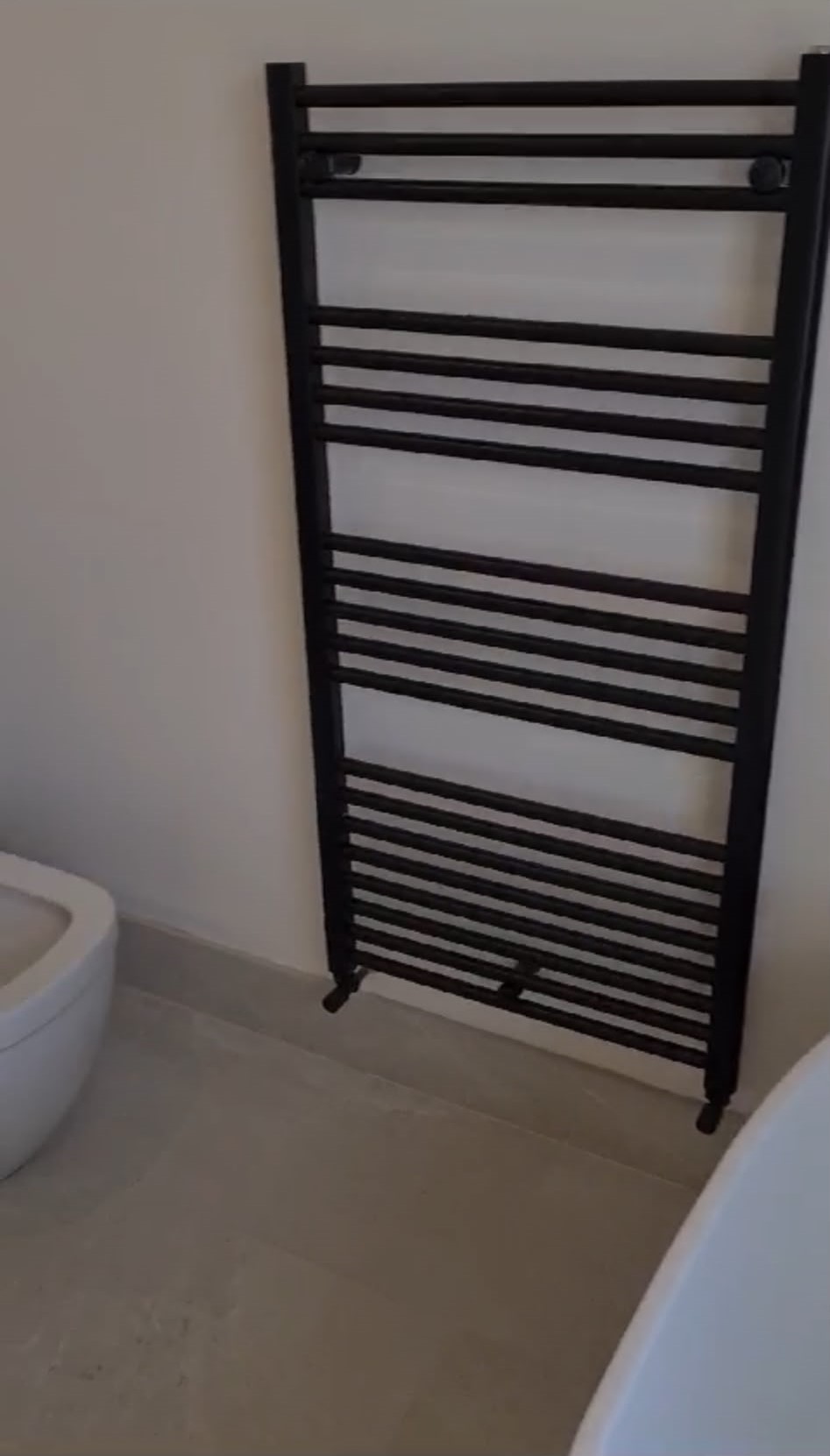
Replacing a radiator is a straightforward job for an experienced heating engineer: isolate, drain what needs draining, remake the tails, hang the new unit level, refill, re-dose and rebalance. Done properly it is tidy and quick. Done badly it introduces air, leaves debris in the pipework and shortens the life of everything downstream. Radiator fitting is also the moment to reconsider sizing, since older houses that have since been insulated are often running panels far larger than they now need.
David heads a team of the firm's own locally based Gas Safe engineers covering Surrey, London and the South East, established as a business since 2008 and with David's own experience in the trade running past 21 years. If you are hunting for a heating engineer close to home to look at a leaking or cold radiator, there are engineers based near most of the towns covered, so someone can usually reach you fast. Same-day attendance on breakdowns is what this firm is known for, and most radiator faults are sorted on that first visit. Installation work is guaranteed for up to ten years.
Repairs and replacements come from the same team, so nobody is going to push a new radiator on you when a valve, a flush or a proper balance would do the job.
Ring Heating Services Ltd today about a leaking, cold or tired radiator and we will usually get an engineer out to you the same day.