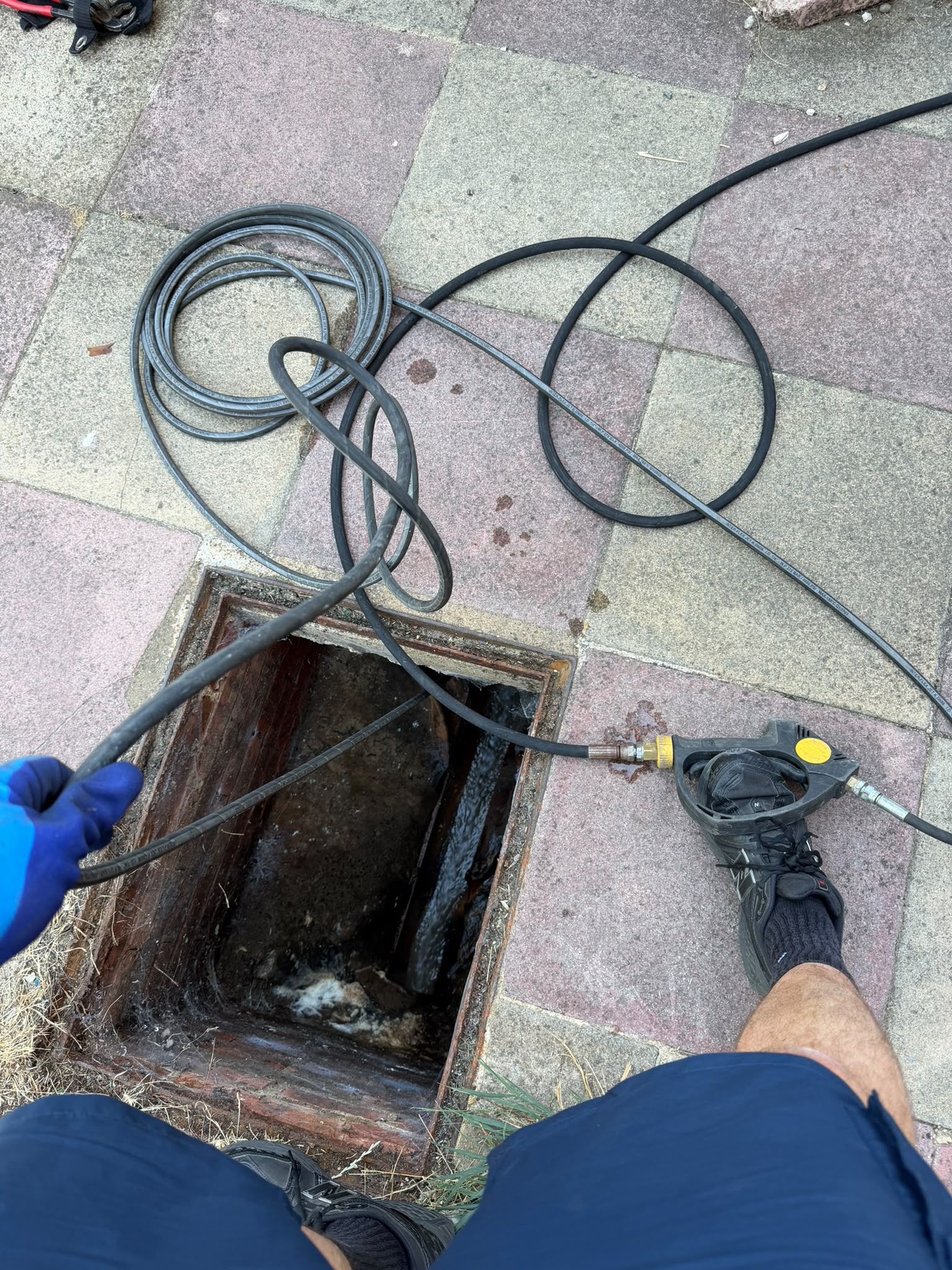
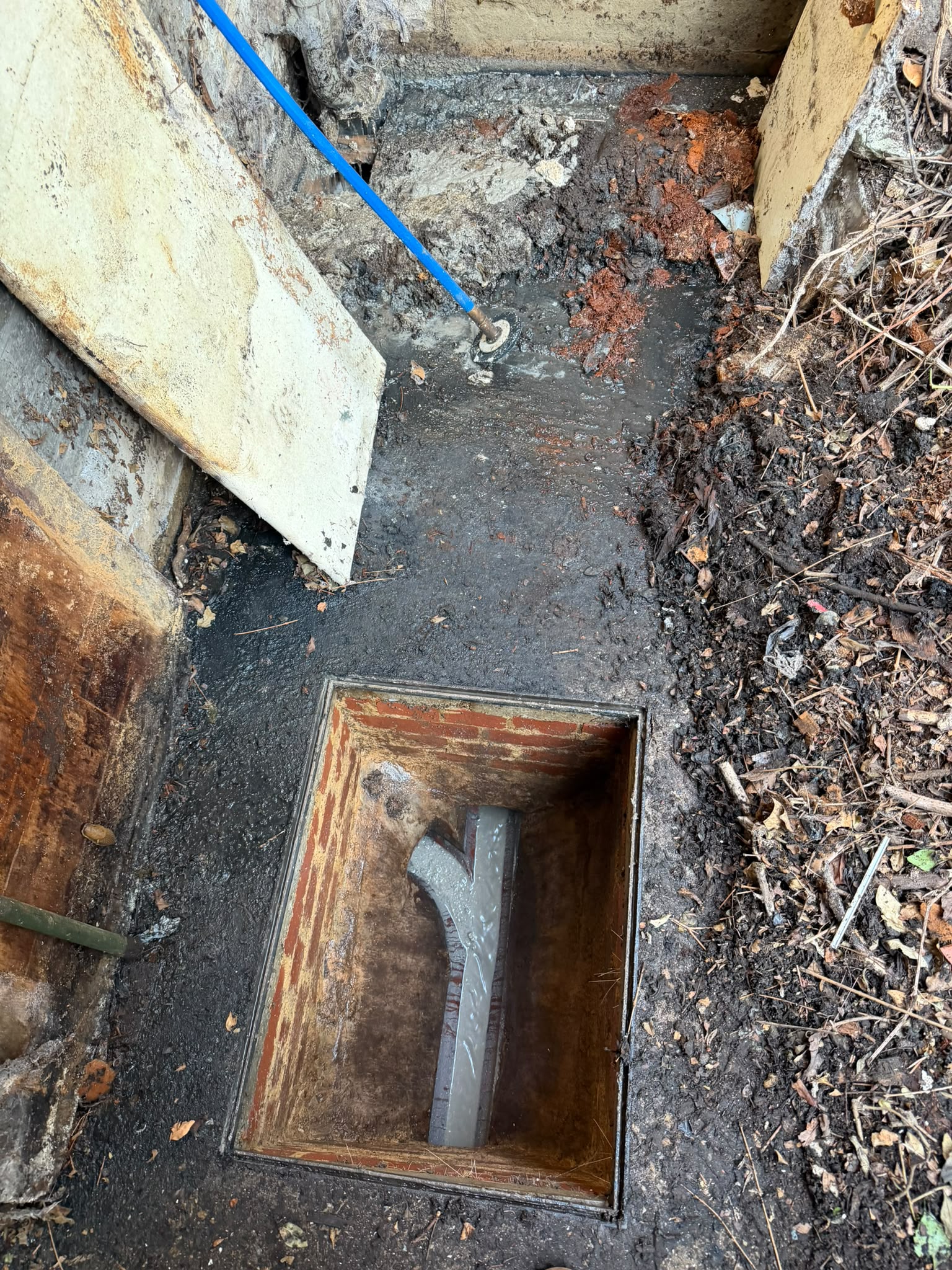
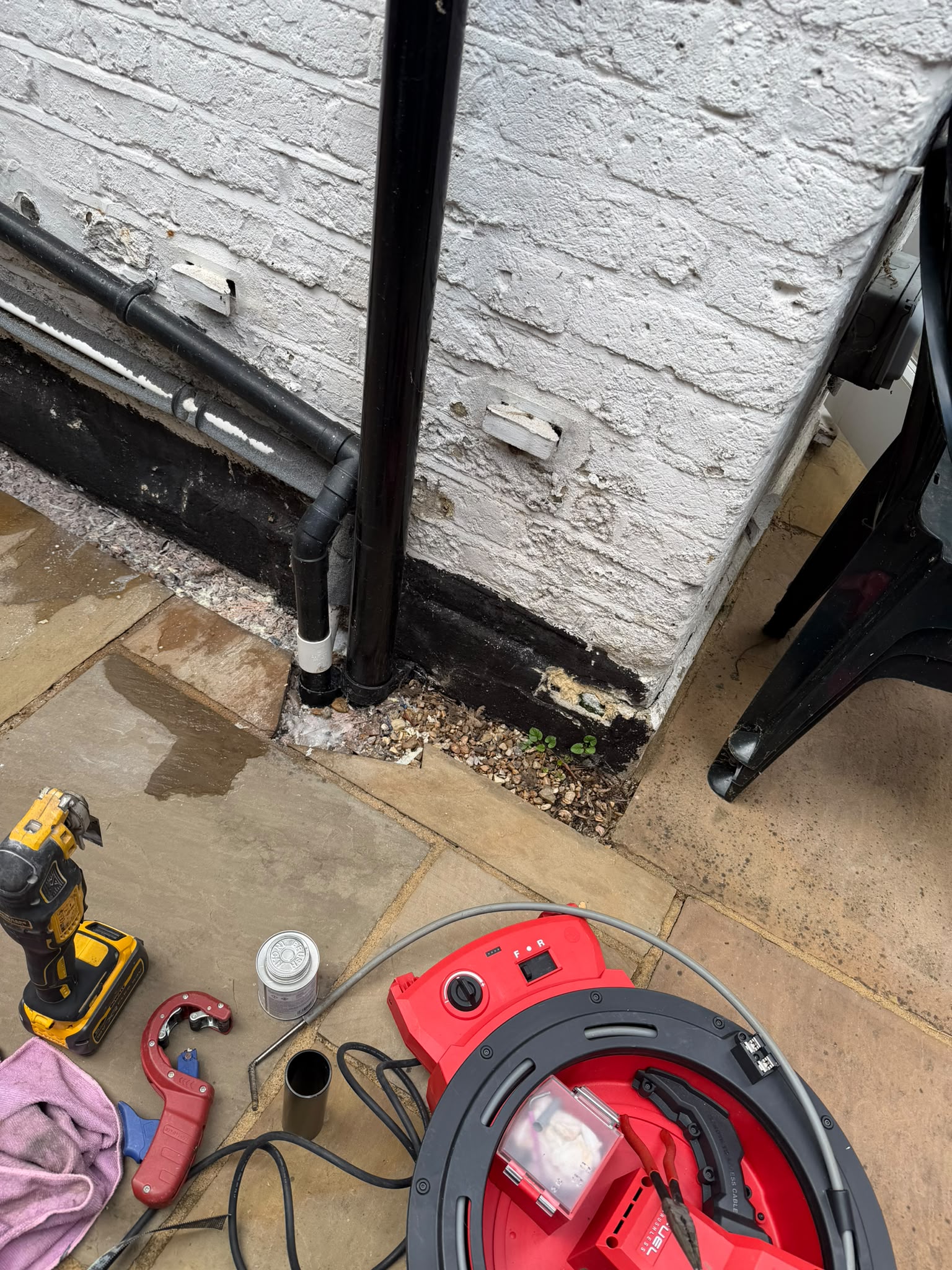
Ring the wrong people about a drain and you can lose a day being passed between offices while the water keeps rising. We carry out Drain Repairs across Surrey, London and the South East, and we would rather you spent ten minutes here than an afternoon on hold.
Key Takeaways
- Which drains are yours, the sewerage company's or the council's
- The evidence to gather before you report a drainage problem
- Signs that point to a private fault rather than a public sewer
- What you can safely clear yourself and when to stop
Heating Services Ltd is Gas Safe registered and has worked across the area since 2008, with its own local drainage engineers rather than subcontractors. From drain repairs throughout the region to a blocked drain in Cheshunt, we cover the whole area.
If the fault turns out to be yours, ask Heating Services Ltd for a clear written quote anywhere in Surrey, London and the South East today.
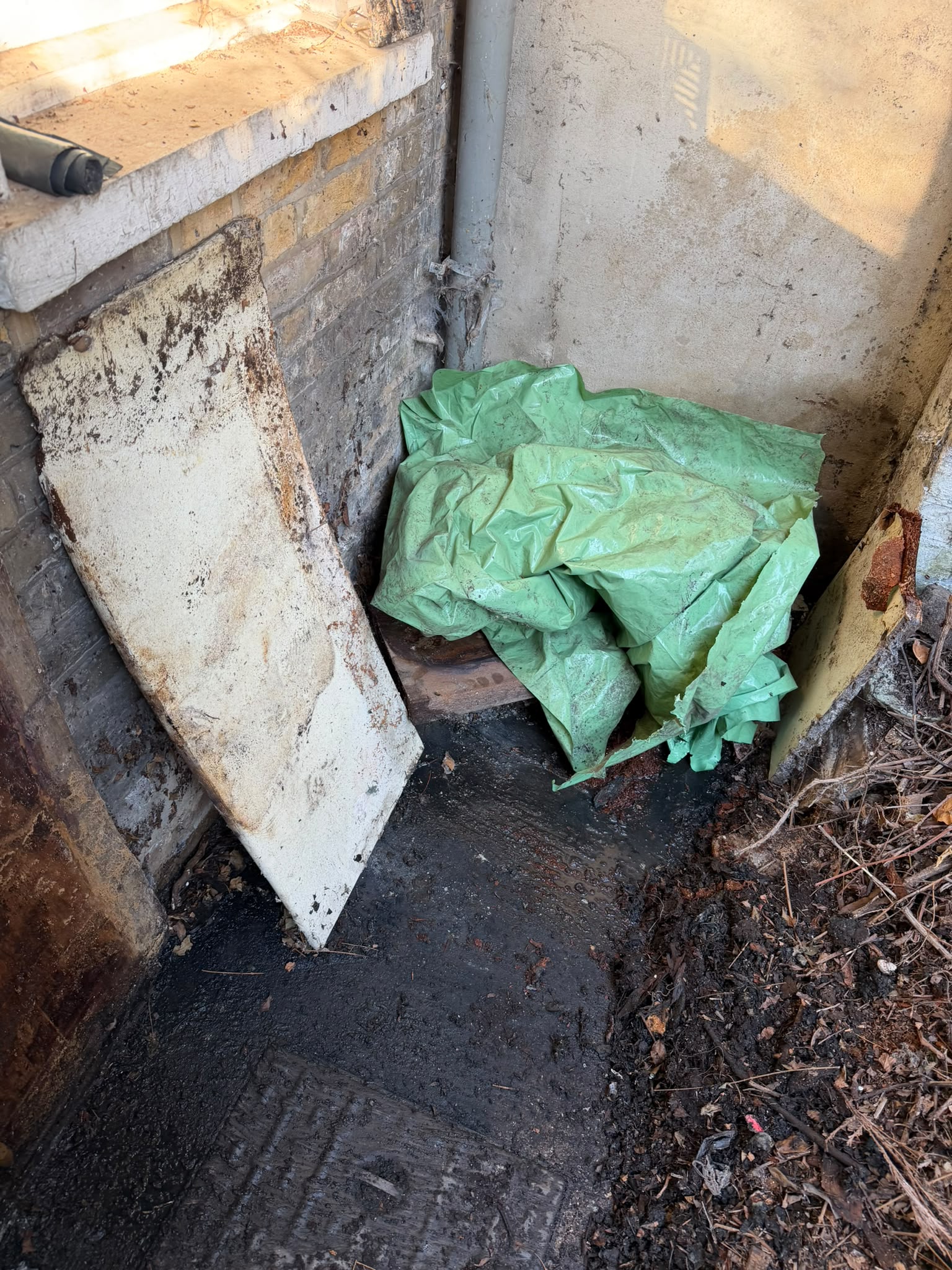
Who to contact about drains?
Who to contact about drains depends on where the fault sits: a problem inside your property boundary that serves only your home is yours, so contact a drainage engineer, while a shared or public sewer goes to your sewerage company, a road gully to the highway authority and river flooding to the Environment Agency.
If the fault sits on your side of the boundary, contact Heating Services Ltd and a local drainage engineer will find it by camera and put it right.
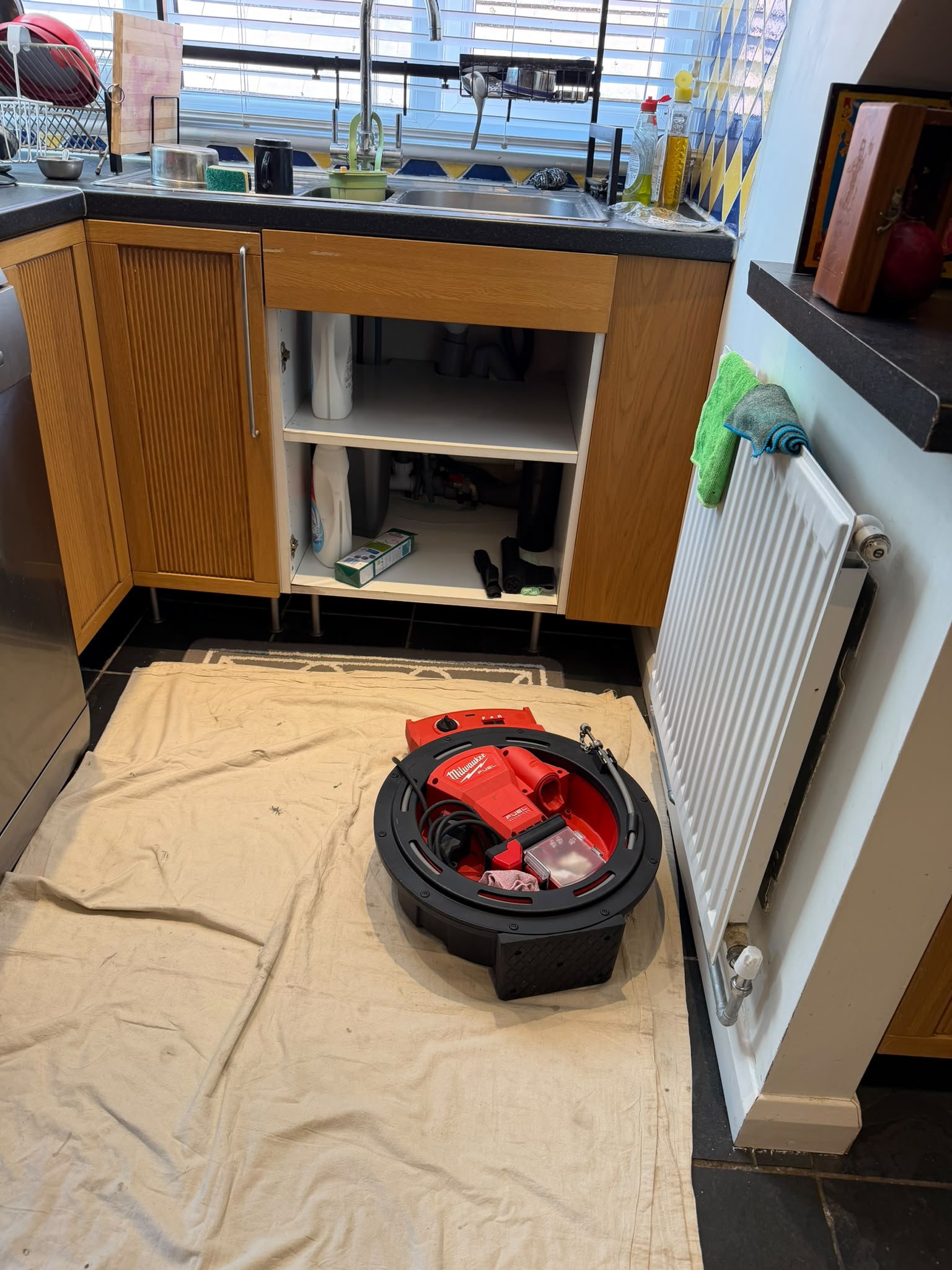
Tracing the pipe tells you whose problem it is
Start at the problem and work outward. Lift the first inspection cover on your land if it comes up easily, and look at what is happening inside. Then follow the pipe: where does it come from, where does it go, and does anyone else's waste run through it before the fault?
- A pipe serving only your property, inside your boundary: yours. You arrange and pay for the repair, so this is a job for a drainage engineer.
- A pipe shared with a neighbour, or a pipe beyond your boundary carrying your waste to the sewer: since the 2011 transfer of private sewers in England, these belong to the sewerage company. Report it to them.
- Public sewer blockages under the road or pavement: the sewerage company. This is not always the firm that supplies your water, so check your bill for the right name and number.
- Road gullies and the associated pipework draining the highway: the highway authority, which is usually the county council, or the borough council in London.
- Ditches, streams and other ordinary watercourses: the landowner next to them first, with the lead local flood authority, your county or unitary council, overseeing local flood risk.
- Main rivers overtopping their banks: the Environment Agency, through its incident hotline.
- A septic tank, cesspit or treatment plant: the owner of the property it serves.
For most homes the first two lines are the ones that matter. The dividing point is your boundary, plus whether a neighbour's waste joins the pipe upstream of the problem.
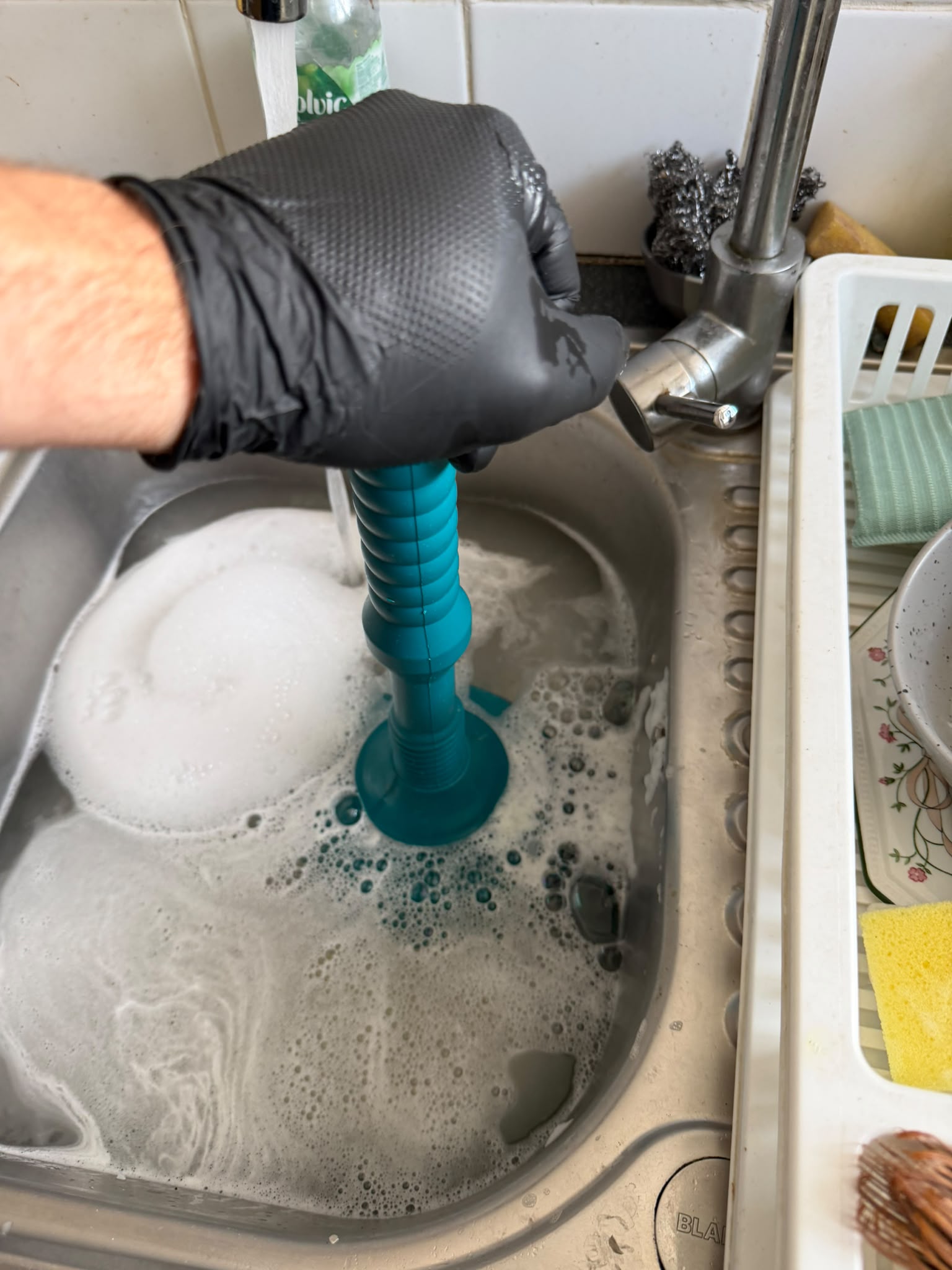
The rules on ownership and safety
Drainage responsibility is set by law, not by who noticed the smell first. The sewerage company owns the public sewers and the shared and lateral drains connecting to them. You own the private drain from your fittings to the point where it joins a shared pipe or leaves your land. Landowner responsibility also applies to watercourses: if a ditch or stream runs through or alongside your land, you are expected to keep it clear enough to flow.
Building work on drains falls under Part H of the Building Regulations. A new connection, a rerouted run or an extension built over an existing sewer needs building control approval and, where a public sewer is involved, the sewerage company's agreement before work starts.
The safety points are blunter:
- Never climb into a manhole or inspection chamber. Sewer gases collect in confined spaces and can overcome a person quickly.
- Sewage carries bacteria. Wear gloves, keep children and pets away, and wash thoroughly after any contact.
- Never mix drain chemicals, and do not pour them into a pipe that is already backing up, because they sit there and can splash back at you.
- If water is near electrics, only switch off at the consumer unit if you can reach it from somewhere dry.
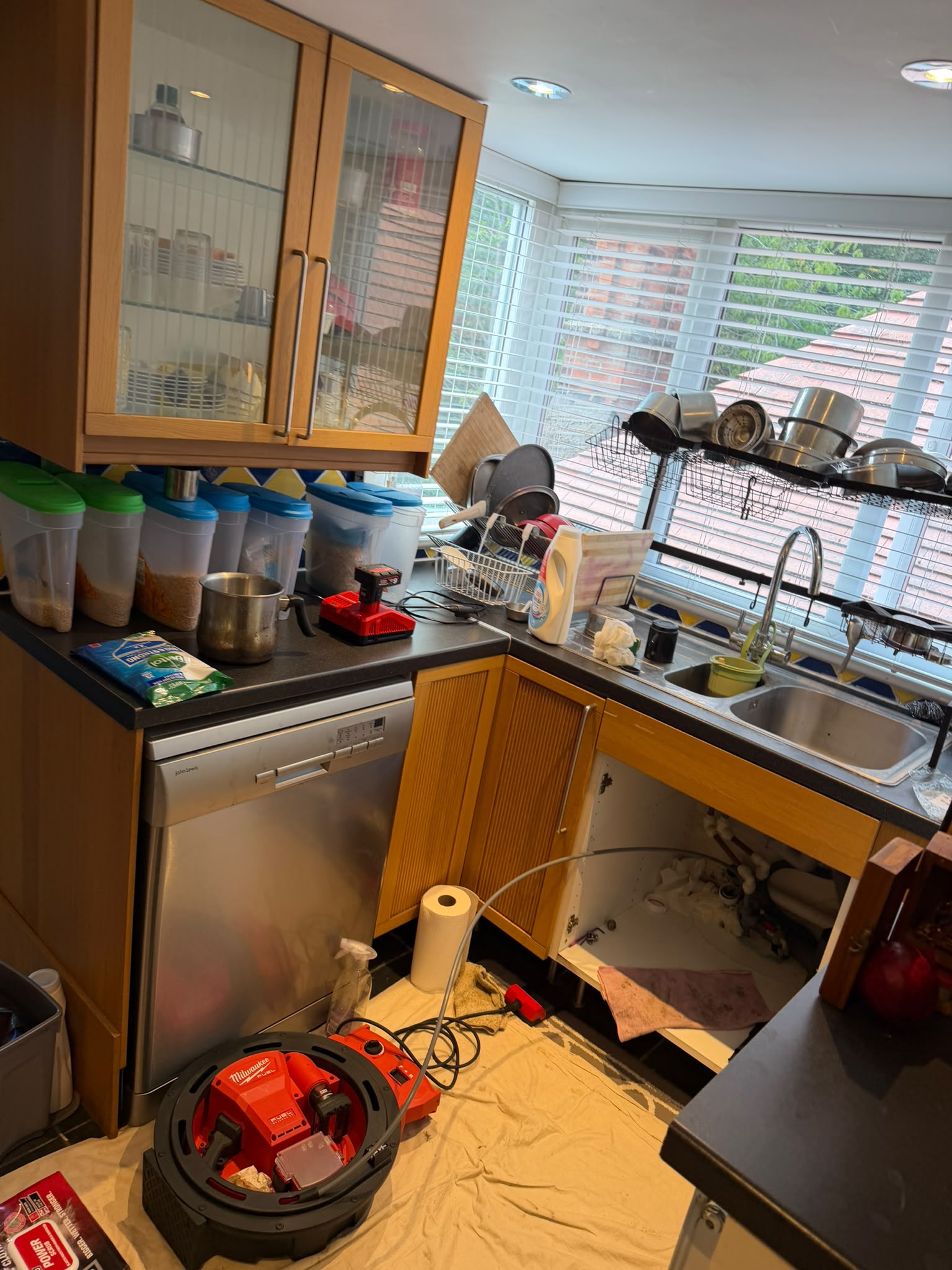
Signs that show where the fault sits
Where the water shows up, and how many properties it affects, tells you most of what you need to know.
- One sink or toilet slow while everything else drains: a local blockage in your own waste pipe.
- Every fitting backing up and your inspection chamber full: a blocked drain further down your run, or a shared pipe beyond it.
- Your chamber full and your neighbour's full as well: most likely a shared drain or public sewer, so report it to the sewerage company.
- Your chamber empty while the house backs up: the fault sits between the house and that chamber, on your side.
- Water pooling on the road around a gully: a highway drainage problem for the council.
- Sewage rising from a manhole in the street or into gardens: sewer flooding, reported to the sewerage company straight away.
- Rainwater running across land after a downpour, with no sewage in it: surface water flooding, reported to the lead local flood authority.
- Damp patches, sinking paving, rats or a smell that will not shift with no visible blockage: often a cracked or displaced private drain, which a CCTV survey can confirm.
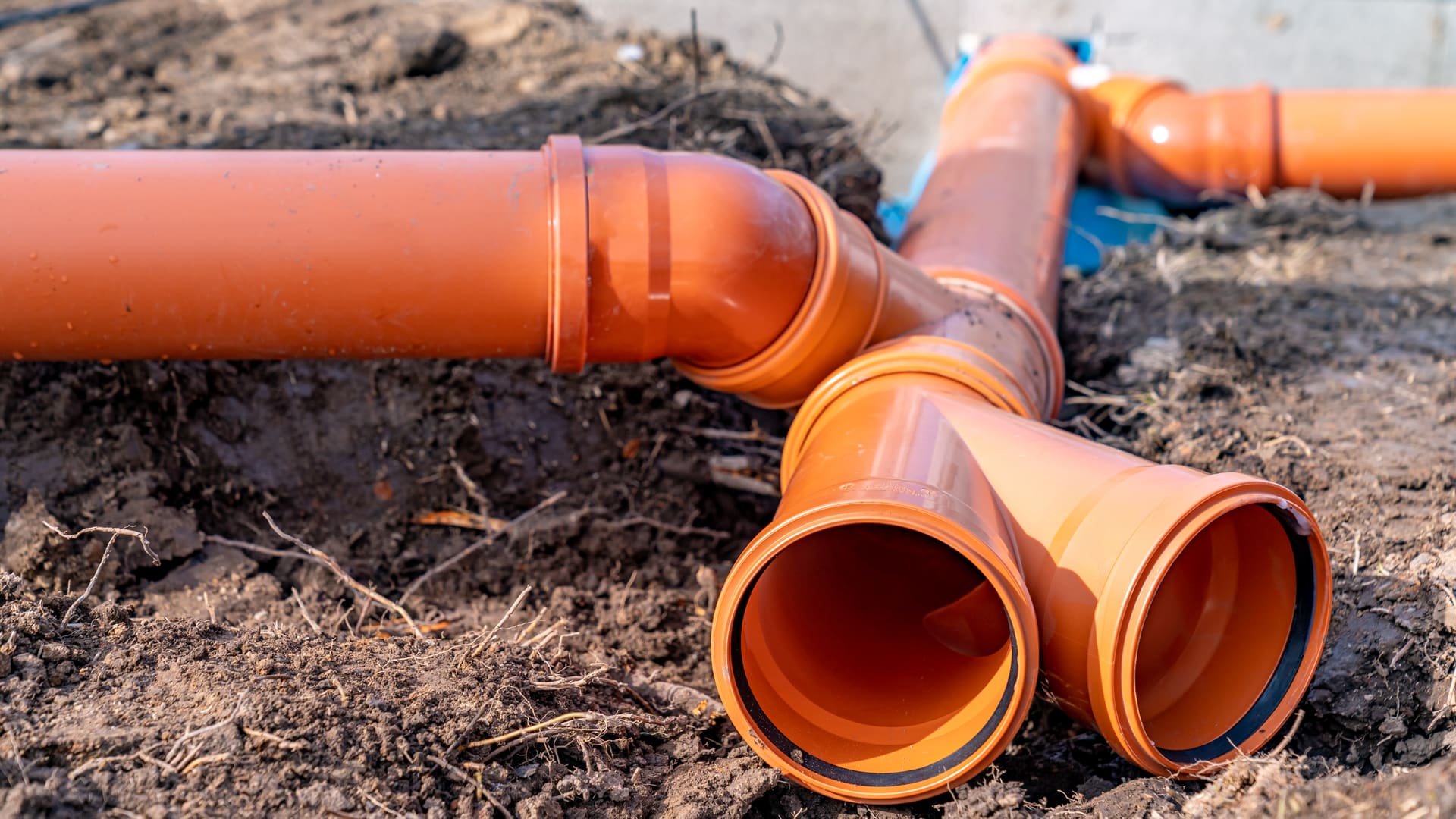
What to do once you know whose drain it is
Before you ring anyone, gather what they will ask for. It shortens the call and stops you being passed from one office to another.
- Photos of the inspection chamber with the cover off, and of any water or sewage outside.
- When it started, whether it is getting worse, and whether rain changes it.
- Whether neighbours have the same flooding or drainage problem.
- Which fittings are affected and which still drain.
- Your address and, for a road gully, the house number or a landmark beside it.
If the fault belongs to the sewerage company or the council, report it and write down the reference number. If nothing happens, chase it using that reference, and if the reply still does not settle it, use the organisation's formal complaints process. Tenants should go to the landlord or letting agent first, in writing, because drain repairs are normally the landlord's duty. Landlords and property managers should keep a record of who reported what and when. Businesses, including hotels and other hospitality premises, follow the same ownership rules, but a blockage can shut a kitchen, so report it the moment it appears.
If the fault is yours, you need someone to find it, clear it and repair it. We carry out drain repairs across the whole area, and that includes repairing drains in Staines-upon-Thames for homes and businesses. David heads a team of local expert drainage engineers, and because they are spread across the area rather than in one depot, one of them can usually be with you the same day.
Common mistakes about drain responsibility
- 'The council deals with all drains.' It deals with road gullies and highway drainage. Sewers belong to the sewerage company, and the drain under your patio is probably yours.
- 'If it is outside my fence, it is not mine.' That holds for shared and lateral pipes, but a septic tank, or a private pipe crossing a field you own, still sits with you.
- 'My insurance will cover it.' Some buildings policies cover accidental damage to drains, and plenty exclude wear or blockages. Read the policy before assuming anything.
- 'A cleared blockage means it is fixed.' A drain that blocks again and again usually has a cause: roots, a dip, a crack or a displaced joint. Clearing it treats the symptom.
- 'Rainwater and waste water go to the same place.' Many homes have separate surface water and foul drains. A downpipe plumbed into the foul side, or a washing machine into the surface side, is a wrong connection and causes pollution.
- 'Waiting costs nothing.' A leaking drain washes soil away from beneath itself. Left alone, a small crack can become a collapse.
What you can do yourself and what needs an engineer
A fair amount is safe to handle on your own:
- Clear a single slow sink or bath with a plunger, or by removing and cleaning the trap.
- Lift a light inspection cover to see whether the chamber is full or empty, without leaning in.
- Keep outside gullies free of leaves, and keep fat, wipes and nappies out of the system altogether.
- Run plenty of hot water after washing up to keep grease moving.
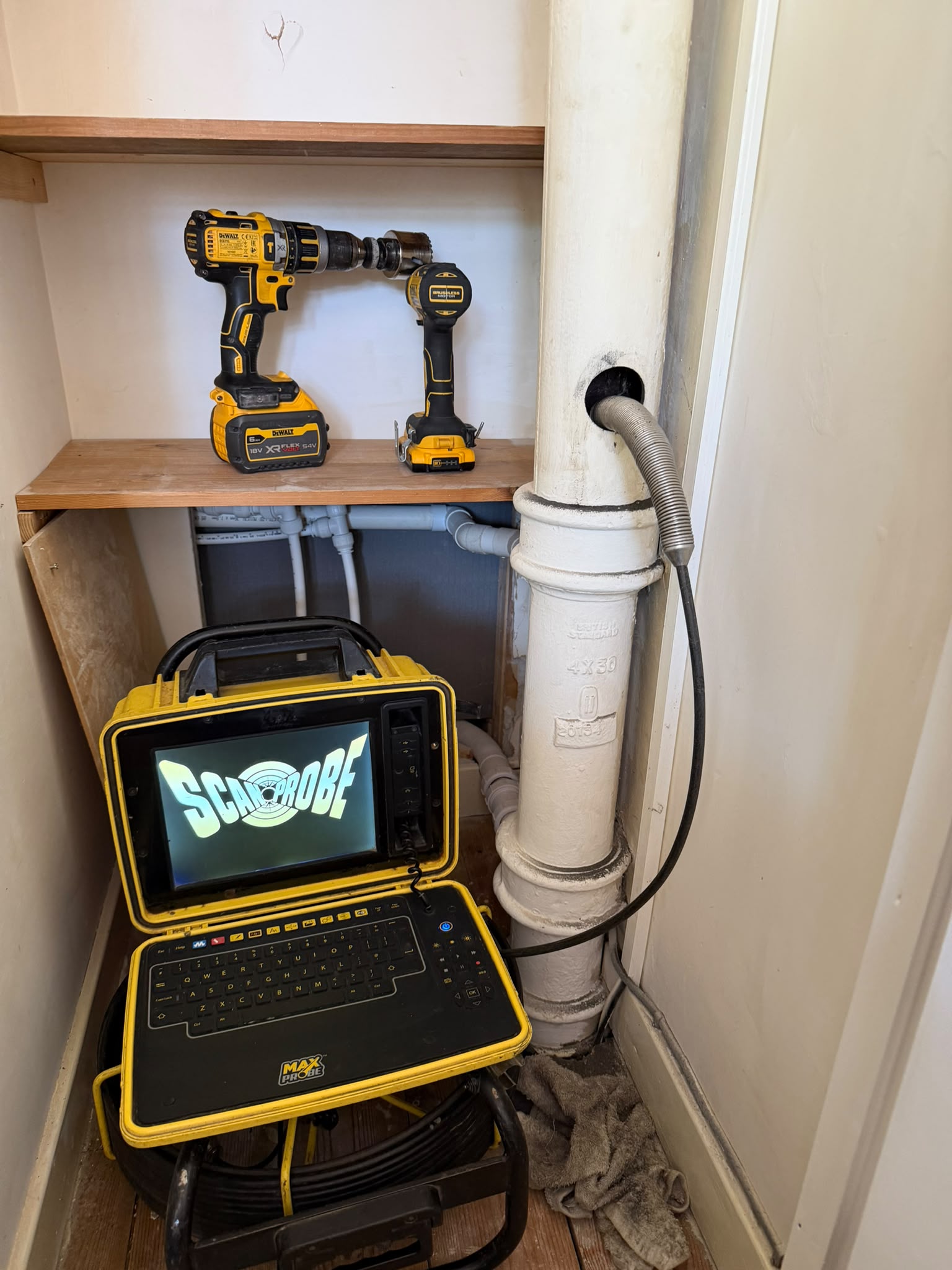
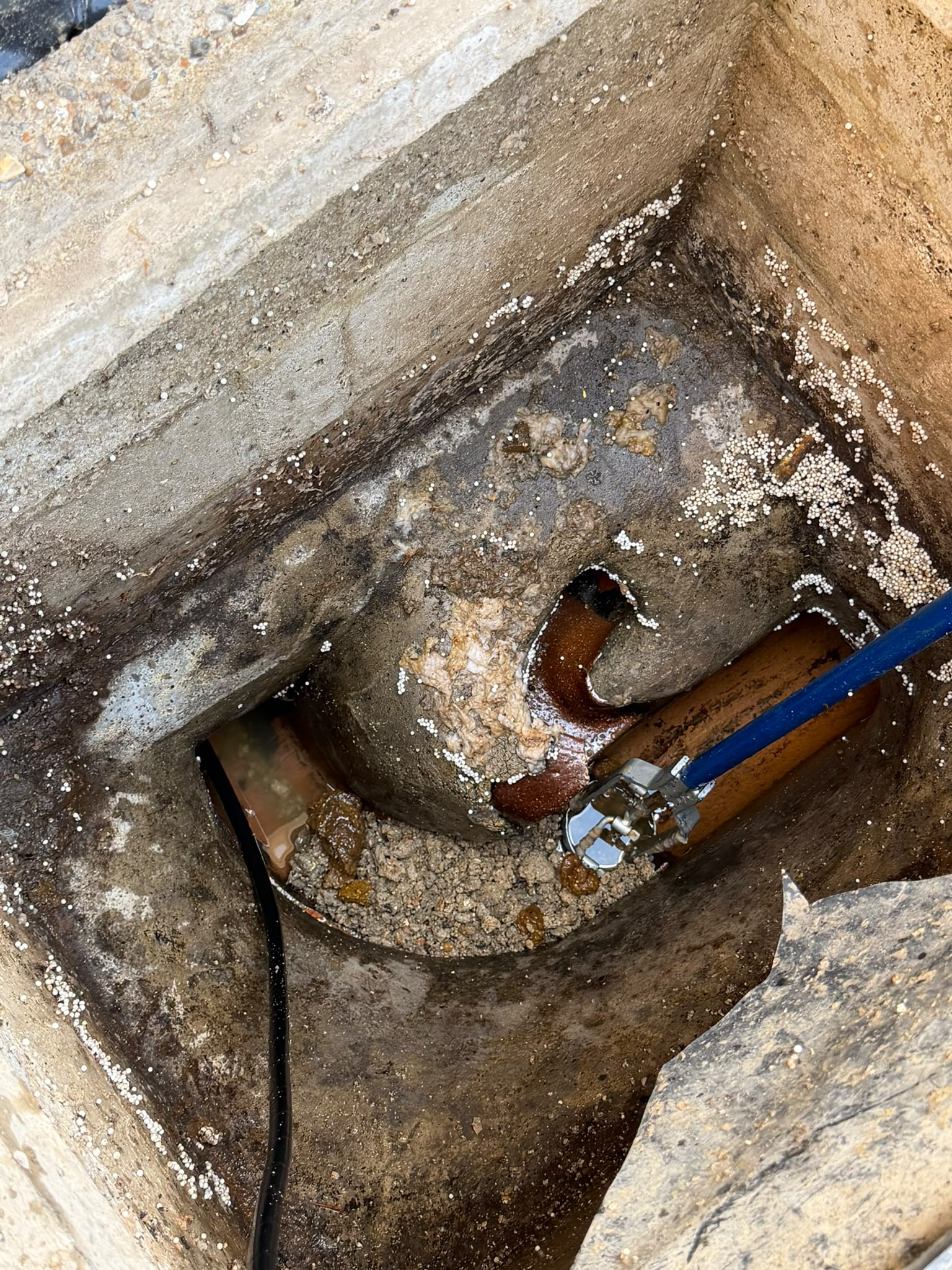
Stop and bring in a drainage engineer when the blockage is in the main drain, when it returns within weeks, when there is a smell or damp with no clear cause, or when you suspect a crack, root ingress or a collapse. Rodding blindly can push a blockage further along or crack an old clay joint. We find the fault with a CCTV drain camera and sonar pipe location to trace exactly where the run goes, so the ground is only opened where the damage is. A proper drain repair means fixing or replacing the damaged section, and our engineers explain what the camera shows before any work starts, with a clear written quote and no surprises.
If the fault sits on your side of the boundary, contact Heating Services Ltd and a local drainage engineer will find it by camera and put it right.